A few days ride to a Zen retreat

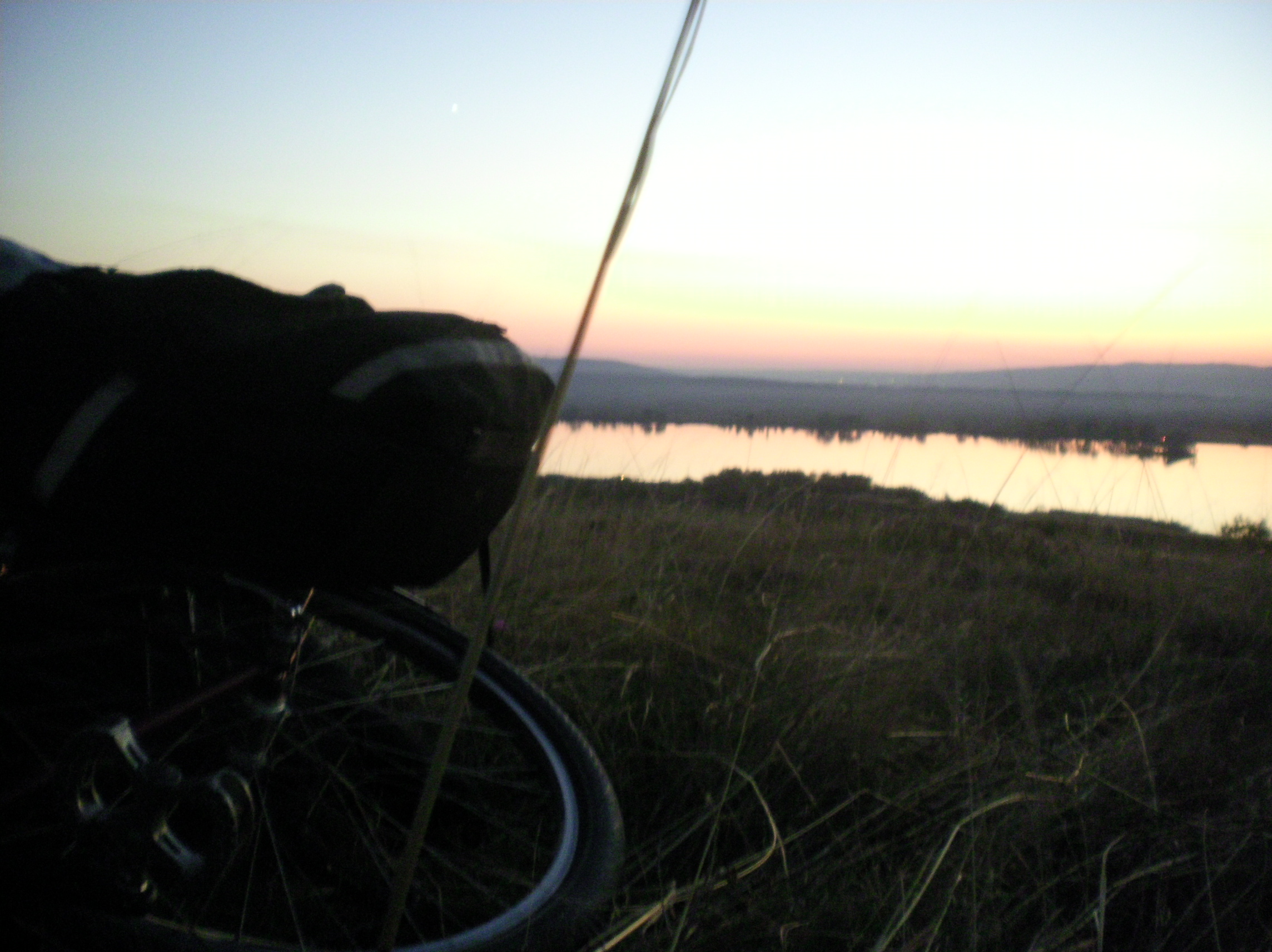
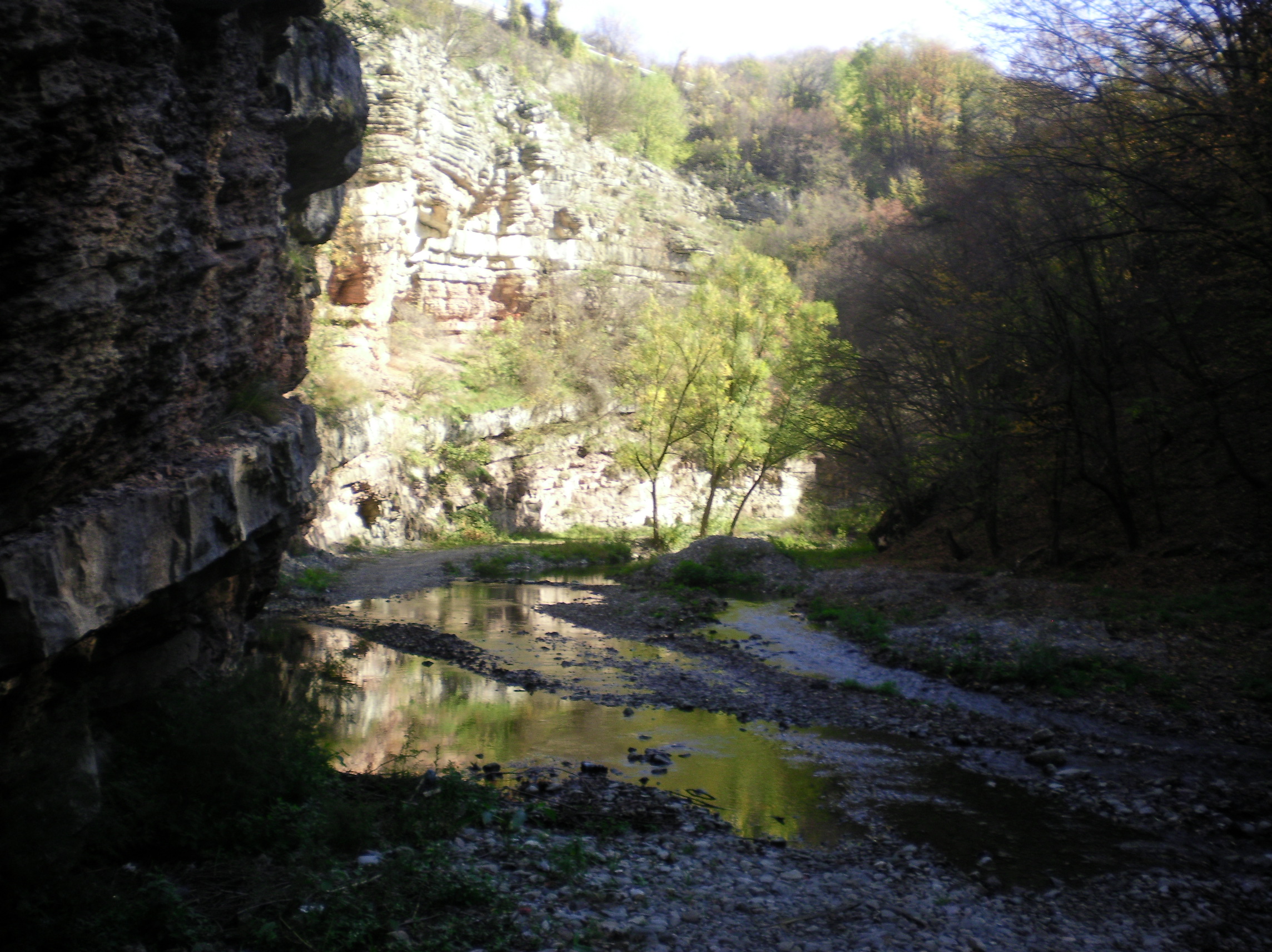
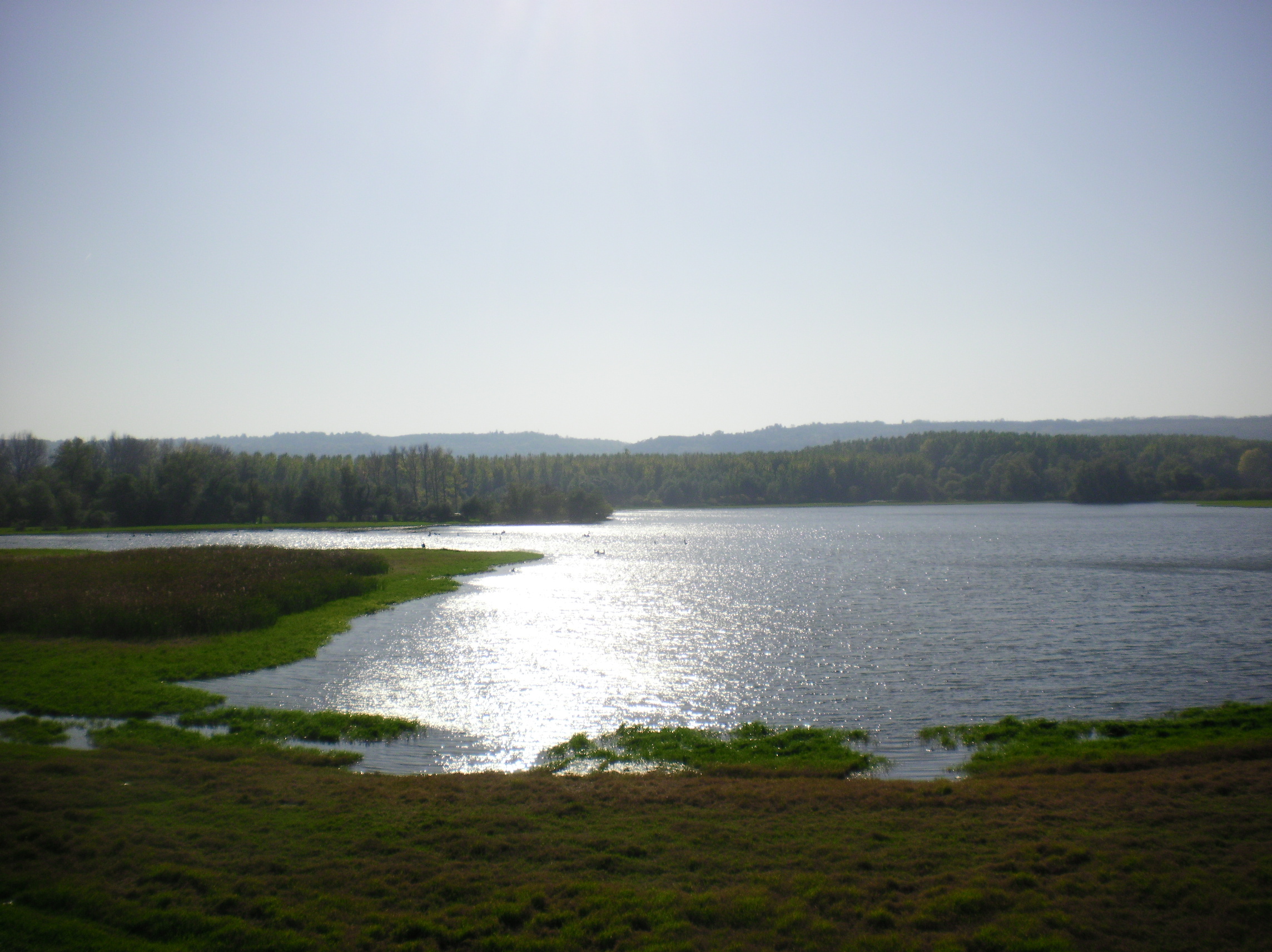
Camping near Kutina lake

Camping near Kutina lake

The last two days have been pretty exhausting. Leaving Dakovo I realized that there were several small mountains to cross, and tomorrow is supposed to be the worst! I am staying in a small village turned city and must sleep soon to prepare for the 5 am start. I can’t stand cycling in the fall/winter, there are too few daylight hours to get where you want to go.

A wheel barrel of corn for pigs

A wheel barrel of corn for pigs

Today while riding through a village I stopped to take a few pictures of a moss covered barn and befriended a few locals. They invited me to lunch and coffee and instead of declining (due to the amount of riding I had to do) I accepted. The lunch was short and afterwards a man who answered to Robert gave me close to 30 euros.


Unknown sponsors in the small village of Osekovo

Unknown sponsors in the small village of Osekovo

Finishing a beer now in a Café called “Bambi”. Word has it that there is some great camping spot on the outskirts of town near an abandoned factory, hmm will have to see. Any how my panniers are packed with zucchini and garlic for the evening meal. Will write again after the retreat next weekend.

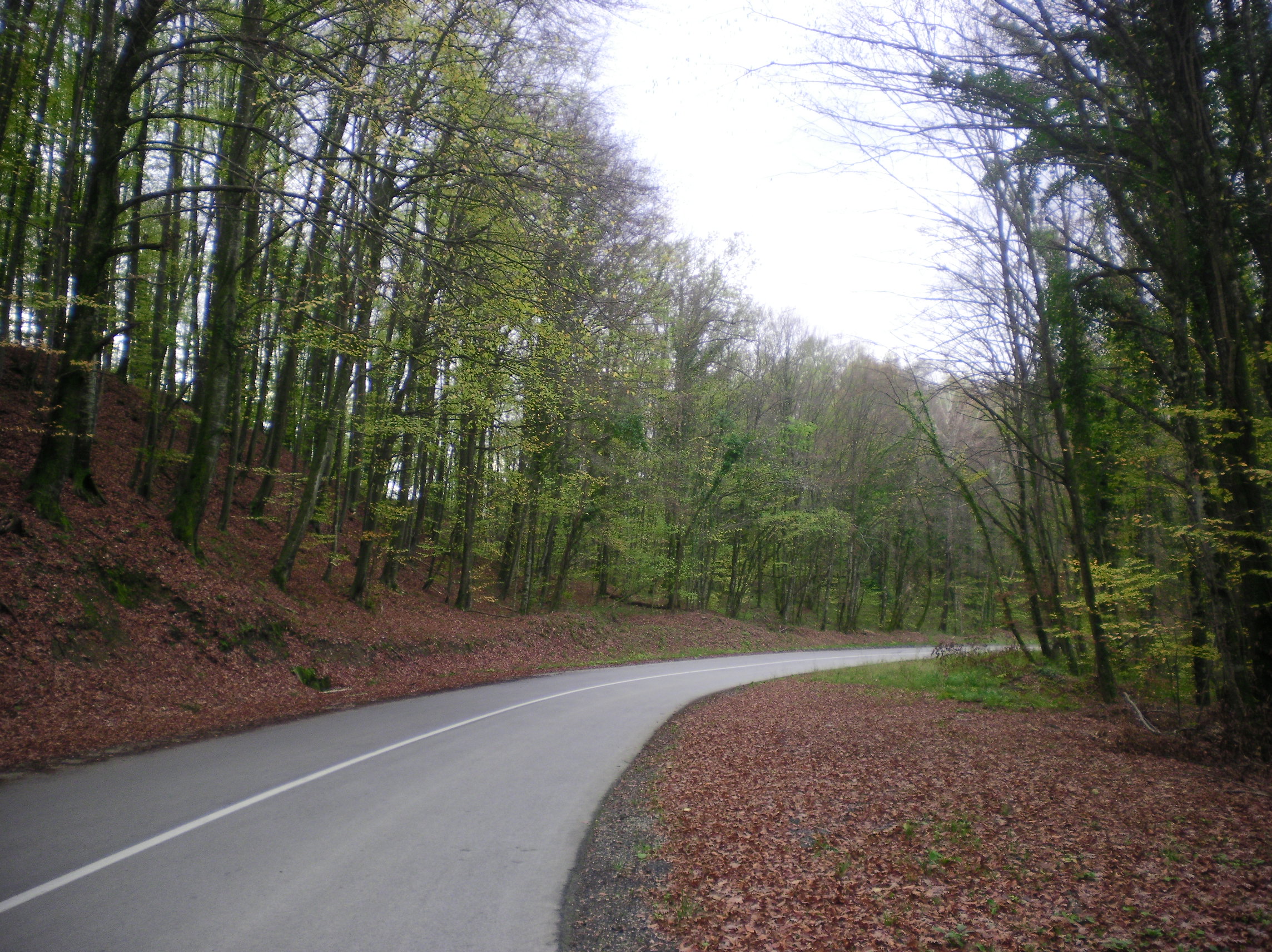
Steep but beautiful mountain roads

Steep but beautiful mountain roads

European Union, Catholicism and the Triple Gem

Wooden tiles line the floor of this Catholic monastery

Wooden tiles line the floor of this Croatian Catholic monastery

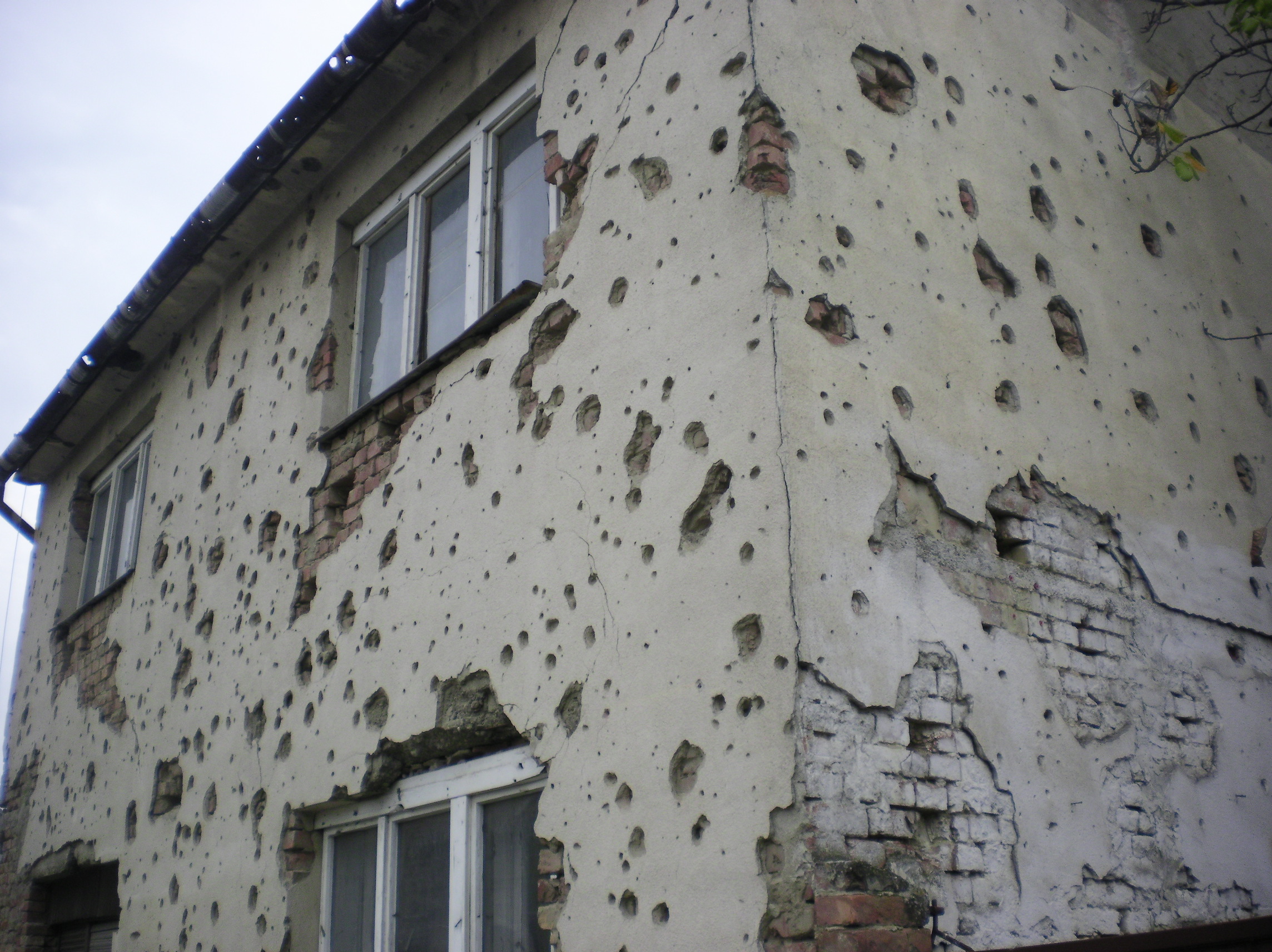
Many of the houses in the city of Vukowar, Croatia are left as a reminder of the Serbian-Croatian war.

Many of the houses in the city of Vukowar, Croatia are left as a reminder of the war.

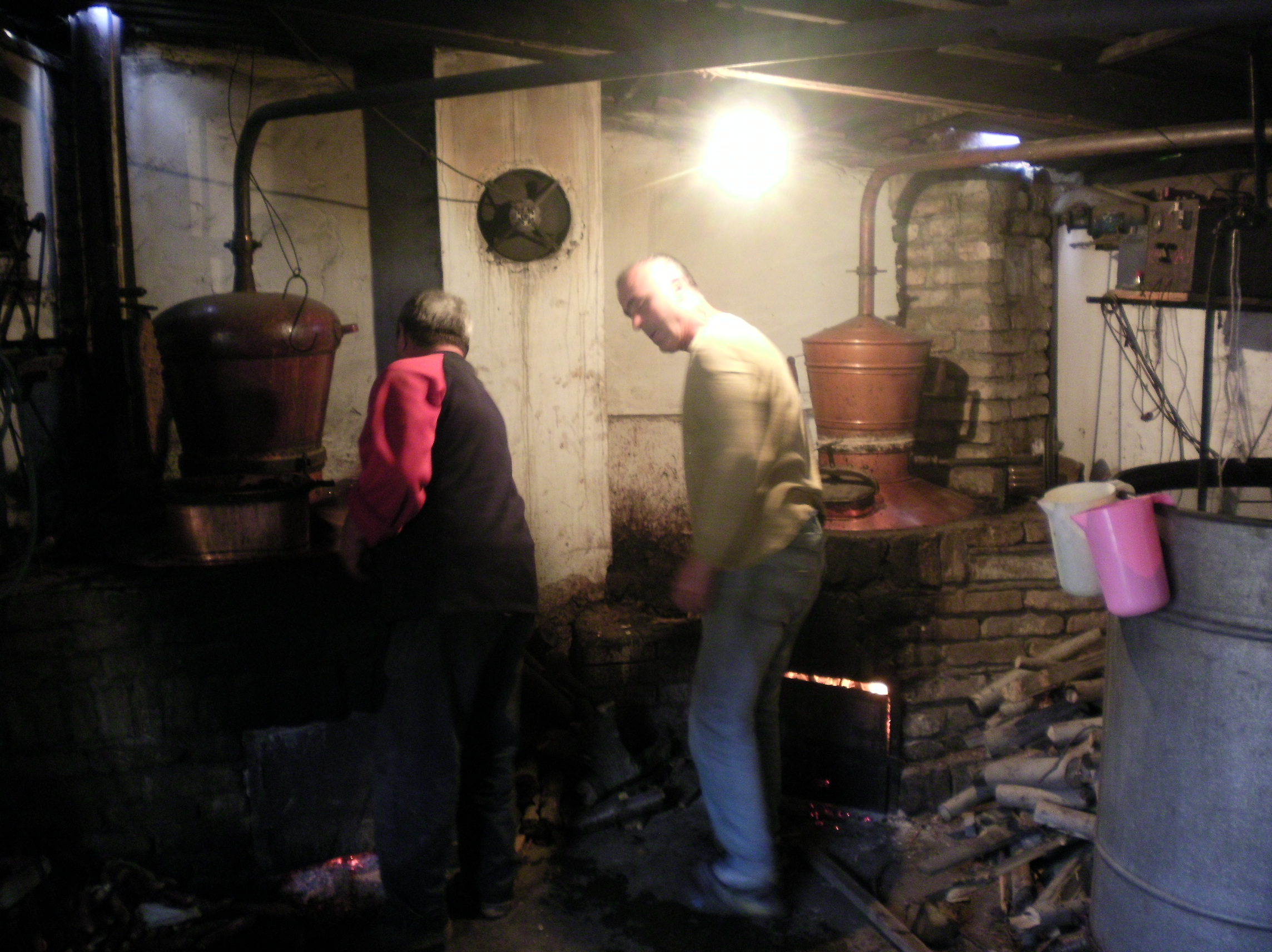
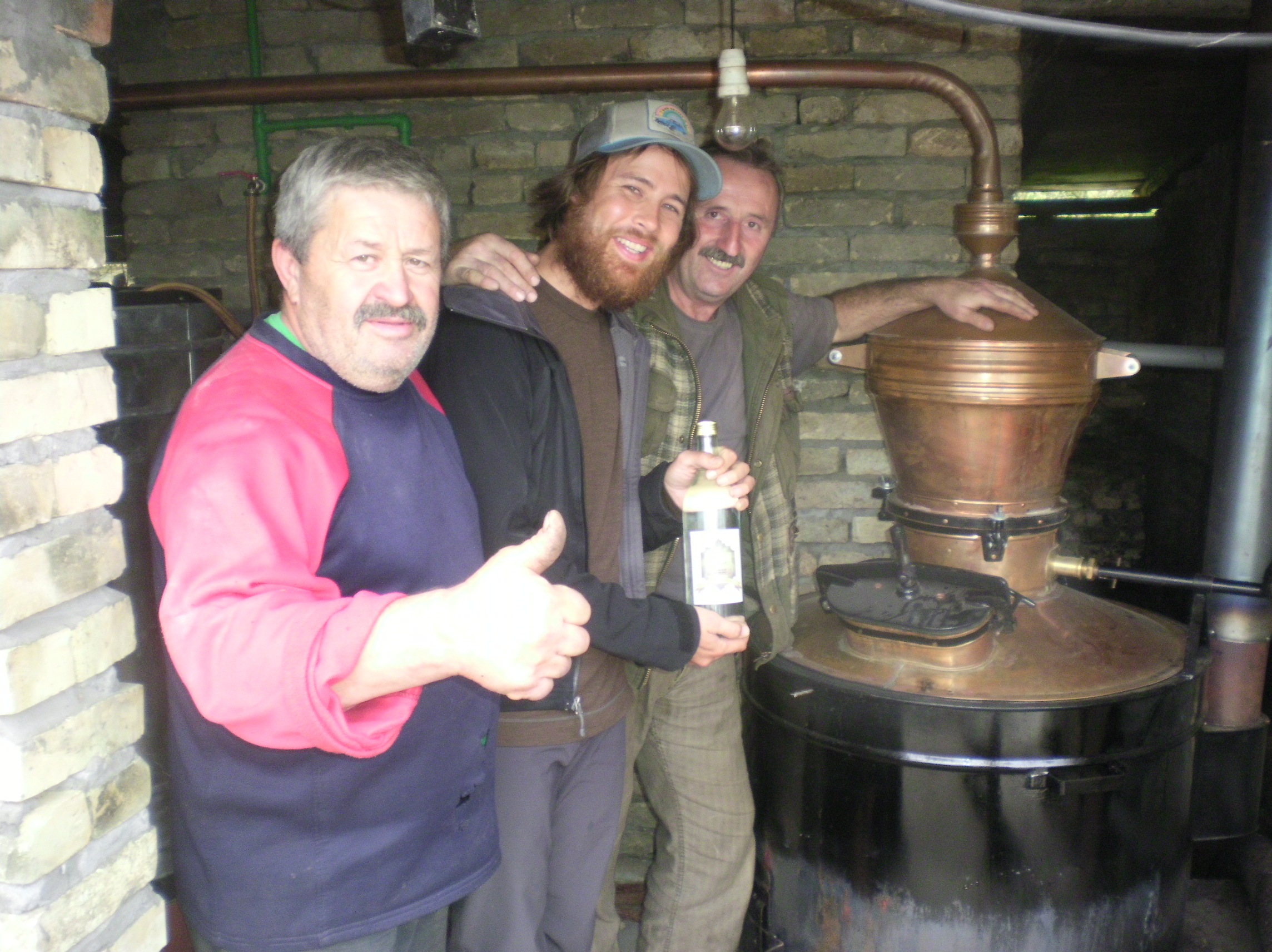
My two days in Zabalj were very entertaining! After learning about my fascination with Rakija, my hosts organized a trip to the local “Pecara” (Rakia distillery). Since his car was at the repair shop, Gasha, my host, saddled up his horse and together with his family, we rode around town and to the distillery.

SANYO DIGITAL CAMERA

Man of all trades with a really good heart, my host in Zabalj Gasha

Traveling by horse buggy is nothing uncommon for the people in Zabalj, and many cars passed us on the small local roads. The distillery was located on outskirts of town on a large parcel of land covered with plum trees. The owner, his wife and son greeted us and invited us into the back. There in an open stone structure, surrounded by barrels full of Rakia and crates of apples was the distillery.

SANYO DIGITAL CAMERA

The first step to making good Rakia is to get the best apples or fruit available. Meaning grow your own! On location were acres of fruit trees. Once the fruit ripe it is then blended, and mixed with sugar and filtered water in a large barrel. The mixture sits in the barrel for up to ten days (depending on the fruit) and awaits distillation.

Blended apples awaiting distillation

Blended apples awaiting distillation

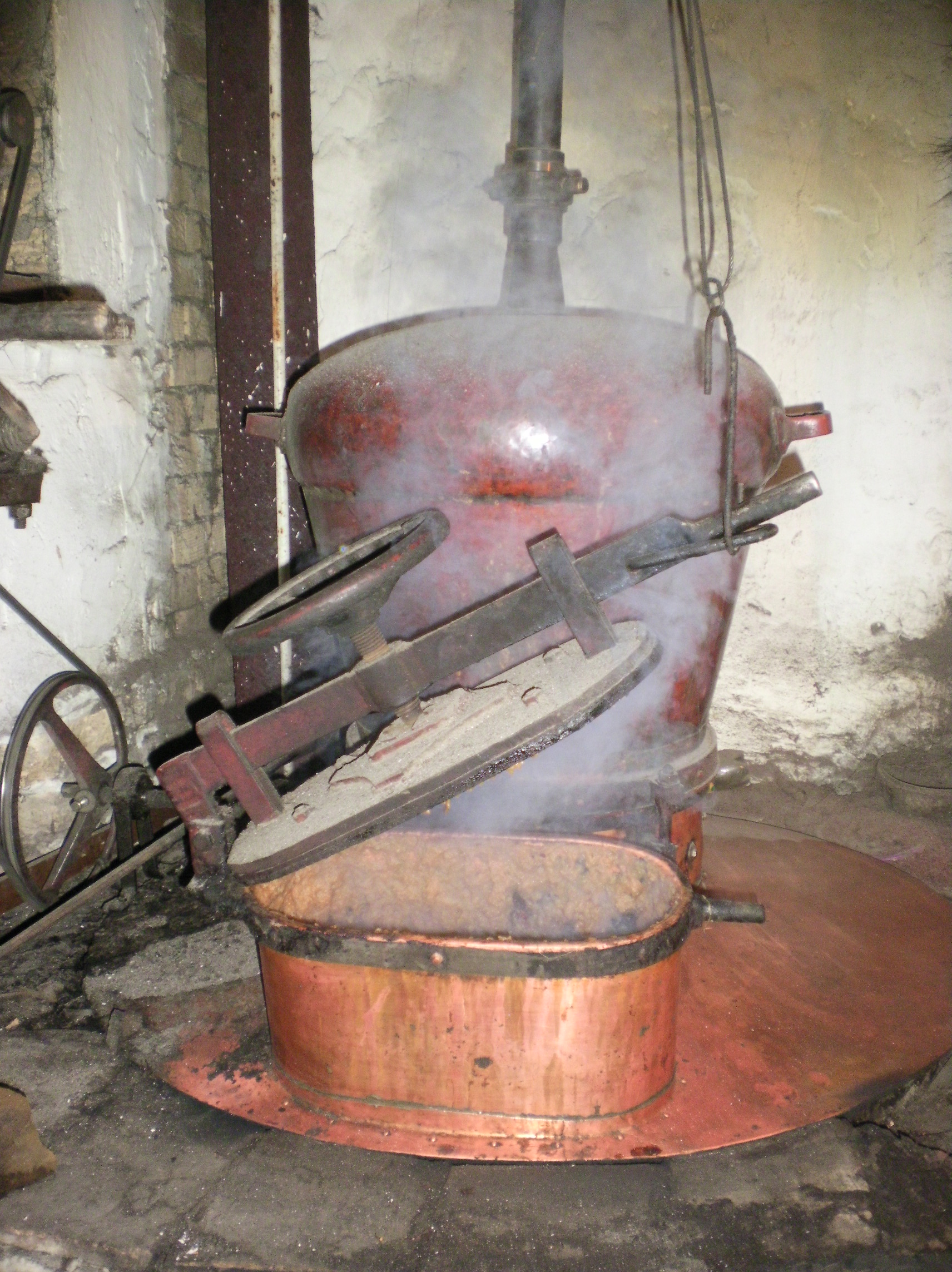
The mixture is then placed in the first still and distilled at a low temperature. The distillate cannot be consumed and must be distilled another 1-2 times, (depending on alcohol concentration desired) before being consumption.

One of the three distills cranking out Rakija

The first step of distillation, the blended fruit is poured into this large copper still

According to the owner, the first distillate contains lots of metals and is too hazardous to drink,  (a few years back several people died from drinking poorly distilled rakija!). The second distillate, is very sweet and similar to a Sherry. The third and final distillation is the true Rakija.

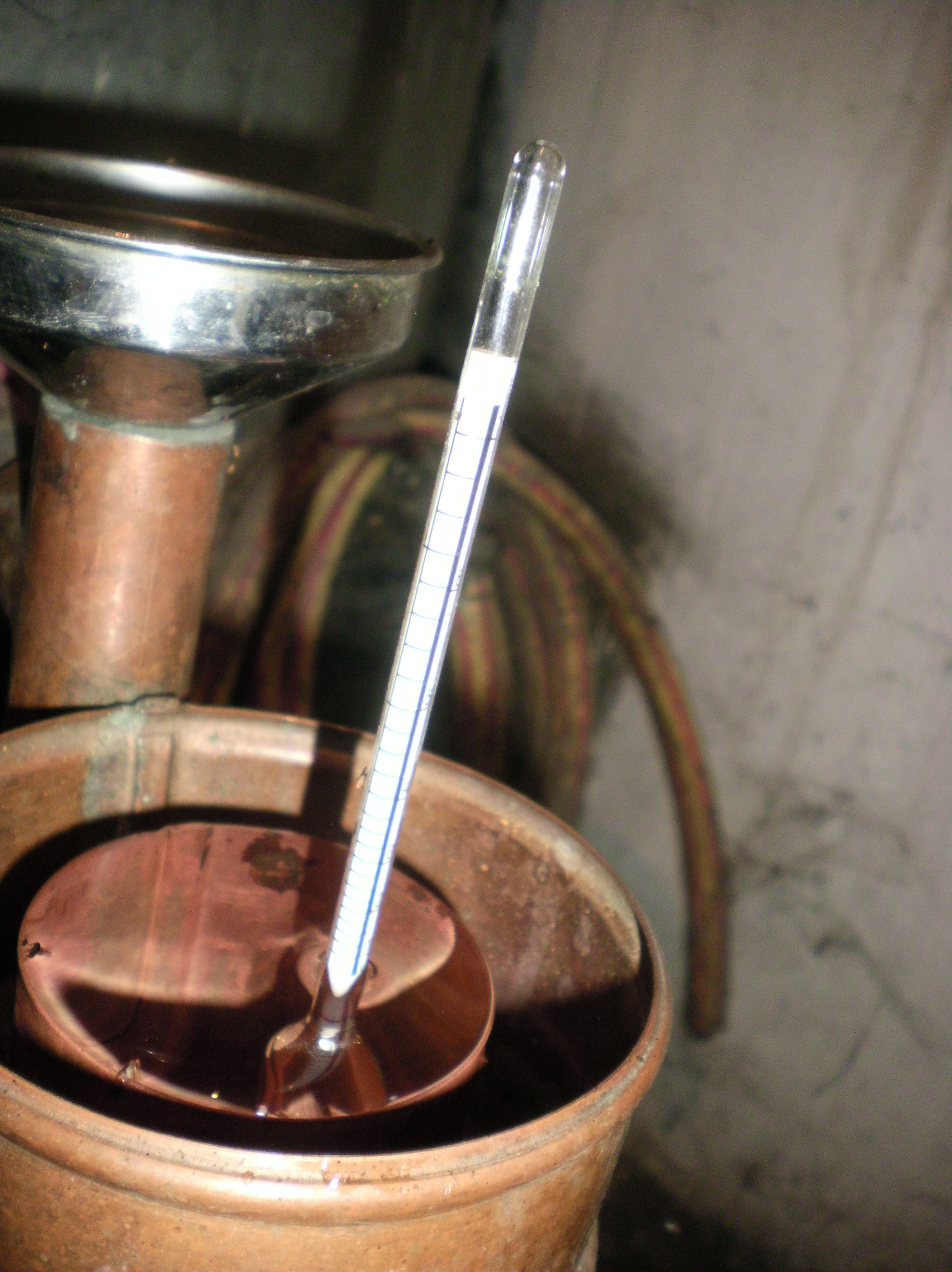
The amount of free sugar and temperature are constantly measured

The amount of free sugar and temperature are constantly measured

Personally, during the afternoon hours, I prefer the second distillate, but to save face I drank a few shots of the final distillate with the employees. The owner was extremely kind and gave me a bottle from his special collection after the tour! RAKIjA!!

SANYO DIGITAL CAMERA

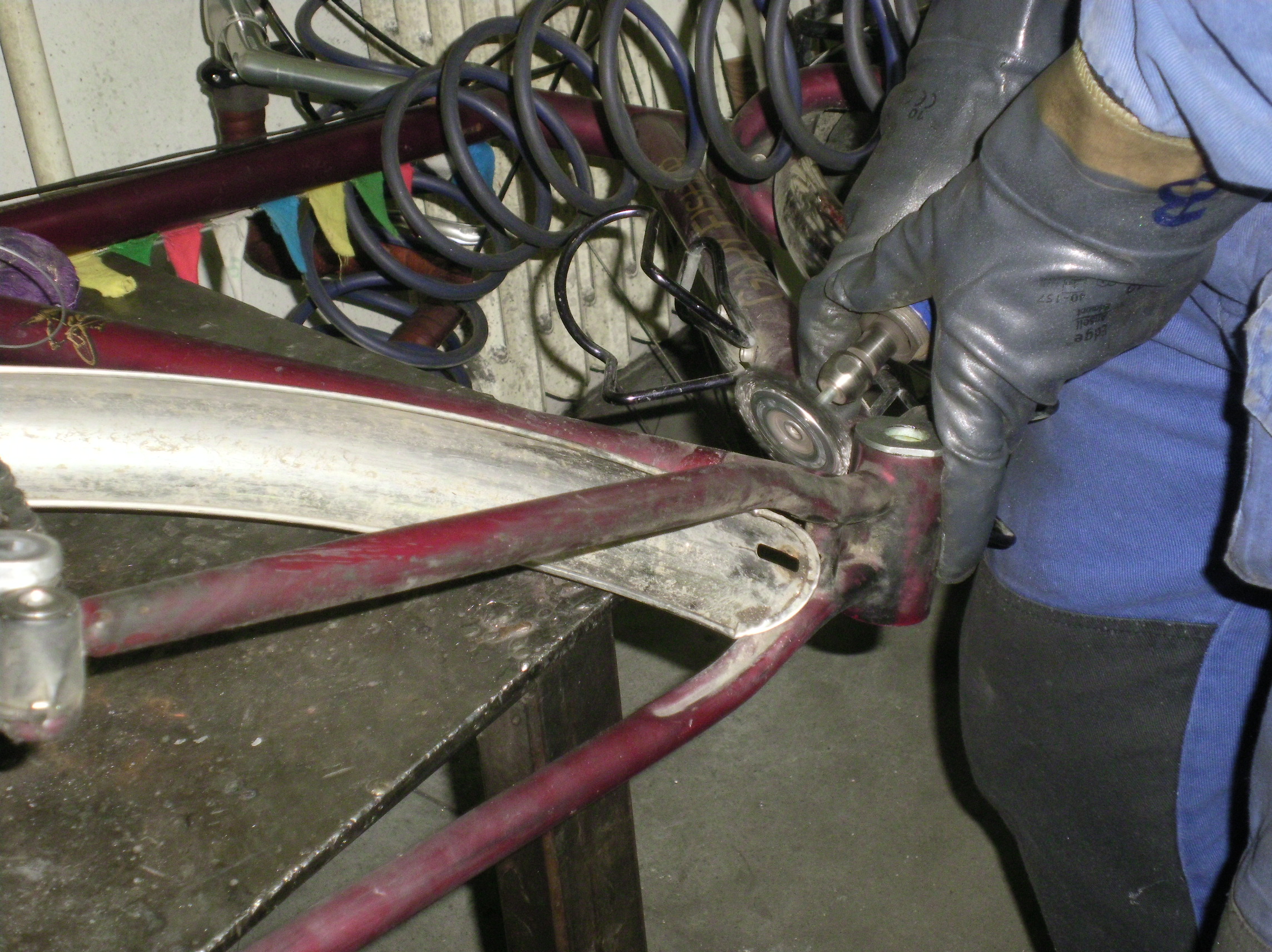
The next day, while packing Gaby for the road, I discovered a large crack where the seat tube connects to the bottom bracket. A bit worried about the safety and strength of the frame, I decided to ride to the city of Novi Sad to find a welder.

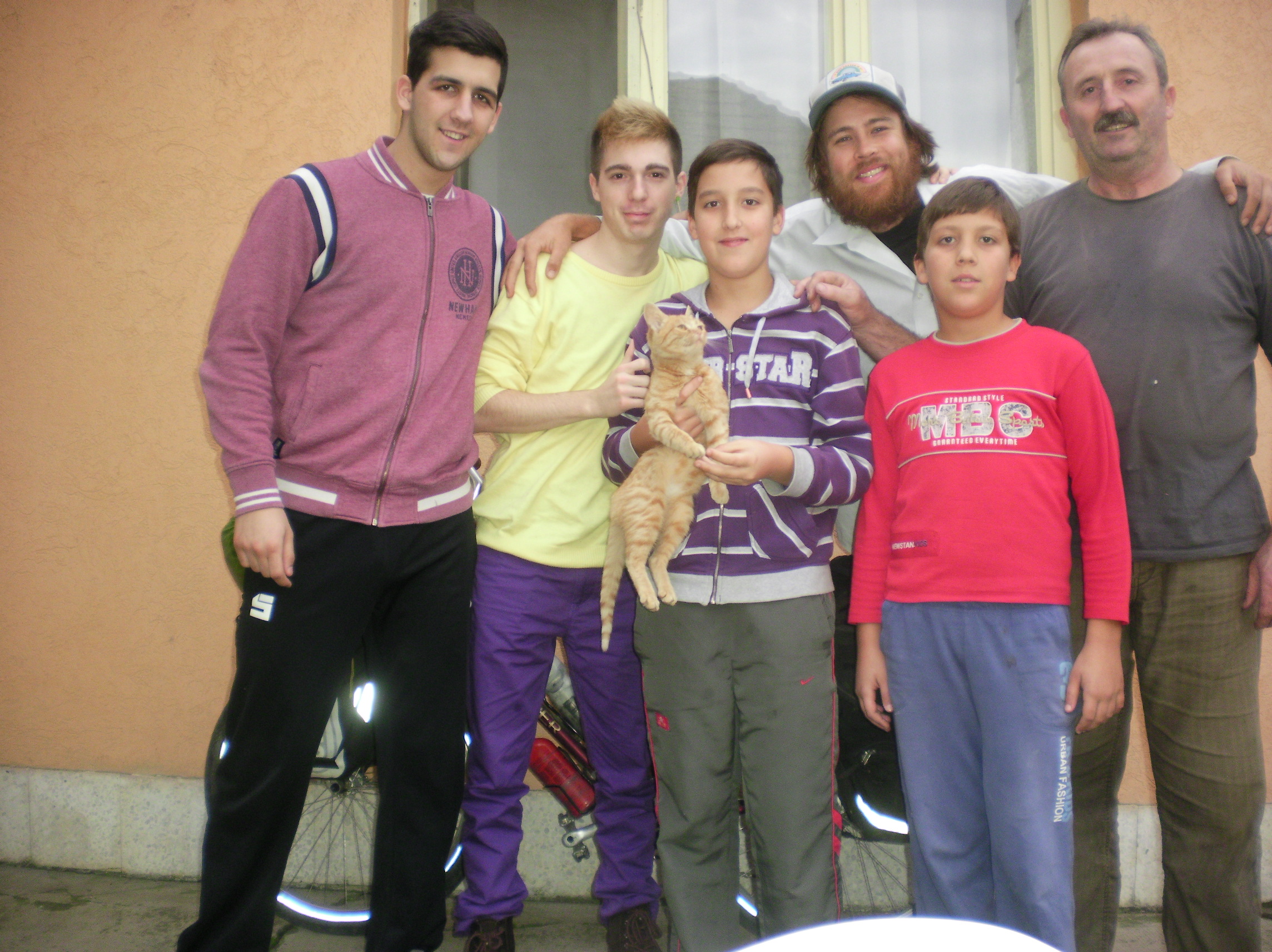
My friends and Marko the kitten in Zabalj, Serbia

My friends and Marko the kitten in Zabalj, Serbia

The Novi Sad has a “hip” bicycle repair café called “Cultural Exchange-Bike Kitchen” run by some expats and a few locals. However nobody working there knew anything about bikes! And worse where I could find a welder. Unlike the bike kitchen aspect the Cultural Exchange was in full swing!  From all corners of the café I could hear stuff like “when I was in Bangladesh” or “the political system in south east Russia is so corrupt”…. Few minutes later I struck up a conversation with a local named Nikola. We talked for a little while and then I told him my problems with Gaby and that I was trying to get to Croatia for a meditation retreat. It turned out that Nikola was also a Buddhist, who practiced the Thai forest tradition, (the same tradition that my father practiced before coming to America). He was very well read in the Buddhist lineage and planned to visit Metta forest monastery, (which is about 60 km from my home town), when he came to California. He also knew of a place where I could get my bike welded. Afer chatting for a while he invited me to stay at his apartment with him.  Later that evening while meditated, I recited the Pali Triple Gem, (a Thai Buddhist Chant that my father taught me when I was a boy) and to my surprise Nikola chanted along with me!  I slept comfortably and the next day we cycled around town to find the welder.

Paint in removed, and frame is prepped for welding

Paint in removed, and frame is prepped for welding

Gaby under the knife

Gaby under the knife

Gaby is fixed for the next few thousand km, but will never make it to China

You can see from the weld the extent of the damage. Gaby is fixed for the next few thousand km, but will never make it to China 😦

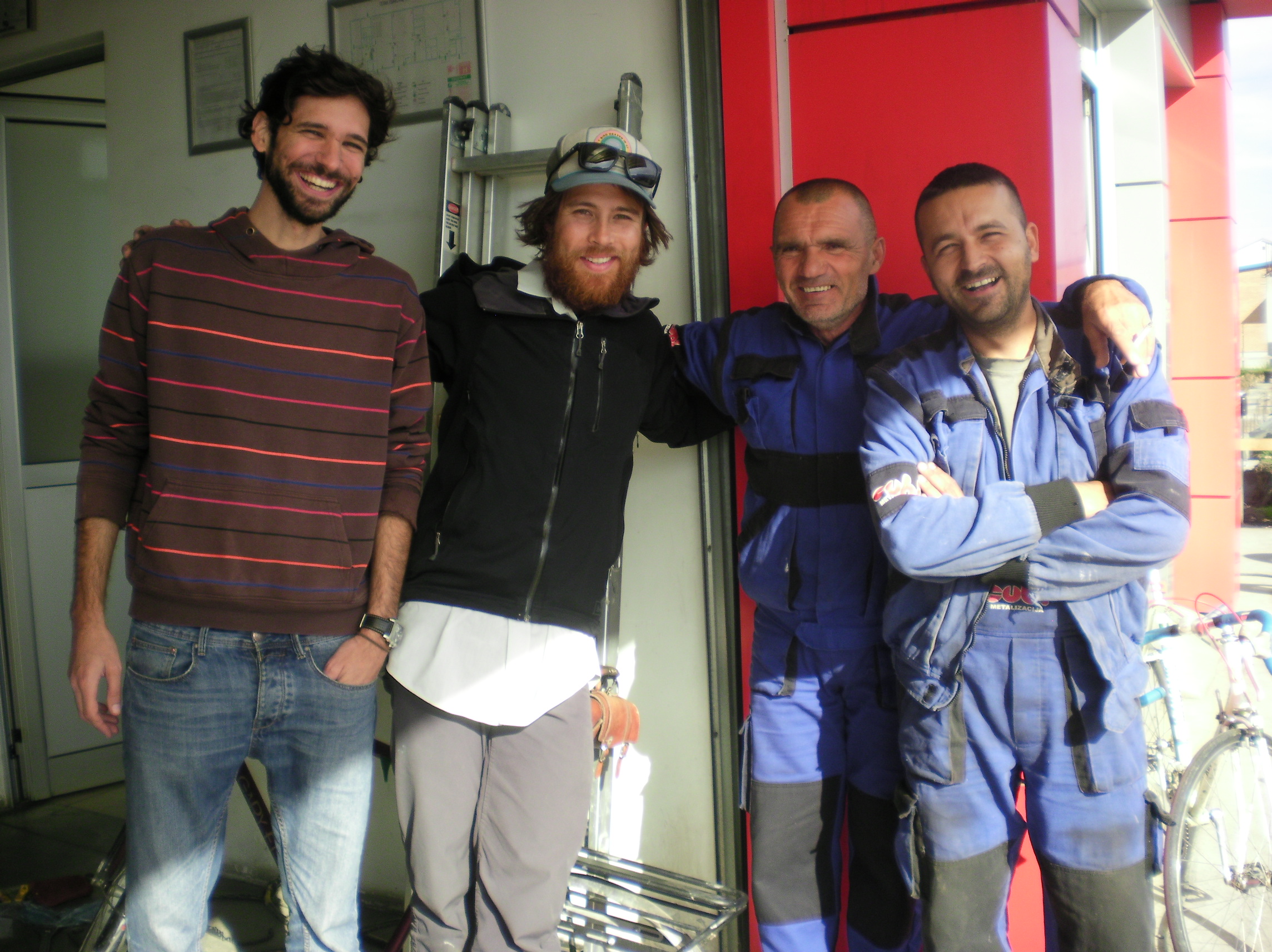
Upon hearing about my journey to Southern China, the welders fixed my bike free of charge and said ‘Mi Srbi nemamo mnogo sem da budemo darežljivi” – meaning ‘ We Serbs don’t have much but to be generous’. The damage was more profound then expected, and it looks like Gaby will not make it to China!!!!

Nikola and the welders

My Buddhist friend Nikola and the welders

I said goodbye to Nikola and cycled the road to Croatia. Unlike Serbia and Romania, Croatia is part of the European union. Meaning that the country has significantly lower debt and can qualify for extensive loans from the rest of the Union. These differences become apparent immediately after crossing the border. Fancy cars, remodeled houses, and children walking to school in name brand clothes. The symbol of the west is here, and its also reflected in the prices (Almost everything I have purchased in Croatia is twice as expensive as Serbia).

About 20 km after the border, I cycled through the city of Vukovar, which suffered extensive damage during the Serb-Croat war. Many houses and buildings still had bullet holes and outside of the city was a large memorial cemetery.

A catholic church destroyed in the war

A catholic church destroyed in the war

I am currently in a bit of a time crunch. In order to arrive at the monastery in western Croatia by 4pm on Saturday I need to ride 400 km in the next three days. Currently my plan is to wake up at 5 am tomorrow and ride 180 km, then 120km on Friday followed by 100km on Saturday. Hopefully arriving at the monastery just in time for the evening mediation.

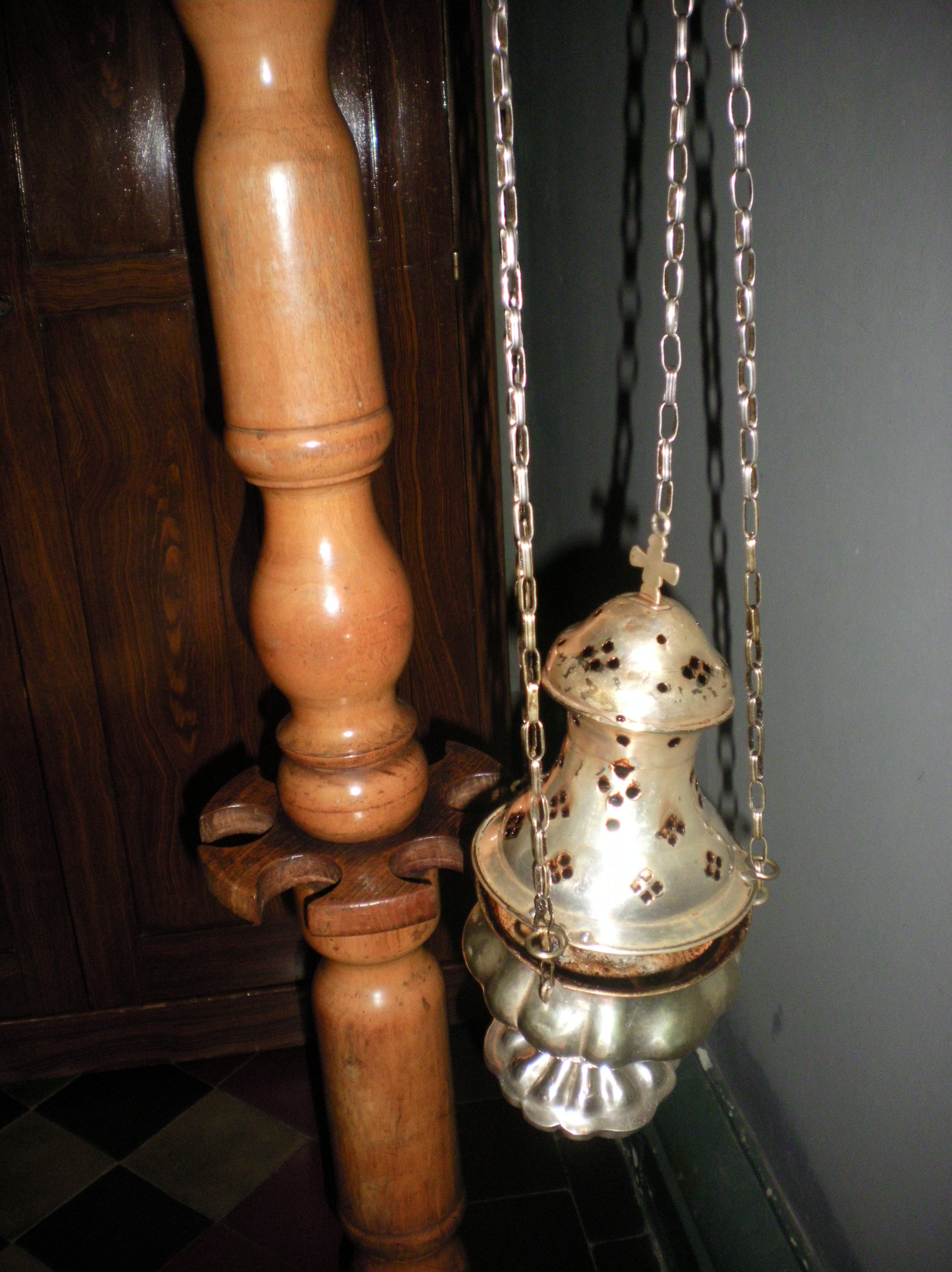
Catholic incenser

Catholic incenser

The retreat is a traditional 7 day Chan Zen retreat. Each day will begin at 5 am, and will be spent in formal and informal meditation practice. Rules of silence (no talking and no communication, e-mail and phone included) will also be observed. I will try to get around to writing again before the retreat begins but due to my the crunch it may not happen. Either way all is well here and I wish you all the same!

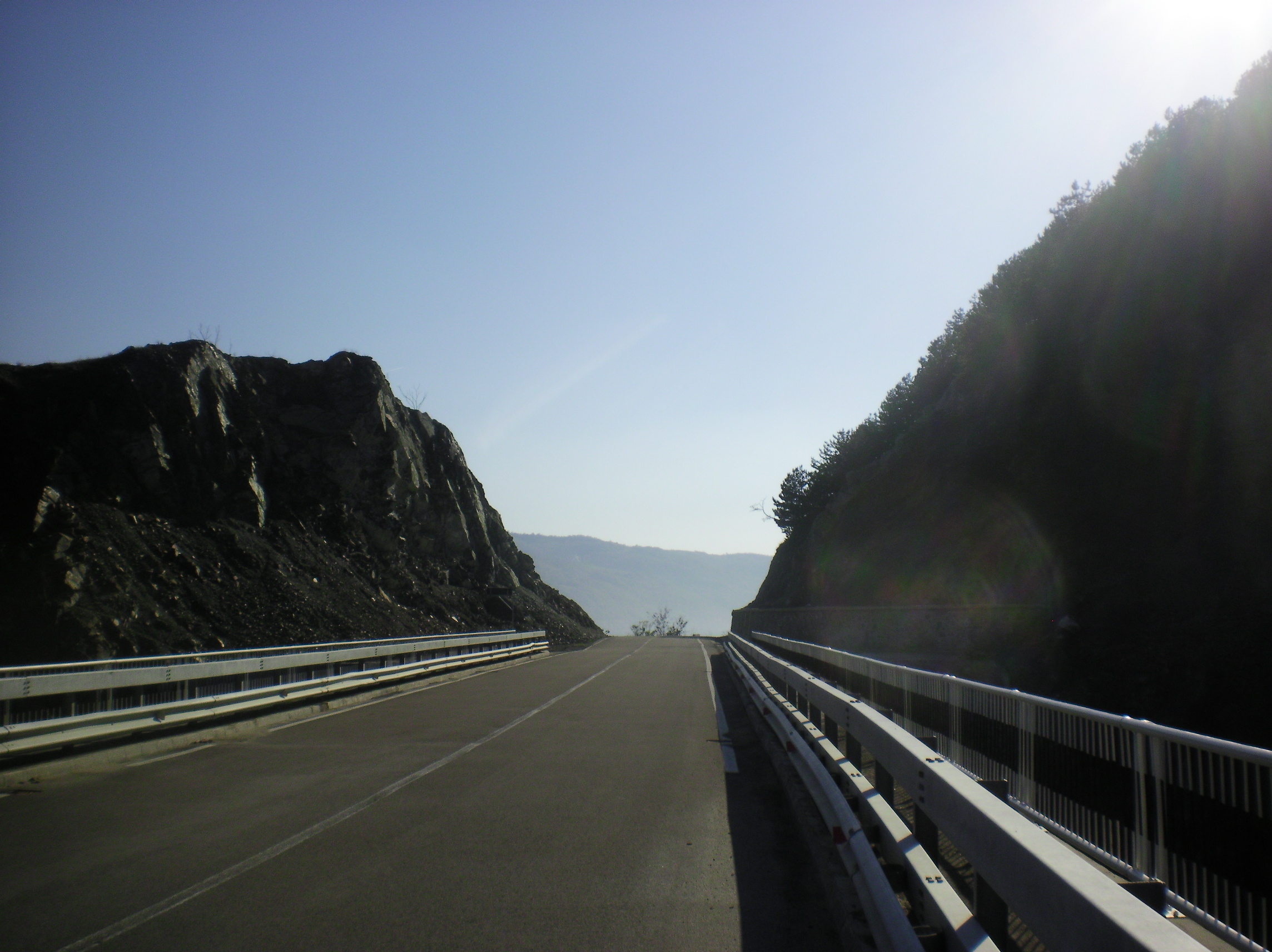
The road to Croatia

The road to Croatia

A collection of Serbian recipes


Complementary lunch at a guest house on the Danube

Complementary lunch at a guest house on the Danube

Sunset on the Romanian Riverside

Sunset on the Romanian Riverside

The northern, Romanian side of the Danube was far more interesting than the Serbian side. Other than the wild, ruthless packs of dogs waiting around every corner my trip back to Serbia was perfect.

SANYO DIGITAL CAMERA

The road was is in very poor condition which kept traffic and commercial transport to a minimum, And rather than riding through a thick forests, the Romanian road was built directly on the rocky shores of river, and passed through several small villages. Locals fished and basked in the afternoon sun, and I pedaled west constantly in fear of being confronted by wild dogs. Most encounters resulted in a chase and on several occasions the dogs would grab hold of my panniers with their teeth and try to shake me from my bike,(Kevlar panniers anyone?). Completely defenseless, my only hope was to pedal as fast as possible, and wait until they give up their prey. Few dogs could keep up with me for more than a few meters but every once in a while a fast dog would bite at my feet and chase me far down the road.

Wild camping on the Serbian border

Wild camping on the Serbian/Romanian border

SANYO DIGITAL CAMERA

Crossing the mountains on the border

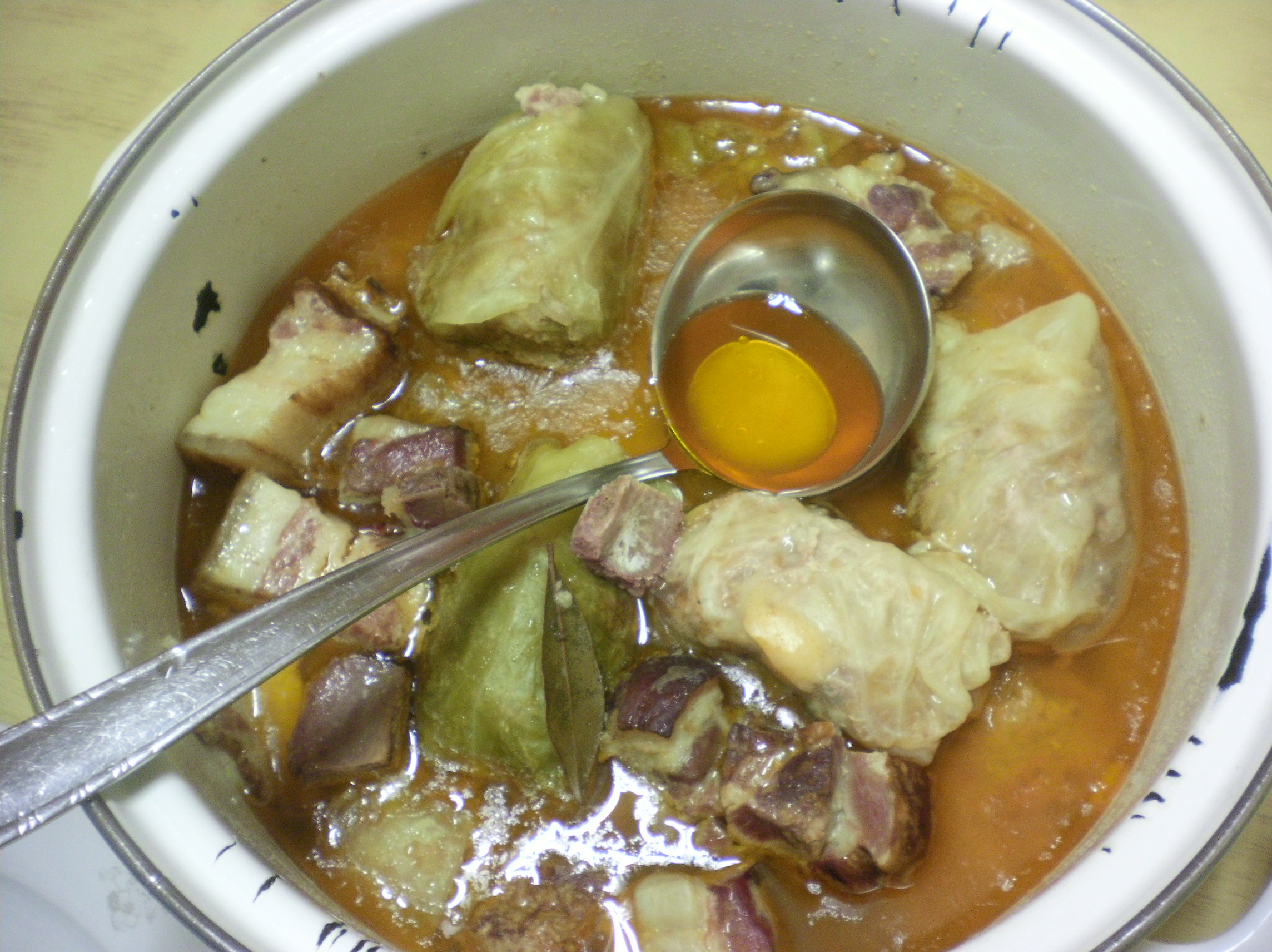
From Romania I cycled back across the Serbian border to the city of Kovin, where I re-visited my friends from the fishing village of Dubavac. The night of my arrival, my host Dragan, prepared Sarma (mixed meat rolled in fermented cabbage) and we spent the evening sipping from his Serbian Rakia collection. Rakia is most commonly made from plum, but while at Dragan’s I tried Rakia made from Dunia, Apple, and Mulberry.

Sarma

Sarma

How to roll a Sarma

How to roll Sarma

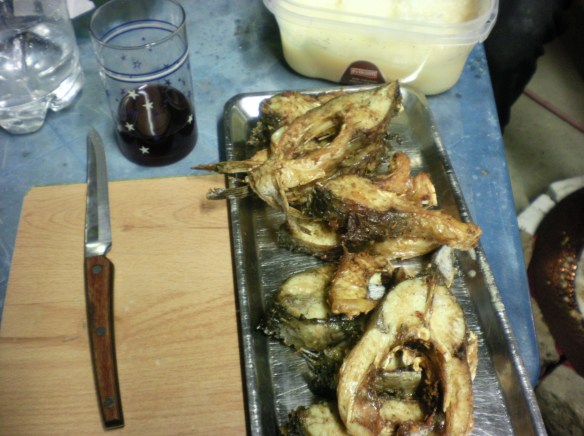
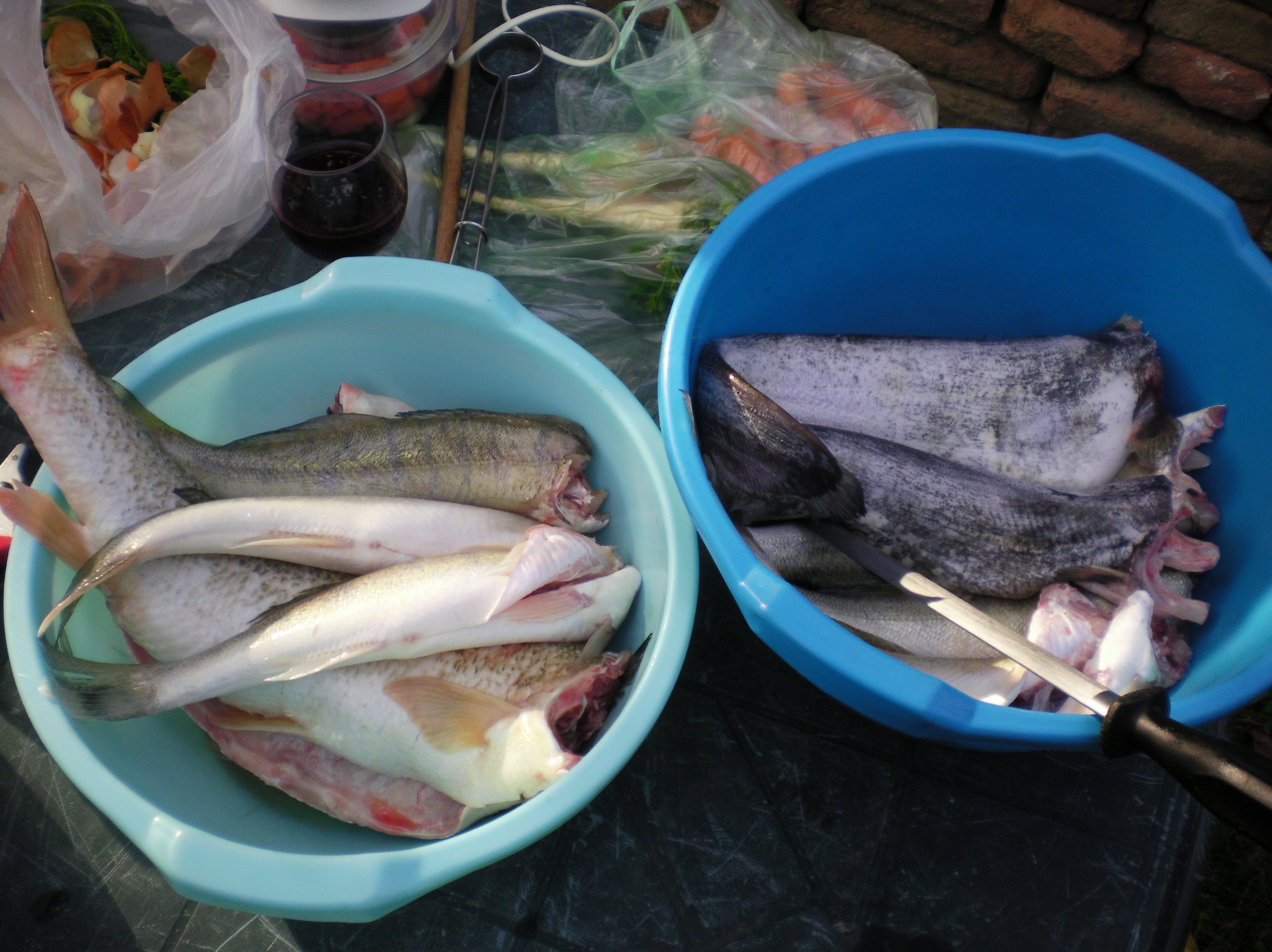
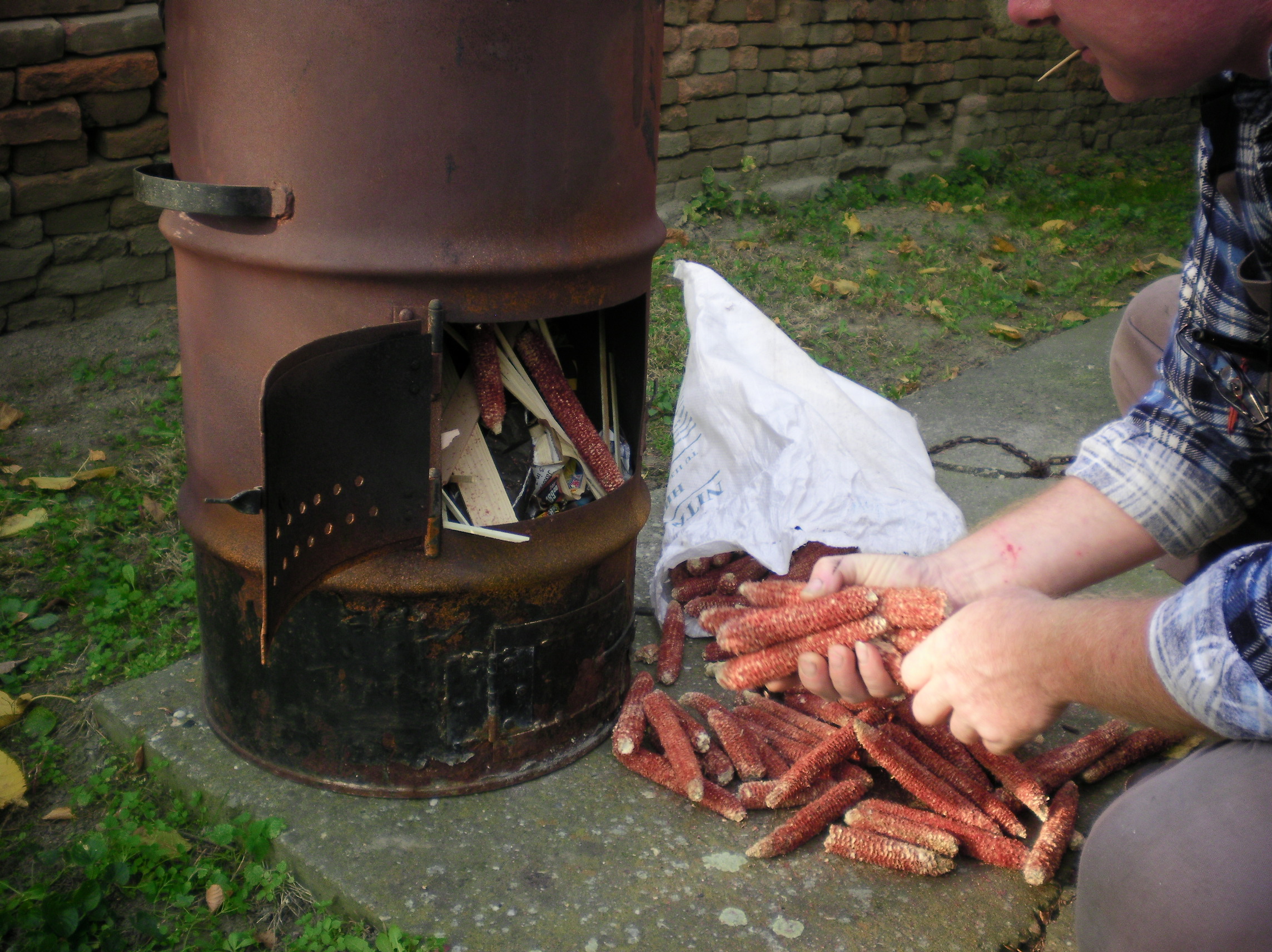
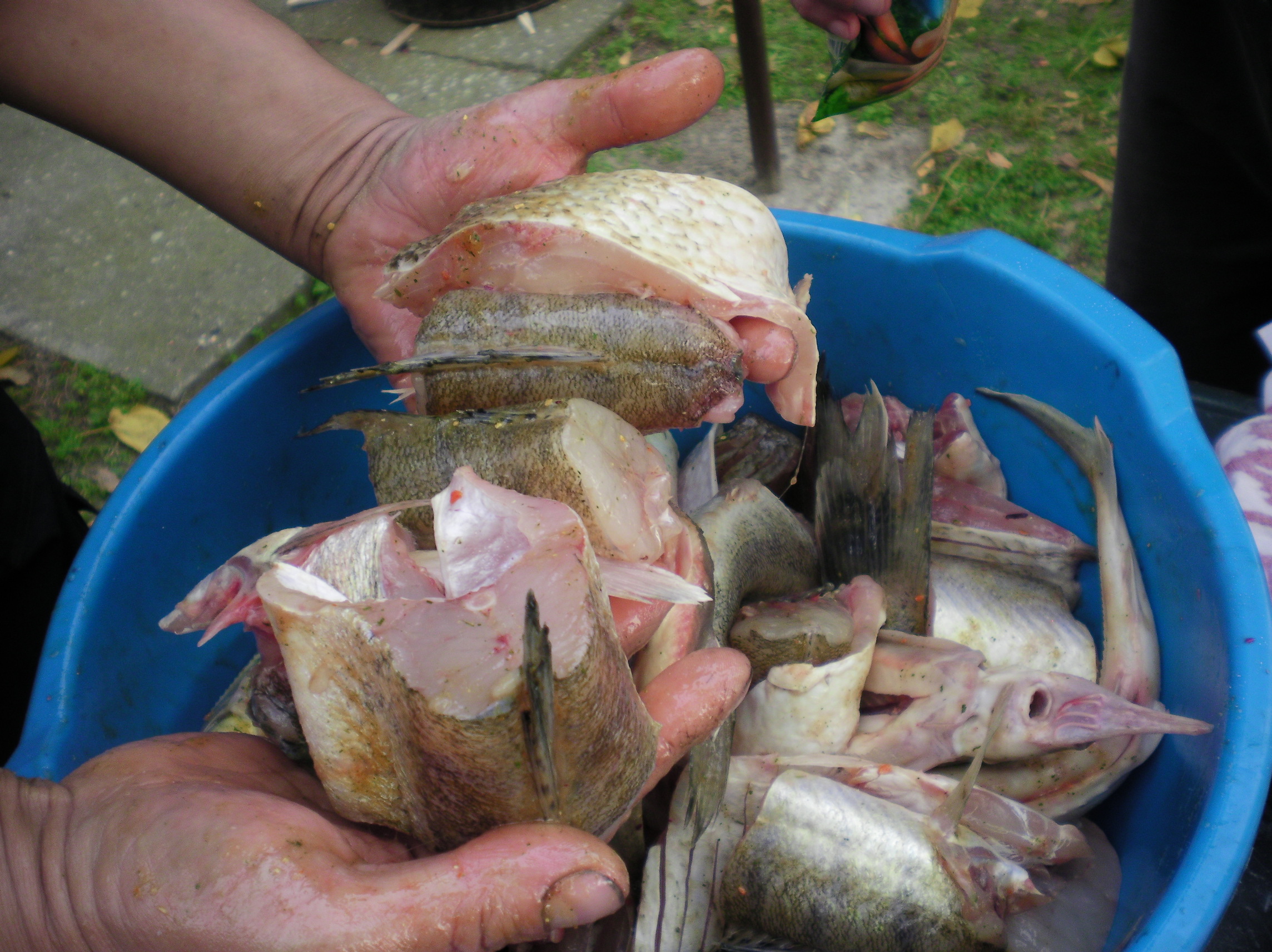
Dragan invited me to stay in his guest house, and I slept peacefully away from the dogs in a cozy bed. The next day, I woke up early for a Serbian breakfast of Coffee and a double shot of Rakia. We then went to the local fisherman to and purchased close to 10 kilograms of fresh fish for the evening festivities. Dragan offers to cook his famous soup on his outdoor stove converted from an  old oil barrel.

SANYO DIGITAL CAMERA

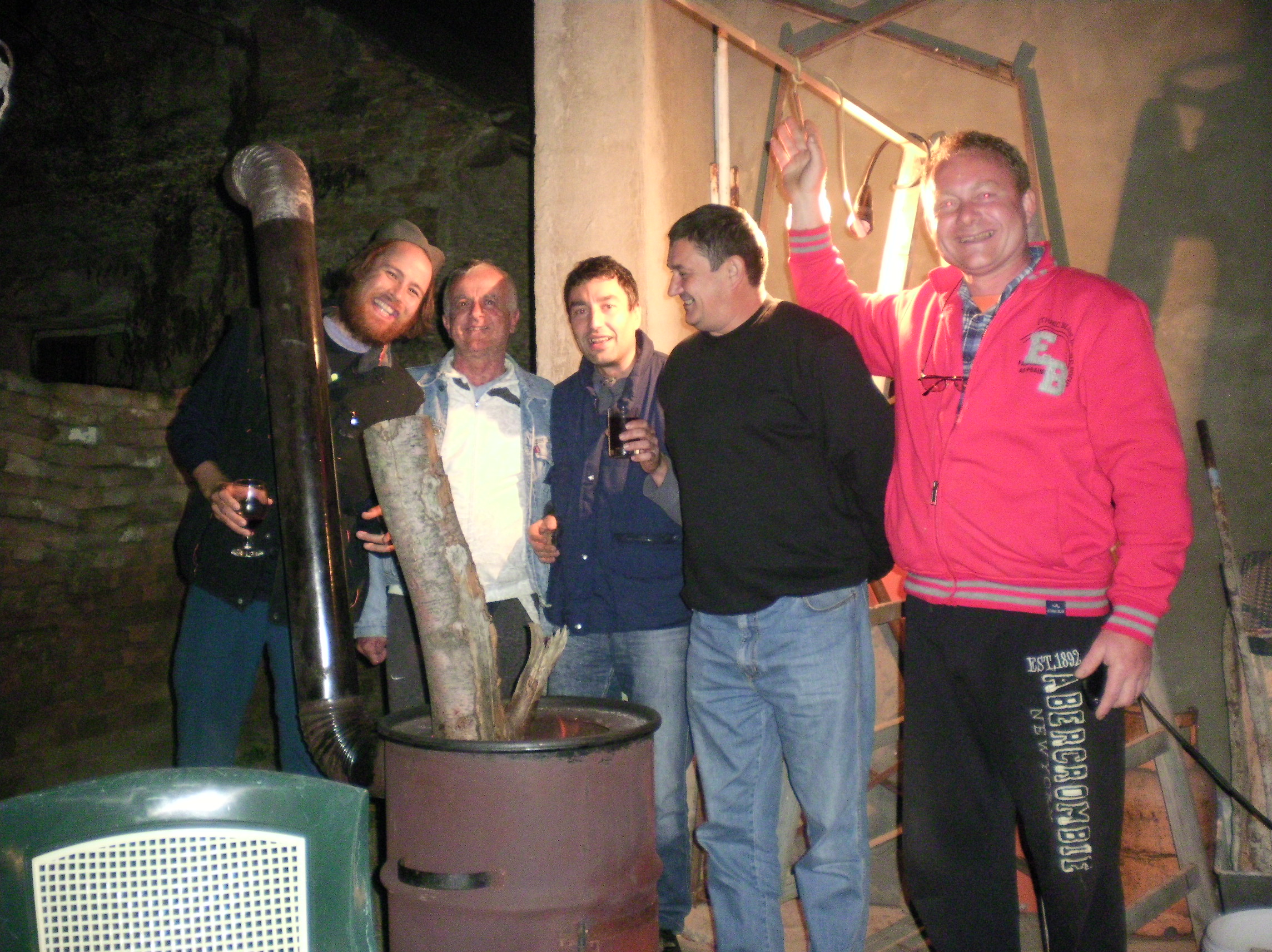
Dragan's homemade stove. Made from an old oil barrel

Dragan’s homemade stove. Made from an old oil barrel

Cook onions in oil till creamy

Cook onions in oil till creamy

Continue to stoke fire, corn cobs

Continue to stoke fire, corn cobs! A very memorable fragrant smell that permeates the countryside


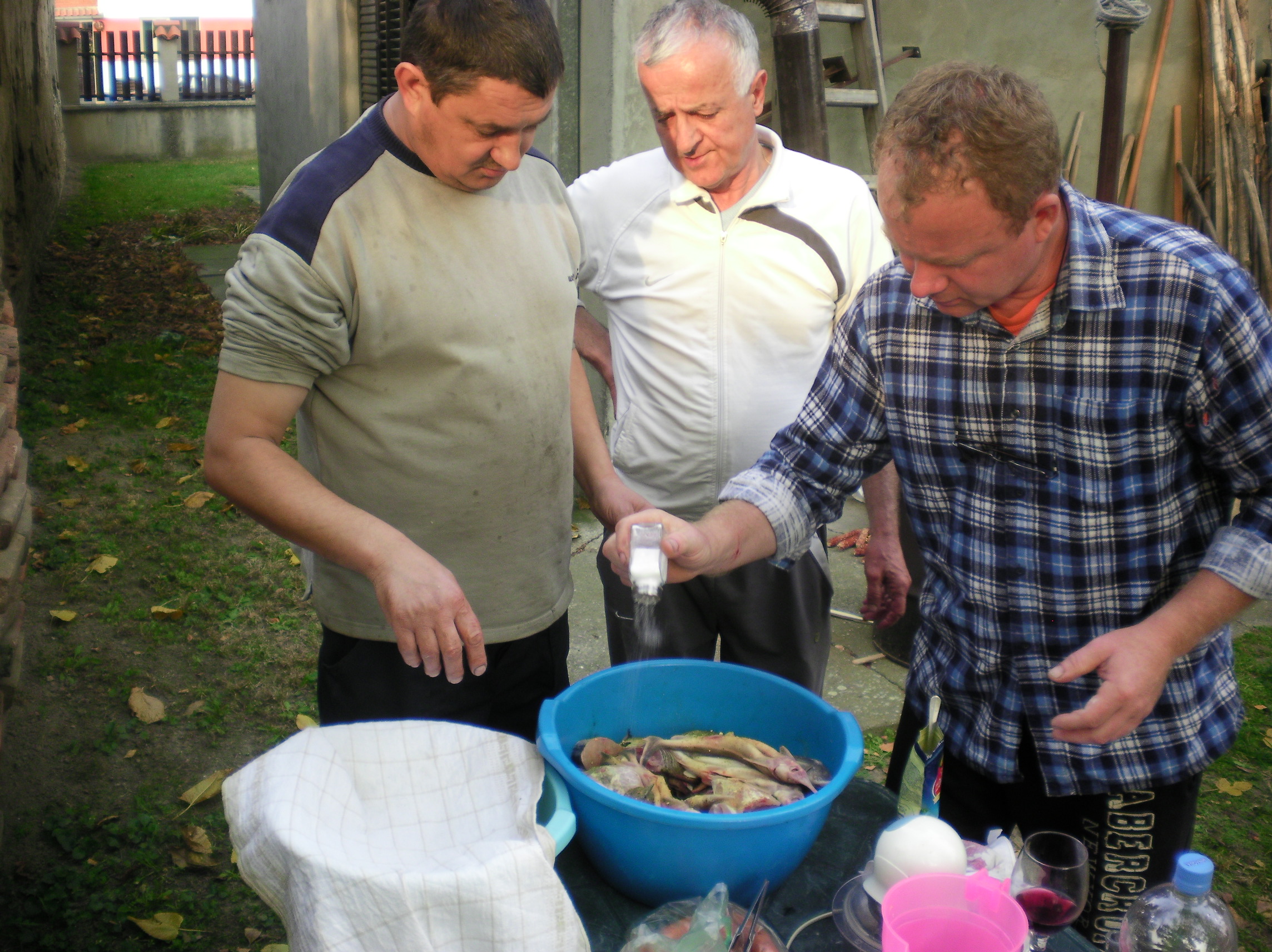
Season with salt, paprika, pepper and ginger

Season with salt, paprika, pepper and ginger

Soup is ready for fish

Soup is ready for fish

Argue for a while over seasonings then drink a shot of Rakia

Argue for a while over seasonings then drink a shot of Rakia

Message in marinade

Massage with the marinade

Later on I joined Pesco, my other friend from Dubovac, for a late lunch with his family. We drank Rakia and I played around with his small collection of Serbian war toys. The sun went down, a small party was brewing in the backyard. A fish feast! Dragan’s famous soup and thin sliced fish fried in bacon fat. Rakia, wine, beer, and plenty of spongy Muslim bread, a fabulous night in the small village of Kovin!

Pesko and I. Sporting the Sajkaca!

Pesko and I. Sporting the Sajkaca!

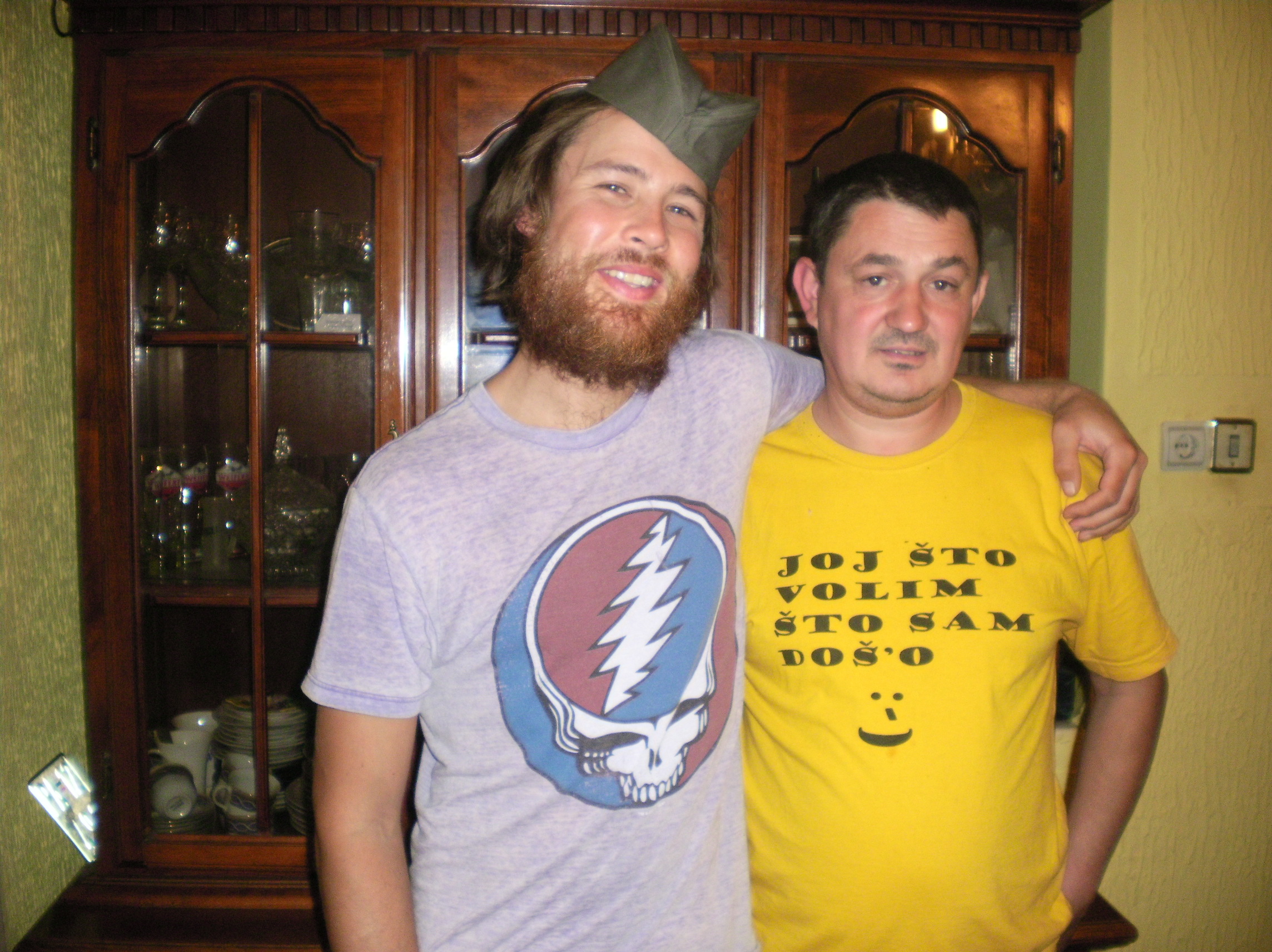
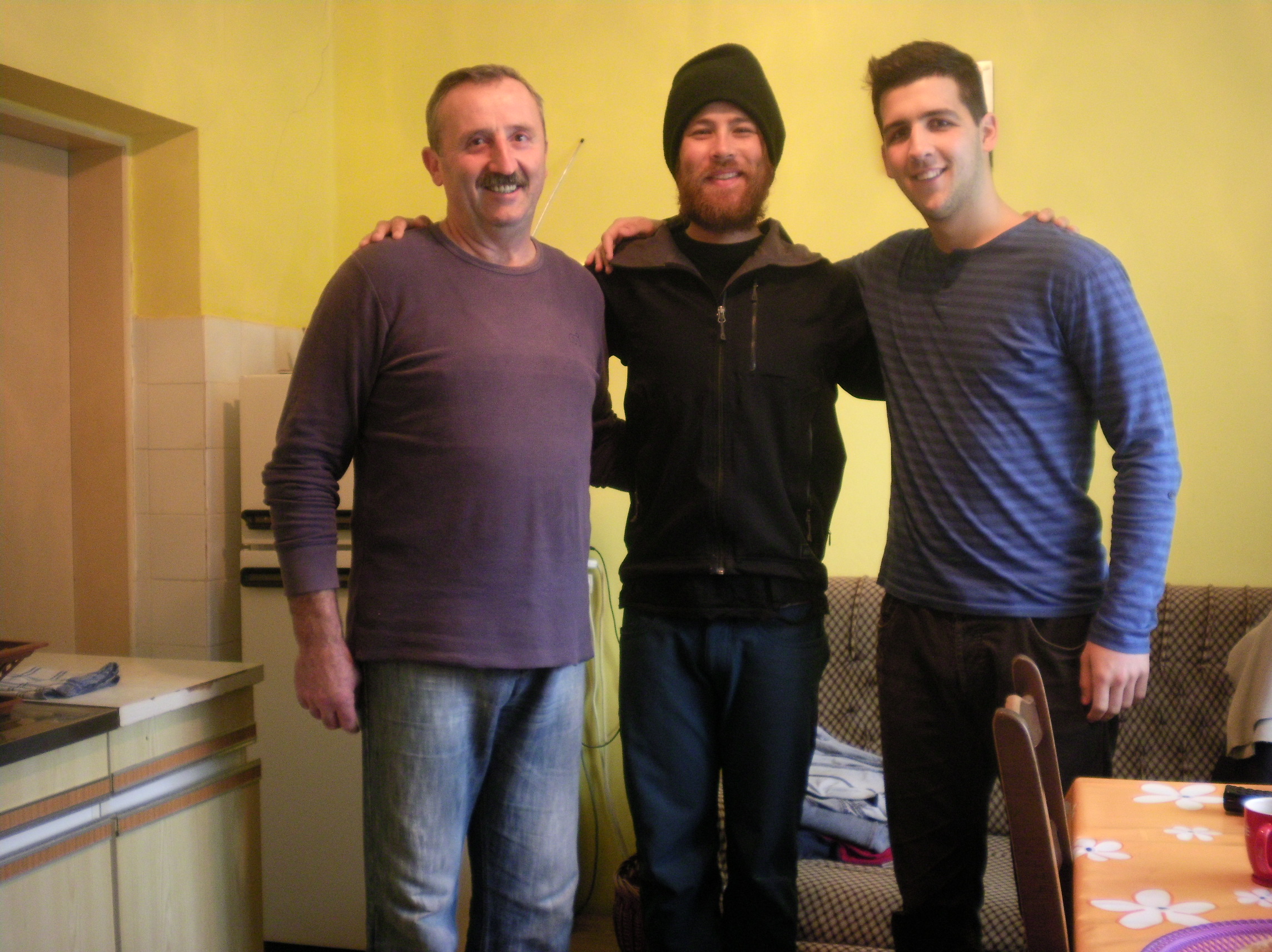
From left Dragan, Pesko, Kume

From left Dragan, Pesko, Kume

Although communication is limited to broken English and my extremely poor Serbian, Dragan, Pesko and I had a great time hanging out and I felt very connected with both of them. My friends from another life.

SANYO DIGITAL CAMERA

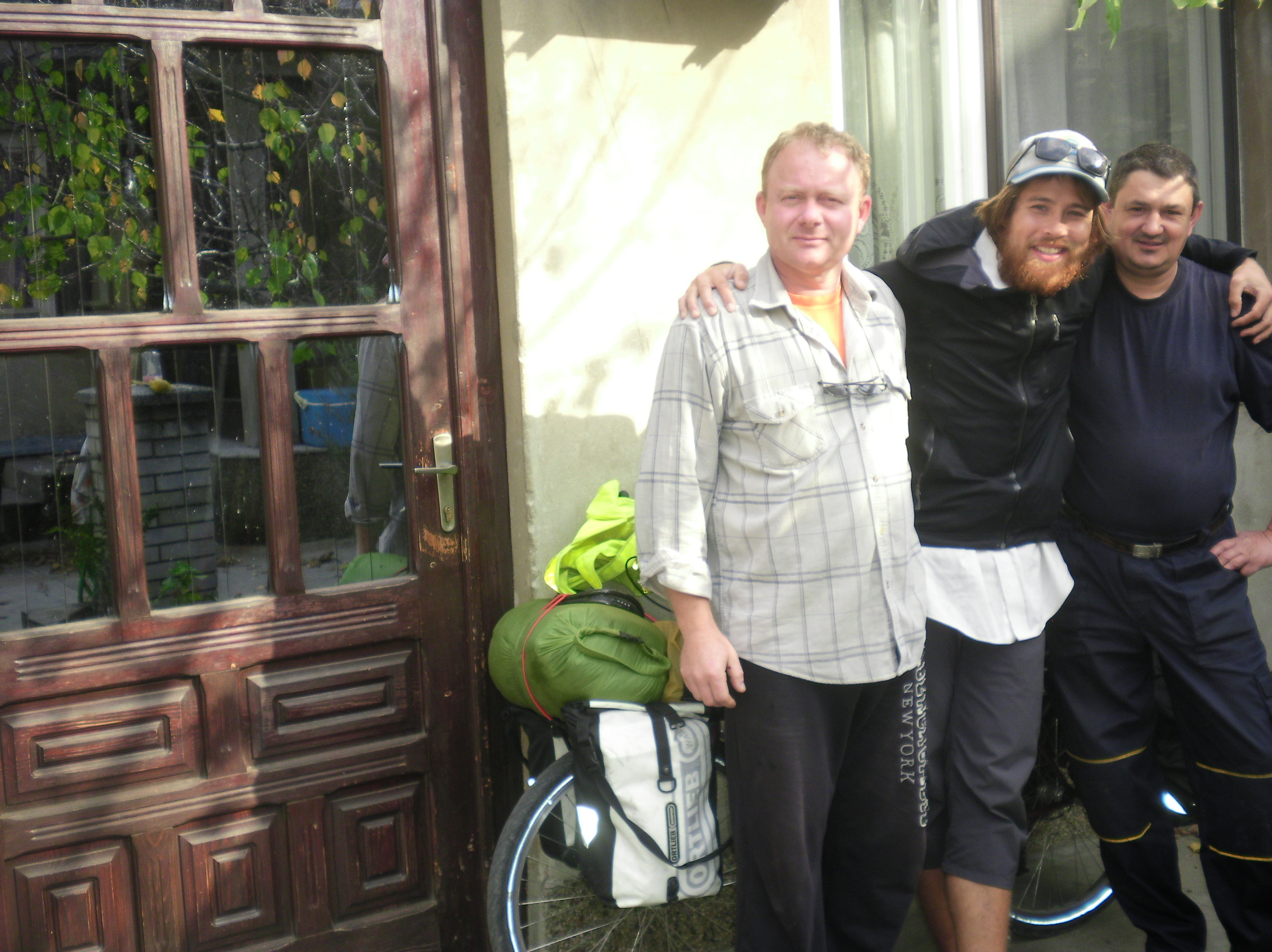
After another great breakfast of Rakia, black coffee and leftovers, Dragan gave me a spare Schwalbe tire and I said good-bye to my friends. I then cycled back to Zabalj where I am now staying with my other Serbian friends Jovan and his family.

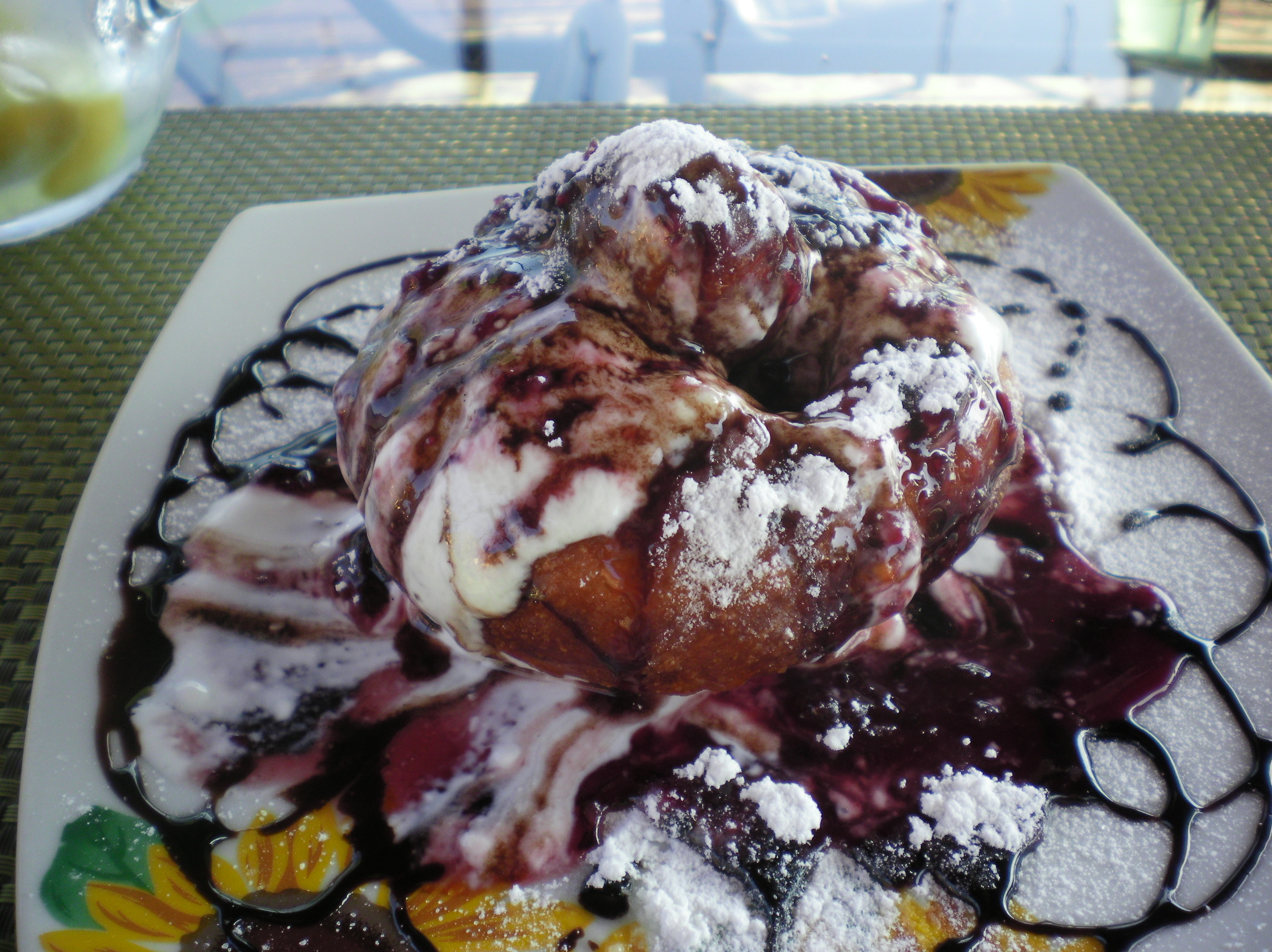
Classic Serbian Breakfast, piroshka fried dough with cheese

Classic Serbian Breakfast, piroska fried dough with cheese

The weekend is prepped for more festivities, Sarma, Serbian doughnuts and more Rakia. Things are good in Serbia, but tomorrow I will continue west to the Monastery in Croatia.

The best bread can be found in Muslim bakeries. Ask for "Muslimanska Pekara"

The best bread can be found in Muslim bakeries. Ask for “Muslimanska Pekara”

Sebia’s Tiger Leaping Gorge

Aside

SANYO DIGITAL CAMERA

SANYO DIGITAL CAMERA

These last few days have been really pleasant. Without a schedule and no restrictions on how long I can stay in one place, I have adopted a very relaxed pace. Each day riding no more than 60 km, and sometimes spending several hours exploring the rural villages.  I can carry enough water and food for several days, if I want to be out in the wild, or each day I can cycle to the next village or town and get hot food from the bakery. There is so much freedom on a bicycle, no need to rush to connect with a train or plane, when I am ready I can ride and when I am tired I can stop and sleep in a quiet field.

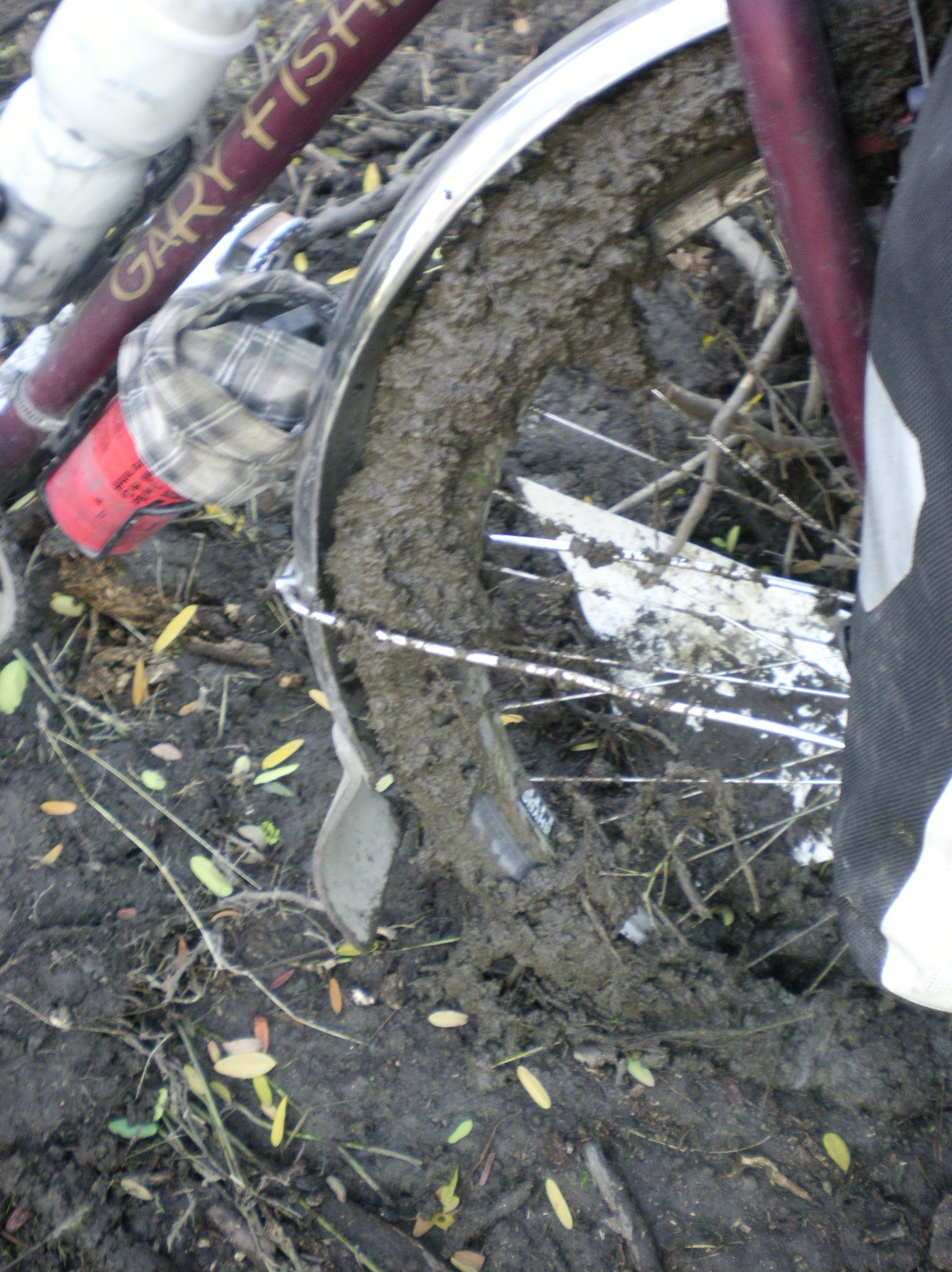
The water level on the Danube changes drastically over night. While crossing several sections of the road, I would often have to get off the bike and push or ride as fast as I can to get through some of the large streams. At one crossing the mud was misleading and Gaby got stuck. After losing both my sandals and pushing ankle-deep in warm mud I pushed Gaby to safe ground. There was so much mud however that  I could barely get the wheels to spin, let alone use my brakes. After a few km of gummed up tires rand very little braking I arrived at a small fishing village, Dubovac, located on a peninsula.
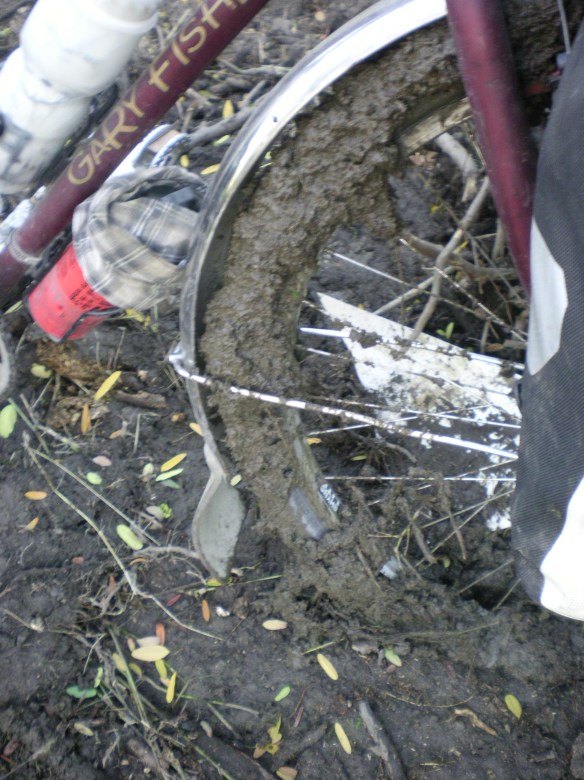
2 inch tires and fenders are no match for the Danube mud
2 inch tires and fenders are no match for the Danube mud

Peninsula Village of Dubovac

Peninsula Village of Dubova

After thoroughly hosing Gaby down, I was invited to wine and Rakia with some construction guys working in the village. They barely spoke English but knew a lot of construction terms in English, they also knew a lot of bad words, we became friends instantly! After drinking a few shots of Rakia and a glass or two of homemade wine cut with Coca-Cola, they pulled out a large metal wok, and fried fresh caught fish in a few cups of bacon fat.

The cooking begins
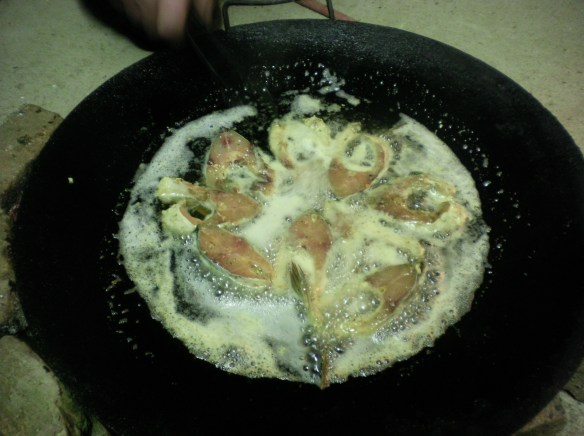
The cooking begins

SANYO DIGITAL CAMERA

Perfectly topped off with bread dipped in the leftover fat and wine cut with cola to wash it down

Top it off with bread dipped in the leftover fat and wine cut with cola to wash it down, you will definitely be full after this meal. The ice cream container at the top of the picture is full of bacon fat

After dinner, they offered me a camping spot on the lawn and when they learned that I would be cycling back through the area, invited me to “sarma” (mixed meat cooked in cabbage, supposedly the best Serbian food) and more drinks in their home village Kovin. I said good night to my new friends and set a date for my return party. The peninsula had a very tropical feel, and all night a warm breeze rustled the leaves, and in the distance I could hear the sounds of boats bumping with the tide.
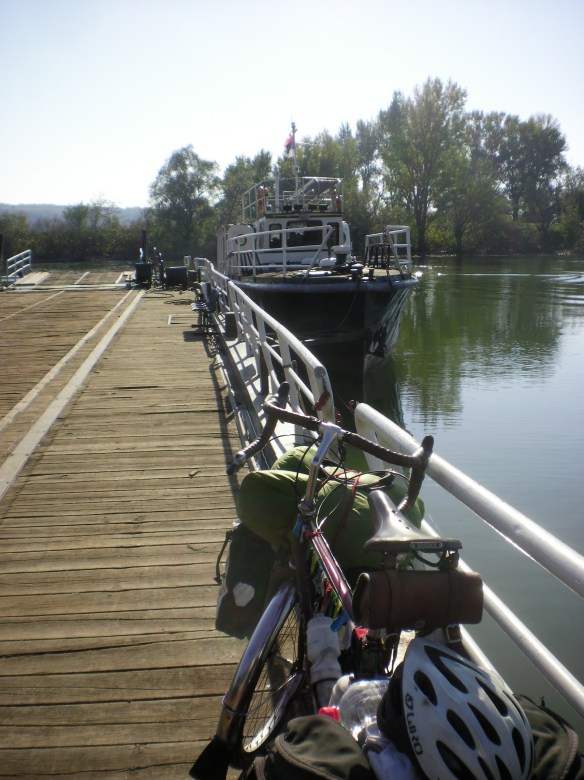
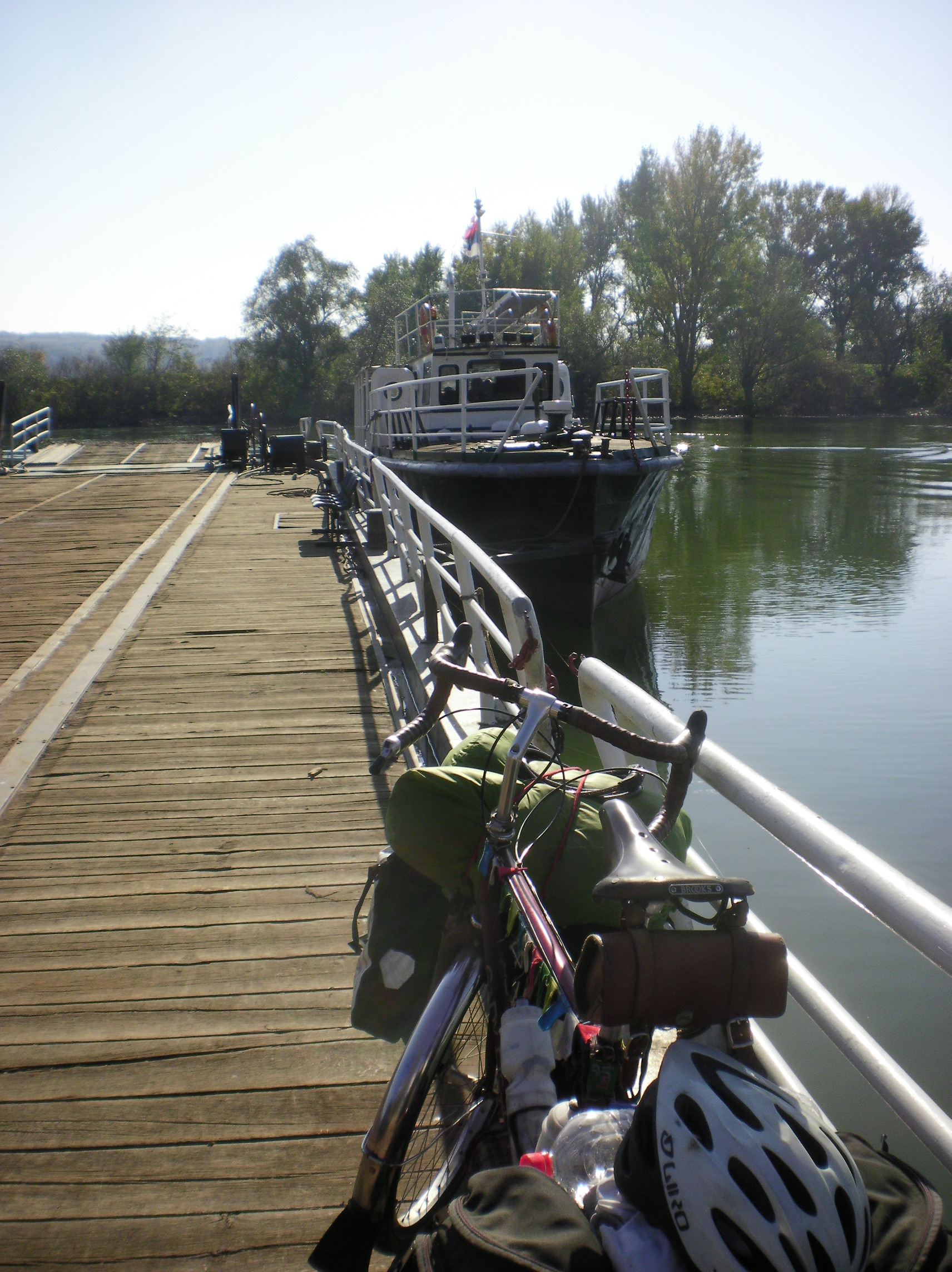
The only passenger on the 30 minute ferry across the Danube

The only passenger on the 30 minute ferry across the Danube

After a breakfast of flat cola and bread, I left the Louisiana like village of Dubovac. The bike path quickly changed from single track, to a full two lane road. The road eventually departed from the Danube, and crossed several orchards and vineyards finally coming to a halt at a small ferry terminal, where I boarded and crossed to the southern side of the river. Departing the ferry I cycled through the small town of Ram, and up a steep hill  past an ancient castle. Rolling hills and Orthodox monasteries, I found a nice camping spot under some plum trees and cooked dinner.

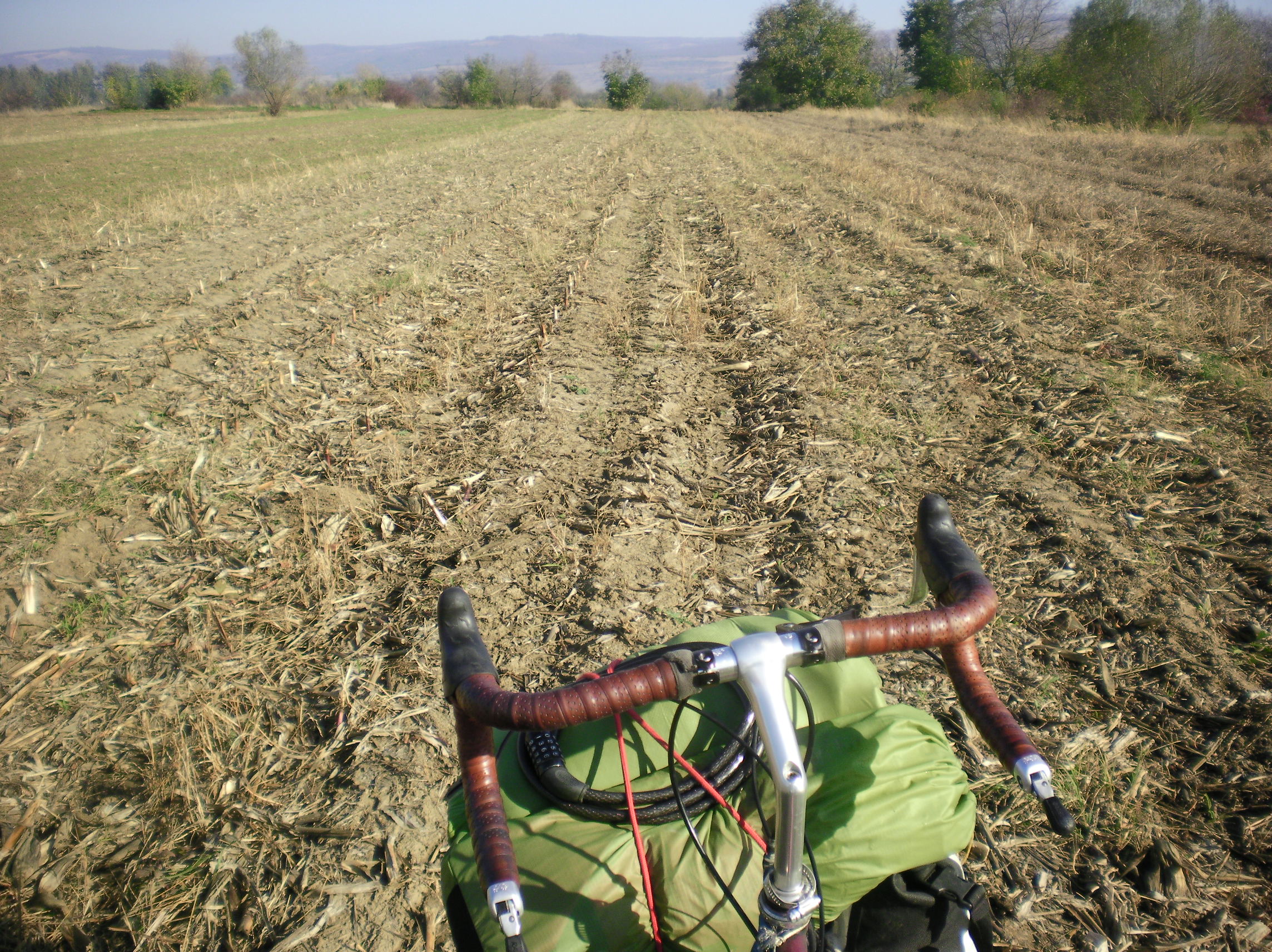
Corn fields are a great place to find a secluded camping spot
Corn fields are a great place to find a secluded camping spot

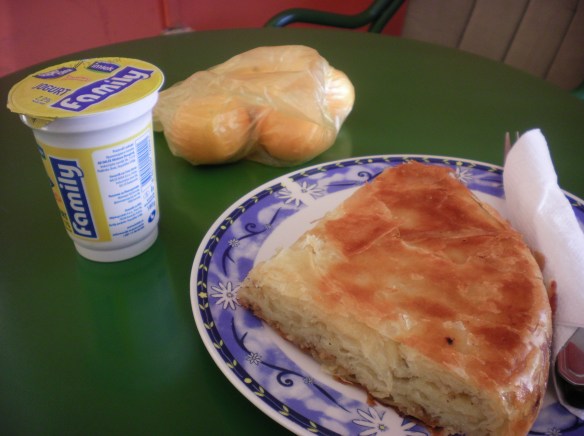
My favorite Serbia breakfast, "Burek" and yogurt. Layers filo dough, with cheese and meat., fresh out of the oven

My favorite Serbia breakfast, “Burek” and yogurt. Layered filo dough,  cheese and meat. This one was fresh out of the oven

The next day, I entered the city of Golubac, the official beginning of Djerdep National Park.  I stopped in several stores and eventually found a good market where I packed my panniers full of bread, cabbage (a whole head of cabbage costs less than 10 cents), garlic and water. Not sure when I would see a food store again I carried a few days worth of supplies.
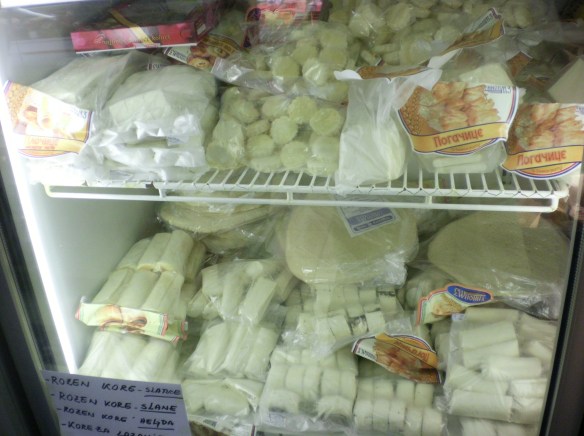
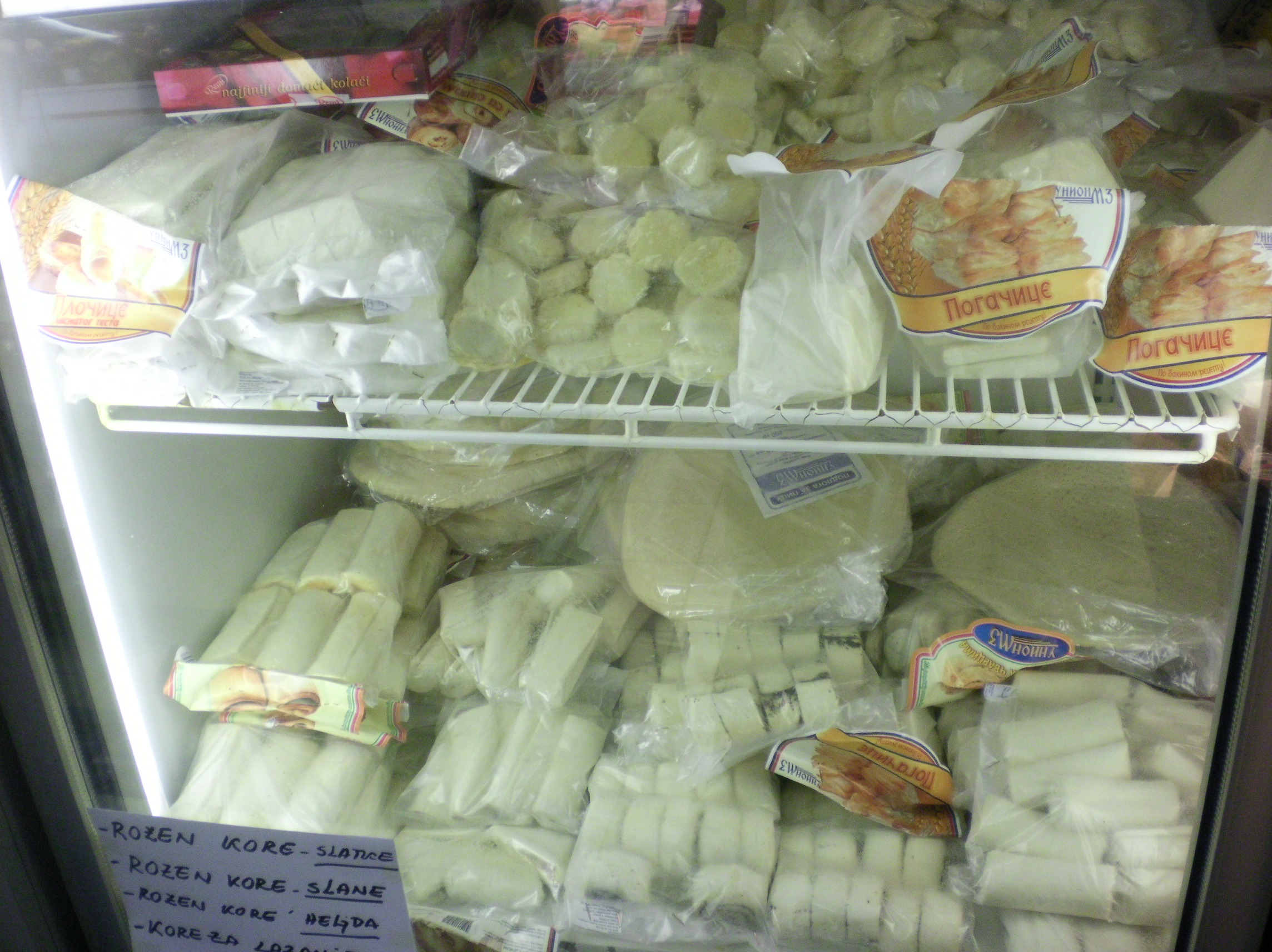
In Poland the grocery store freezers were full of dumpings, here in Serbia and Romania they are full of frozen croissants and other Danish like snacks

In Poland the grocery store freezers were full of dumplings, here in Serbia and Romania they are full of frozen croissants and other Danish like snacks

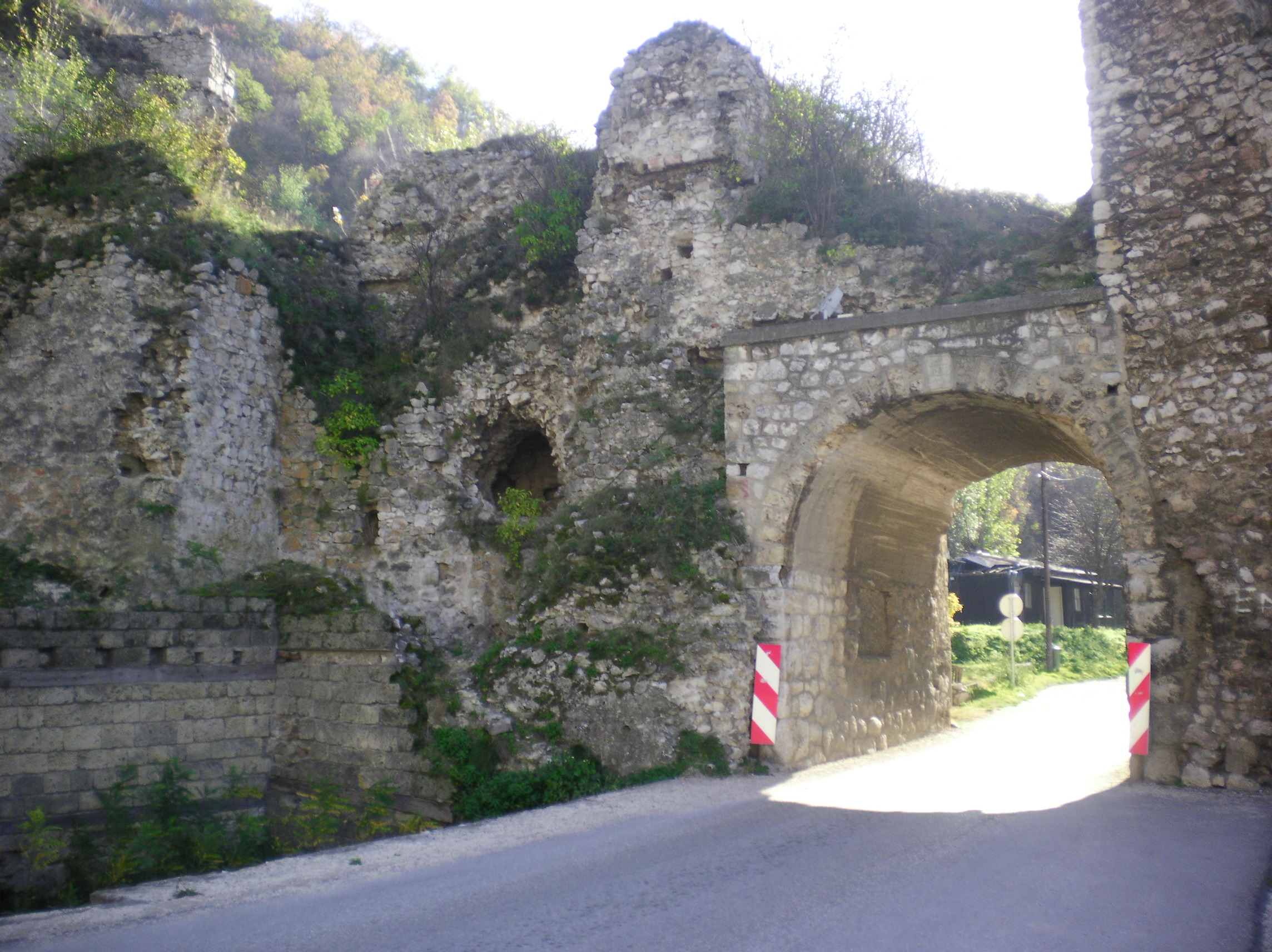
Leaving Golubac, the road went straight through a huge castle built by the Serbs in the early 11 century.
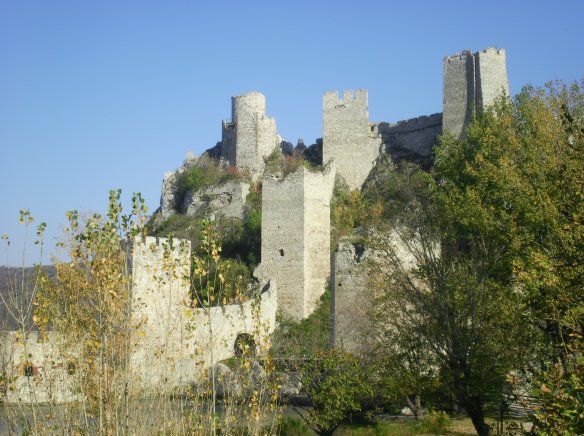
Ancient Serbian castle
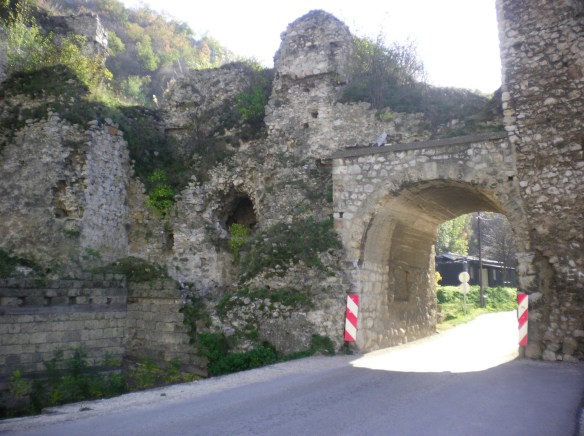
Ancient Serbian castle

Main road goes right through

Main road goes right through

SANYO DIGITAL CAMERA

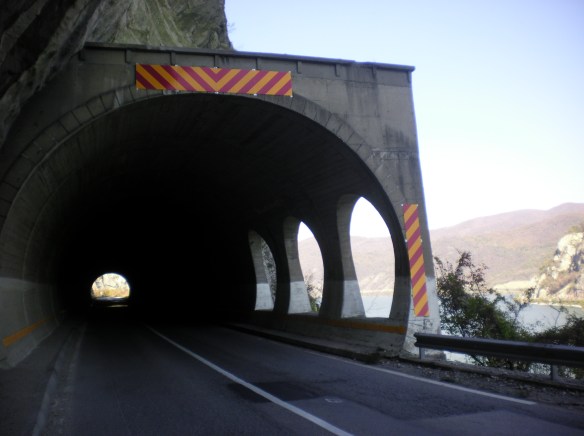
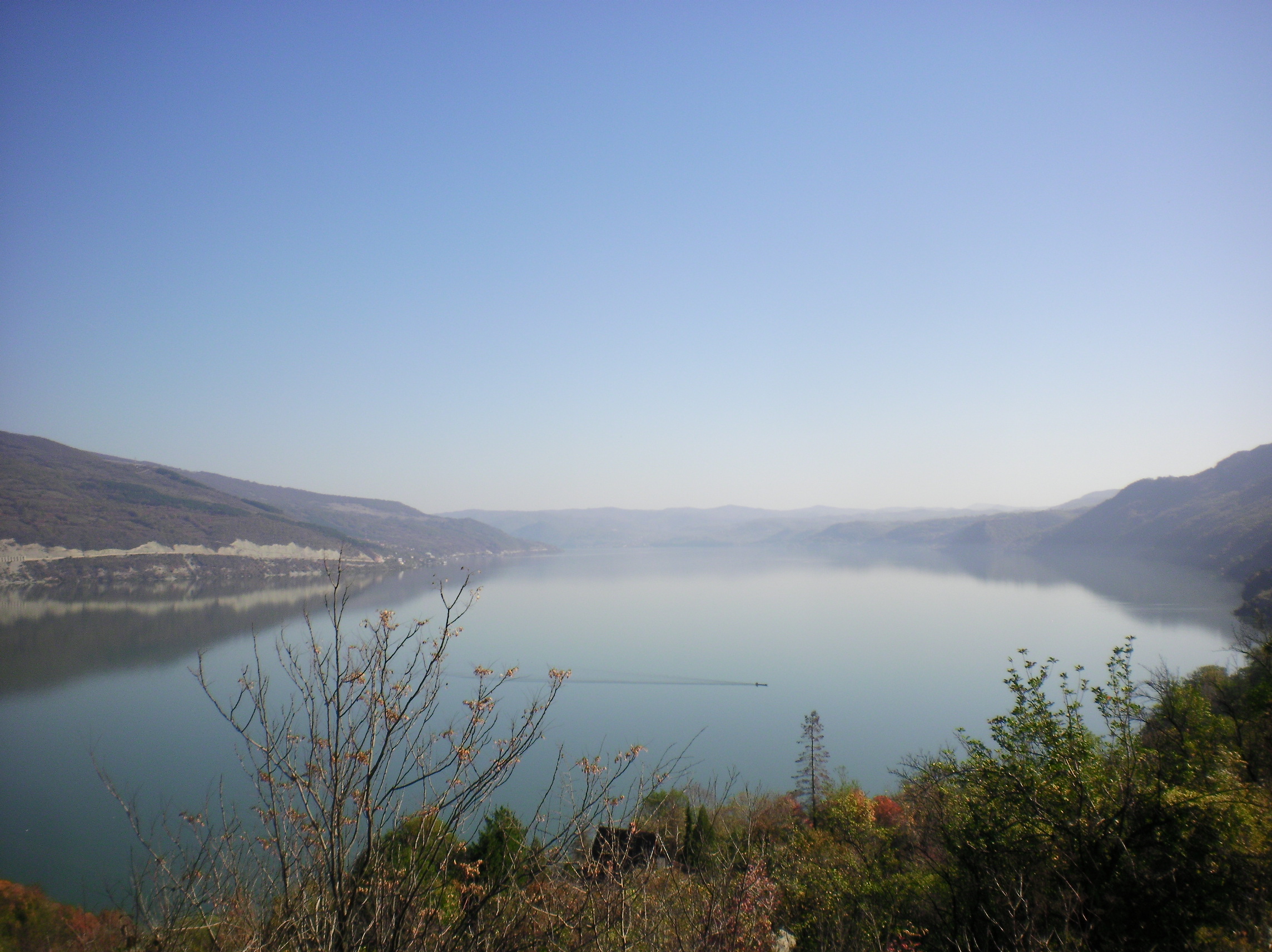
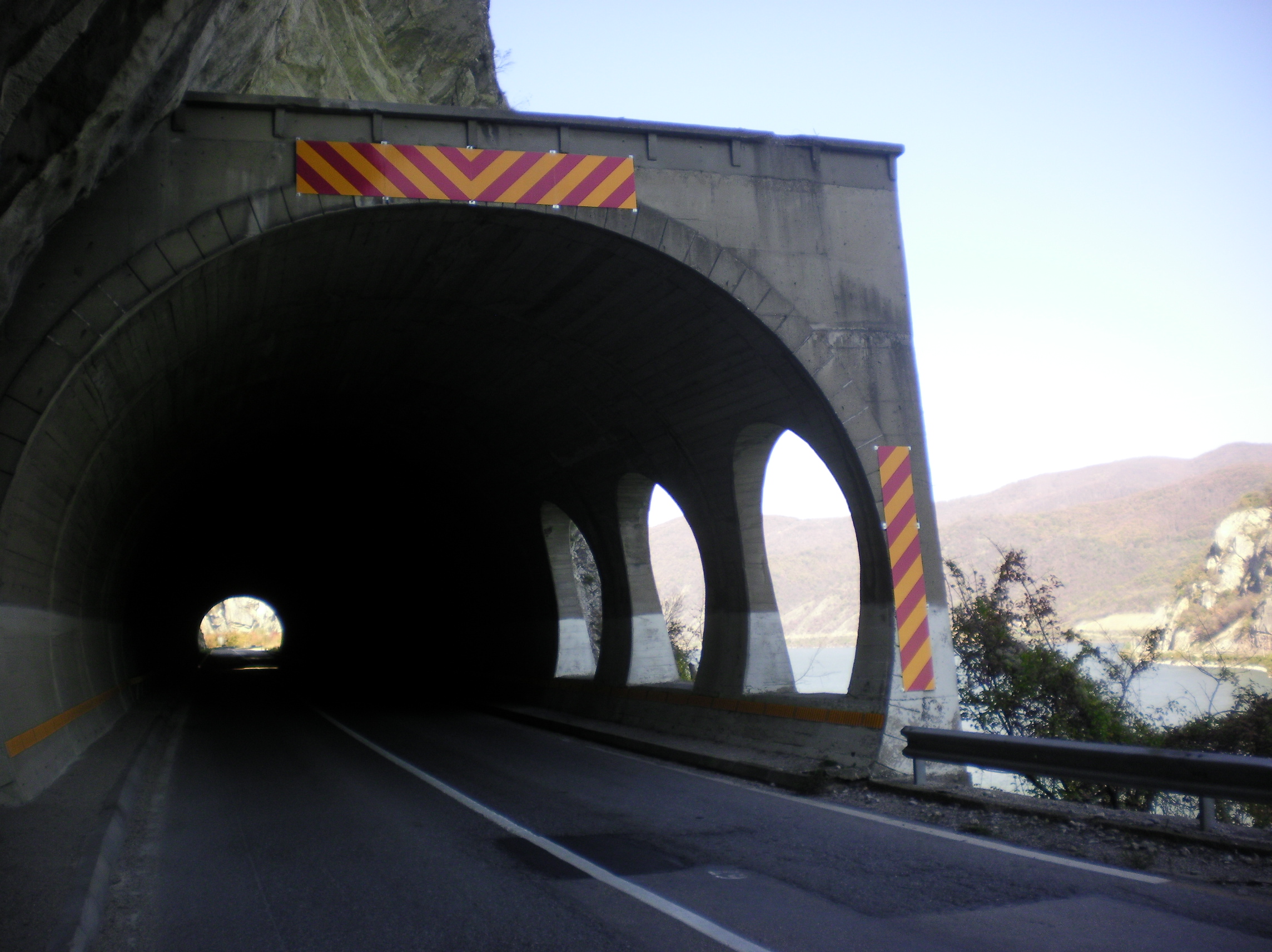
The Turks occupied the castle in the 1300s and during the communist regime the government decided to put a road right through the center of the castle. A great way to mark the entrance to the national park, the river was slowly becoming wedged in a canyon. The road now passed through several tunnels, and in some ways mimicked my epic 2009 ride in Hana, HI.
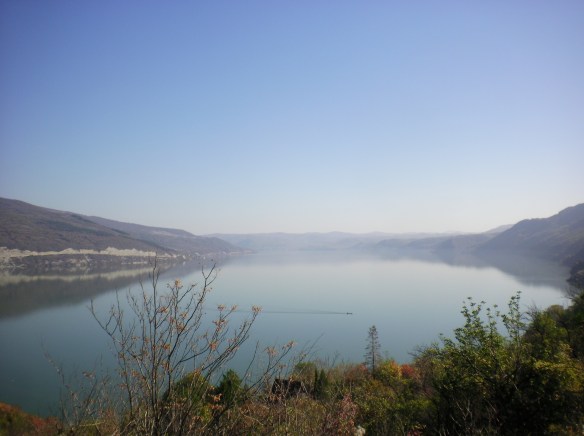
SANYO DIGITAL CAMERA

SANYO DIGITAL CAMERA

Short tunnels but just long enough for everything to get dark

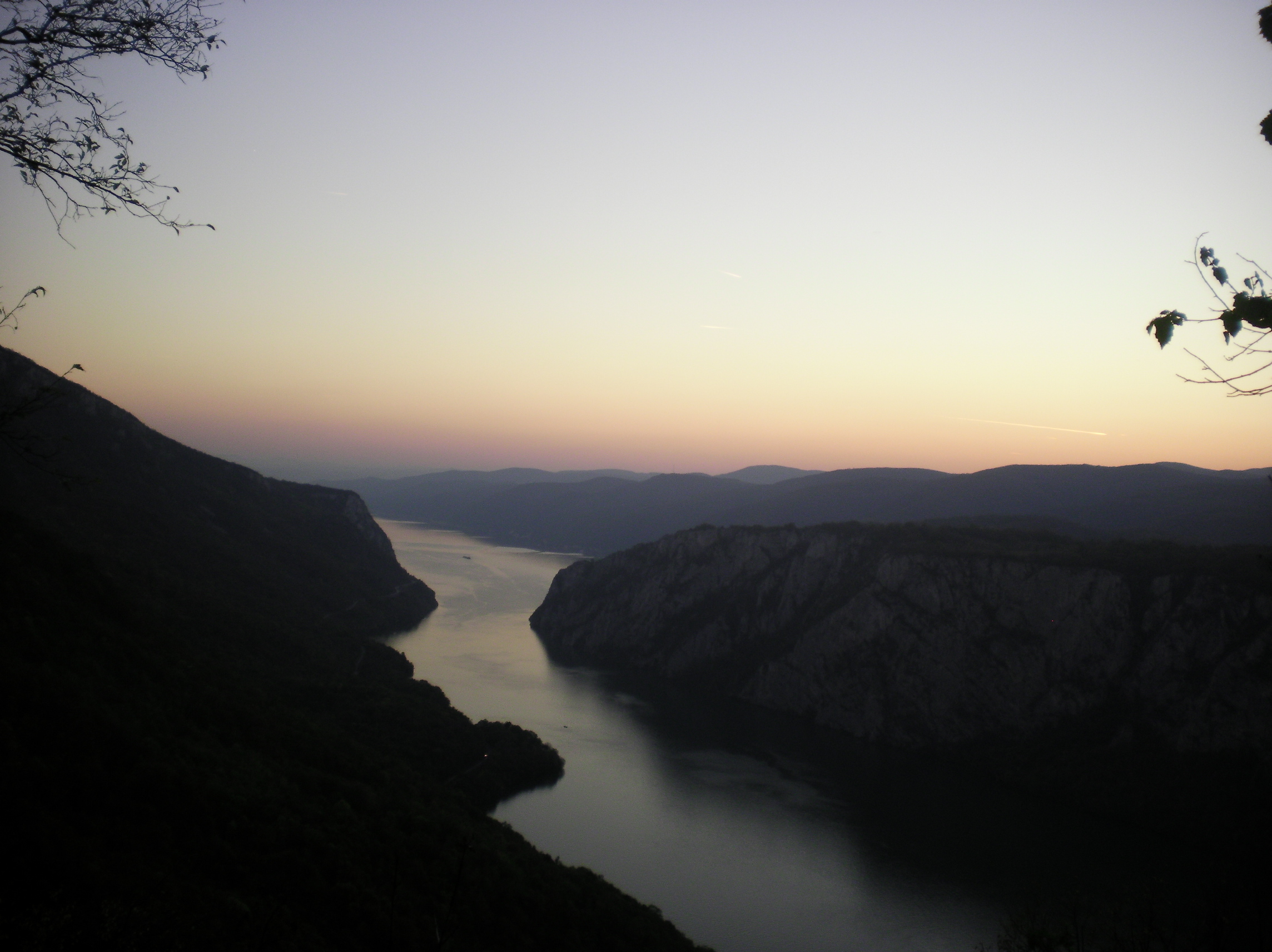
After another day of riding step cliffs overlooking the river, I approached a side road heading to the highest peak in the park. A steep, rough 6 km, (most of which I had push) the top had a spectacular view of the river and where I sat for a few hours eventually watching the sunset.
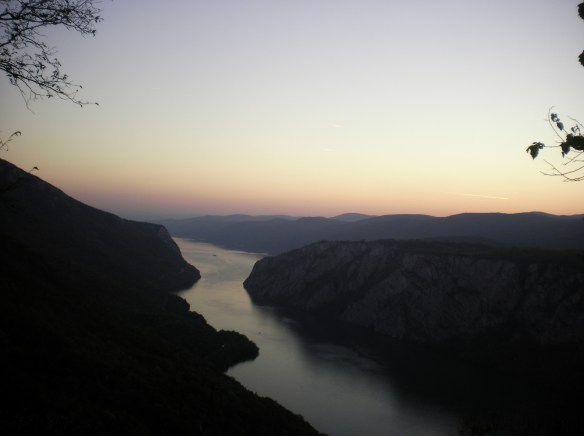
Danube from the Summit

Danube from the Summit

I camped just below the summit, and was awoken several times by a lynx. At first the lynx came to my tent and tried to steal my muesli, when that attempt failed, it started to screech (probably thinking I would run from my tent in fear).  My first attempt at confrontation the lynx it ran away, however later it got more bold. Around 3 am I was awoken again by the “beautiful” screech, I unzipped my tent and turned on my head light, and there, with eyes glaring back at me was a beautiful lynx about the size of a large dog. I picked up a rock, but before I could do anything it ran into the forest.
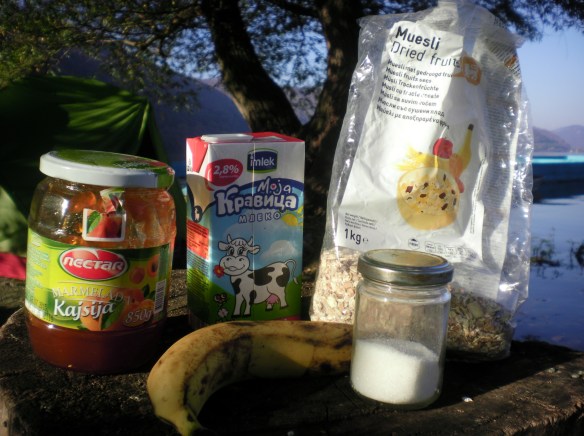
On the road, breakfast of champions

I will fight a lynx to save my Muesli. Breakfast of champions
SANYO DIGITAL CAMERA
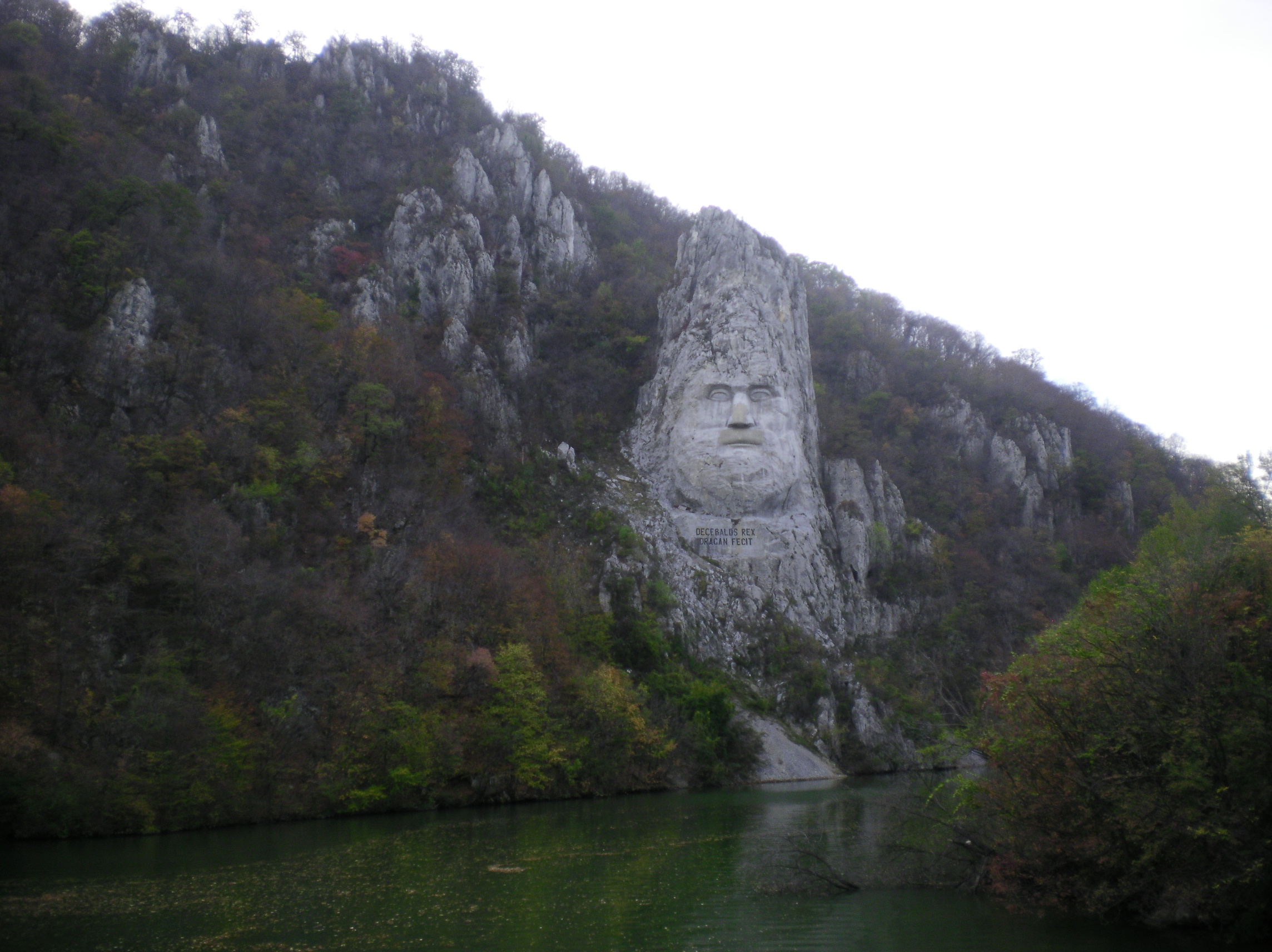
Today I cycled out of the national park, and crossed the river to Romania. Compared to the Serbian side of the Danube, an undeveloped national park, the Romania side is very rural with villages and villas built along the water. In the late afternoon I passed Romania’s equivalent of Mt Rushmore, the Statue of Decebalus, a huge face carved into the rocky cliffs.

Statue of Decebalus, this momument took ten years and over a million dollars to build

Statue of Decebalus, this momument took ten years and over a million dollars to build

Vacation is over! There is a meditation retreat in southern Croatia on November 9th, and after reunited with my friends and eating “Sarma” in Kovin, I will be heading west through Bosnia and into Croatia.
HAPPY HALLOWEEN!!

SANYO DIGITAL CAMERA

Gaby becomes a 10 speed, Jabukovaca and homemade marmelade

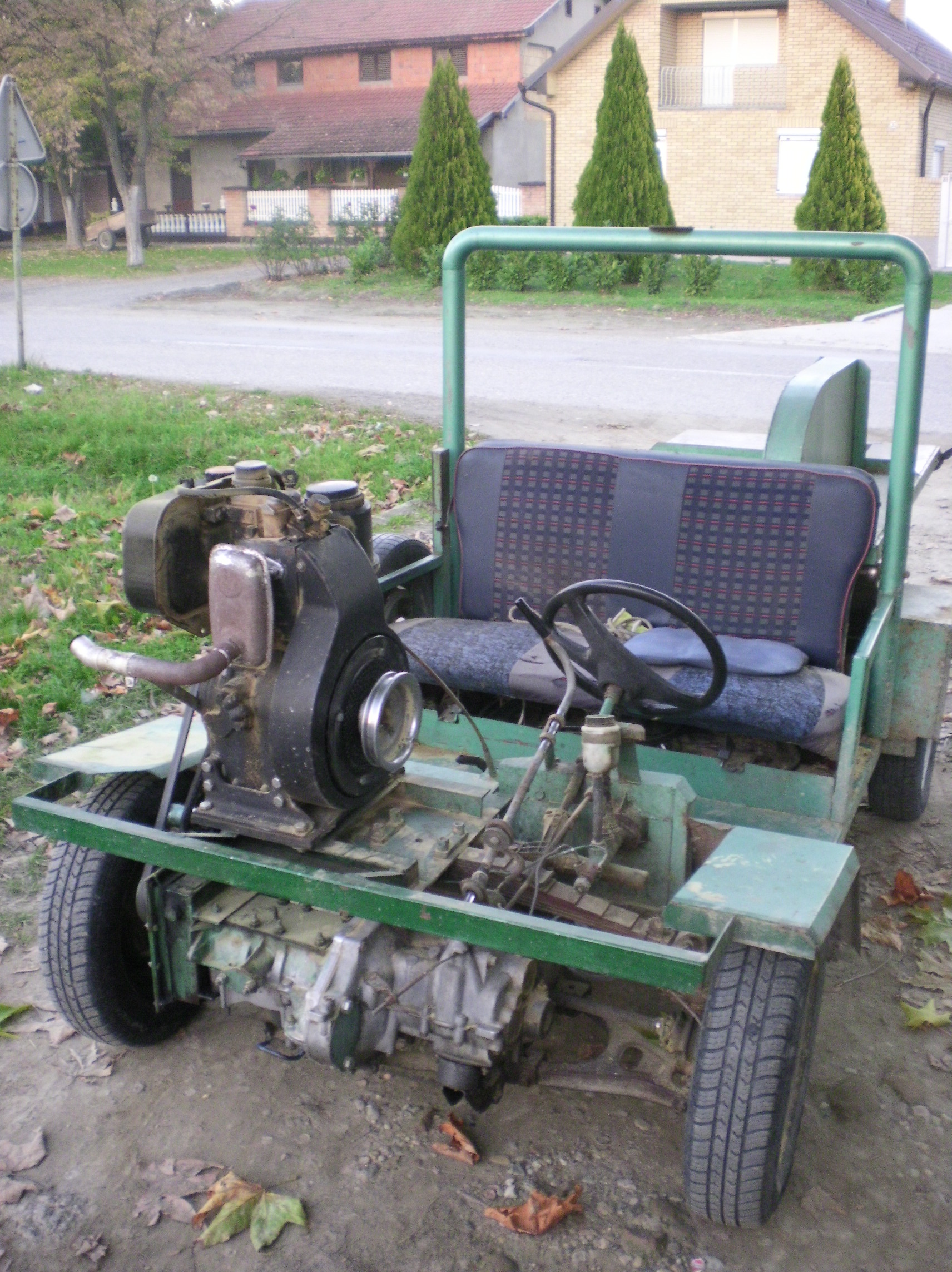
Local Village vehicle

 Serbia Village vehicle

Before leaving Belgrade I stopped at the local bike shop to get a new chain and maybe find a new left crank arm. When my homedog mechanic, Marco, looked at the bike he was shocked at the condition of the drive chain. My chain, a cheap kmc chain, installed in CA, had stretched over 2 inches and had completely wore out the middle chain ring on the crank, and all the sprockets on the cassette. A new chain and cassette are easy replacements in Serbia but my Sugino, 5 bolt middle chain ring, is impossible to find. Rather then deal with mail order parts from the UK I abandoned the idea of changing the middle chain ring and now have to double shift when climbing. I also installed a left crank arm but the size is a few mm shorter than the right one, pedaling was a bit awkward at first but all in all gaby runs smoothly, and when I arrive in Istanbul I hope to find better parts.

Cotton wood trees grow along the Danube River

Cotton wood trees grow along the Danube River

The Serbian diet is very similar to that of Hispanics. In the villages the locals eat beans, with le pinna (a thin bread similar to a tortilla), crushed tomatoes with bell peppers and onions. Many Serbs also have an appearance very similar to Mexicans and celebrate their own version of “day of the dead”.

Euro-Rail 6, country road to Romania

Euro-Rail 6, country road to Romania

SANYO DIGITAL CAMERA

I am heading east on the Danube river to see the largest canyon in Europe, second in the world only to the Grand Canyon. Leaving Belgrade I cycled through the most polluted city in the country, Pancevo. Factory after factory spewing smoke into the blue sky, (the city also makes its own yogurt which is quite good). The roads are relatively quiet and small villages line the banks of the Danube.

While looking for a place to camp, the village of Ivanovo, I befriended some locals drinking beer outside a grocery store. An older man named Zoran spoke English and after a few beers, 2L size, invited me to stay at his country home. We talked mostly about traveling, and he told me that his only regret in life was that he waited until he was 50 to start. A Belgrade native, Zoran had traveled all over the world and used to be a chauffeur for the Serbian Embassy. I invited him to dinner and we ate Cata Georjva (fried beef wrapped around pork), and Oustipsy (mixed fried meat with cheese) at a local restaurant. I slept on his floor, and breathed heavily in his smoky house.

Zoran's country house

Zoran’s country house

Fresh peppered fish, cooked in a wood fired oven

Fresh peppered fish, cooked in a wood fired oven

Zoran starts his day with beer, so being a good guest we toasted off the morning with a “Ziveli”(Serbian Cheers)! He made me fresh caught, roasted fish and then we headed to a friends house on the river. Ivanovo, is a very small community of mixed races, Serbians, Muslims, and Hungarians make up the majority although there are few Croatian and Bosnia households. Constantine, Bosnian a retired, electrical engineer, has a house right on the Danube river. He spends his time distilling his own plum brandy, and makes very tasty apple marmalade.

Homemade apple marmalade

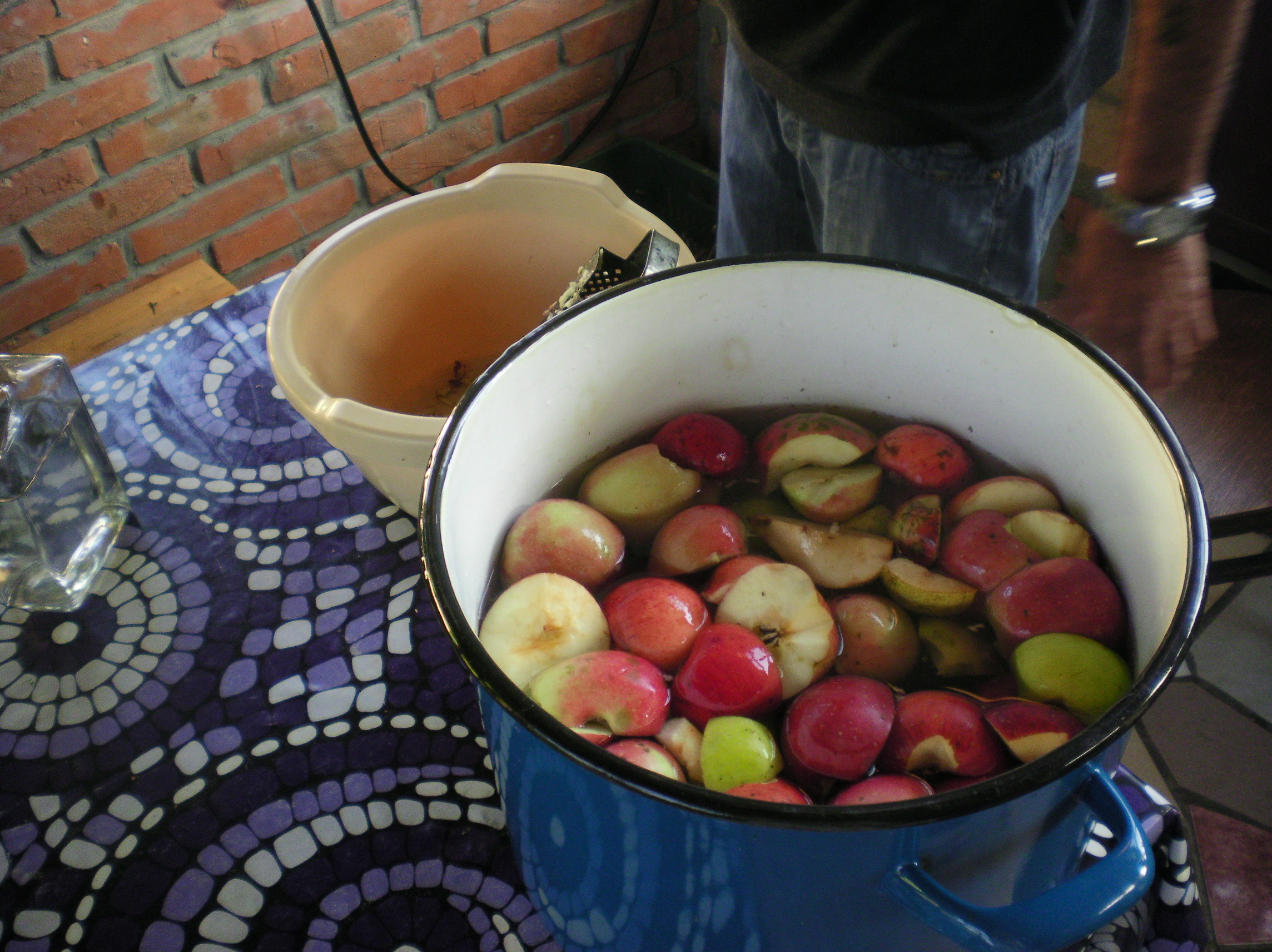
Homemade apple marmalade, apples are diced then cooked over an open fire

Cooking the marmelade

Cooking the marmelade

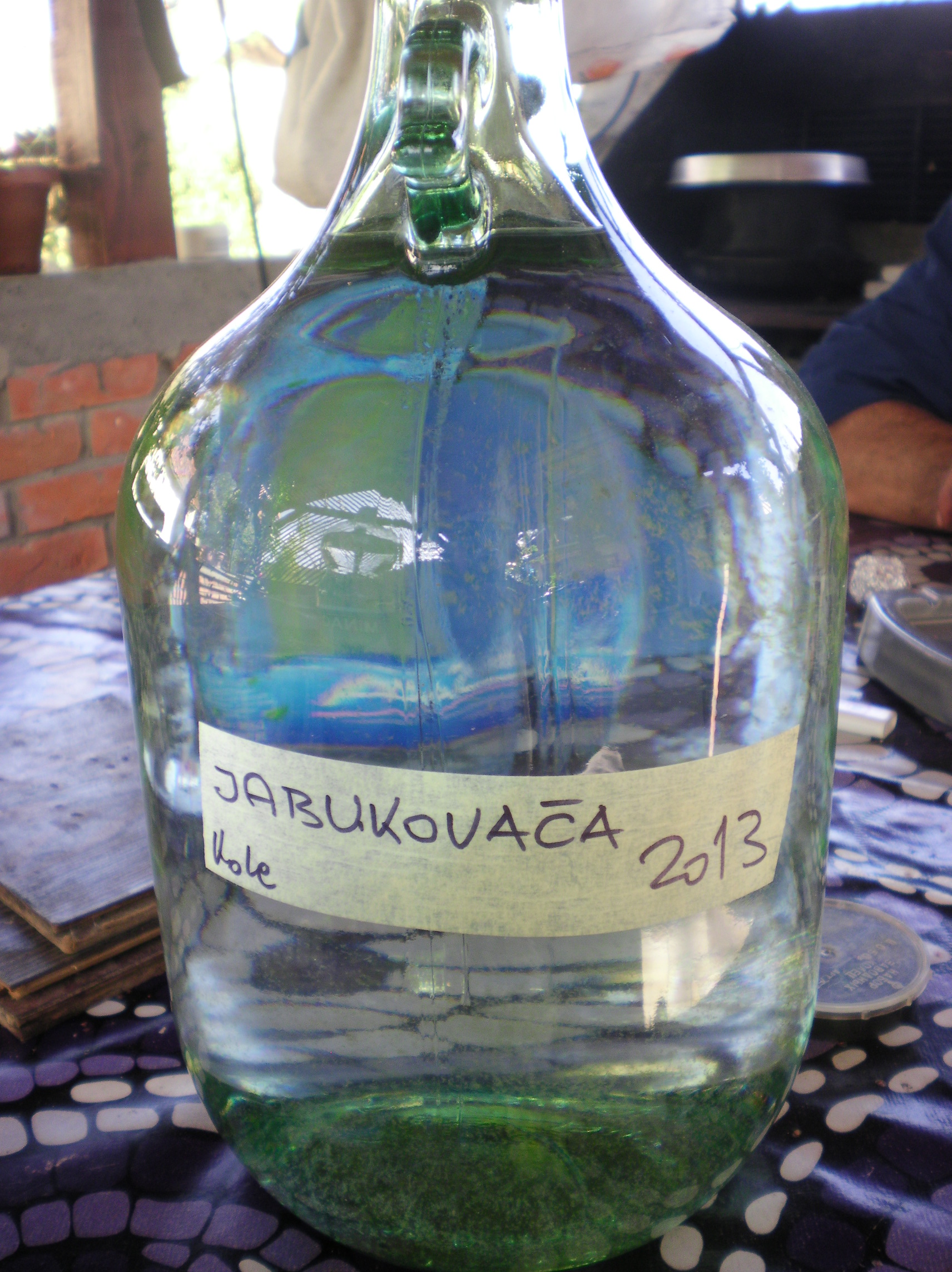
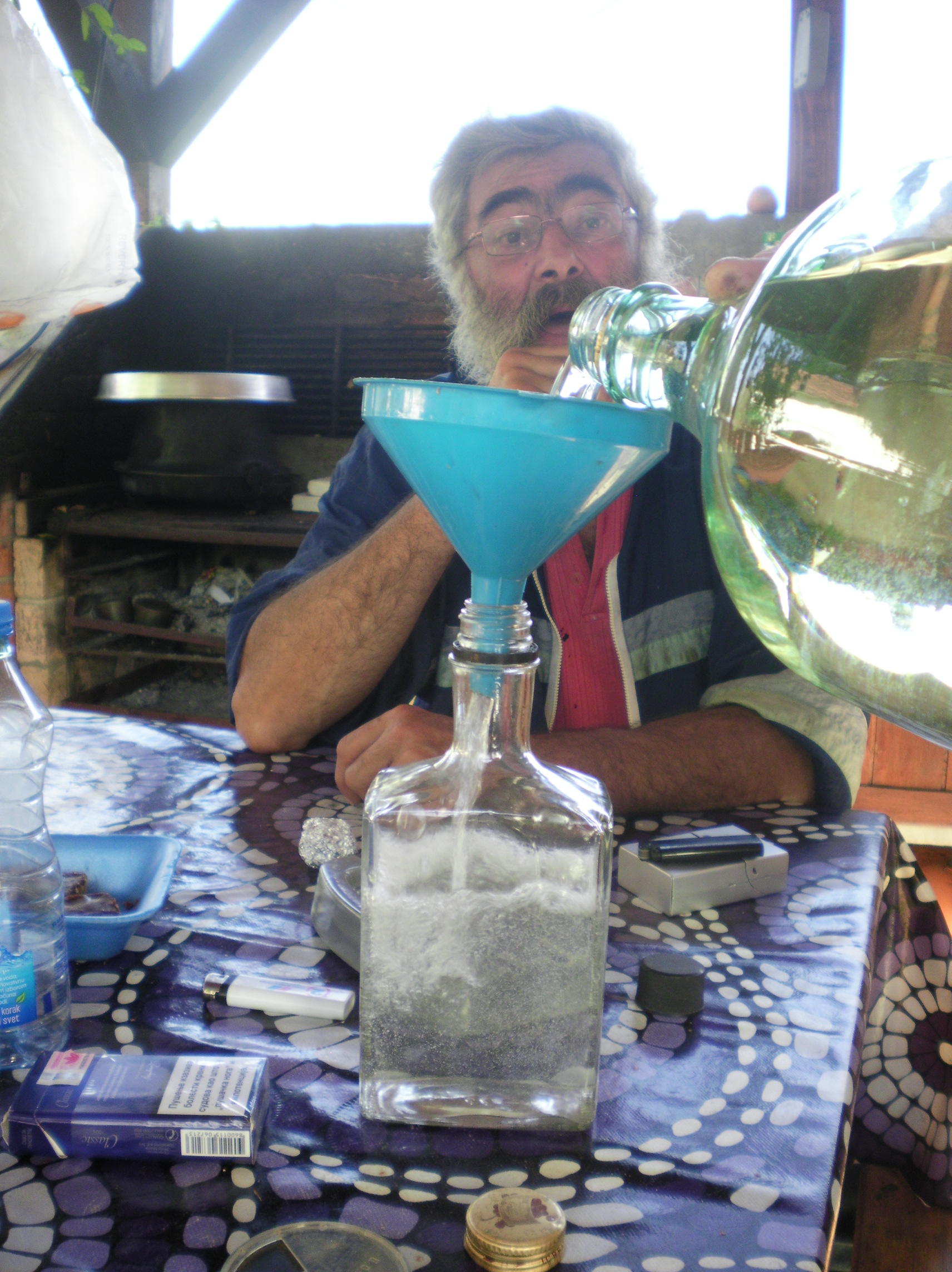
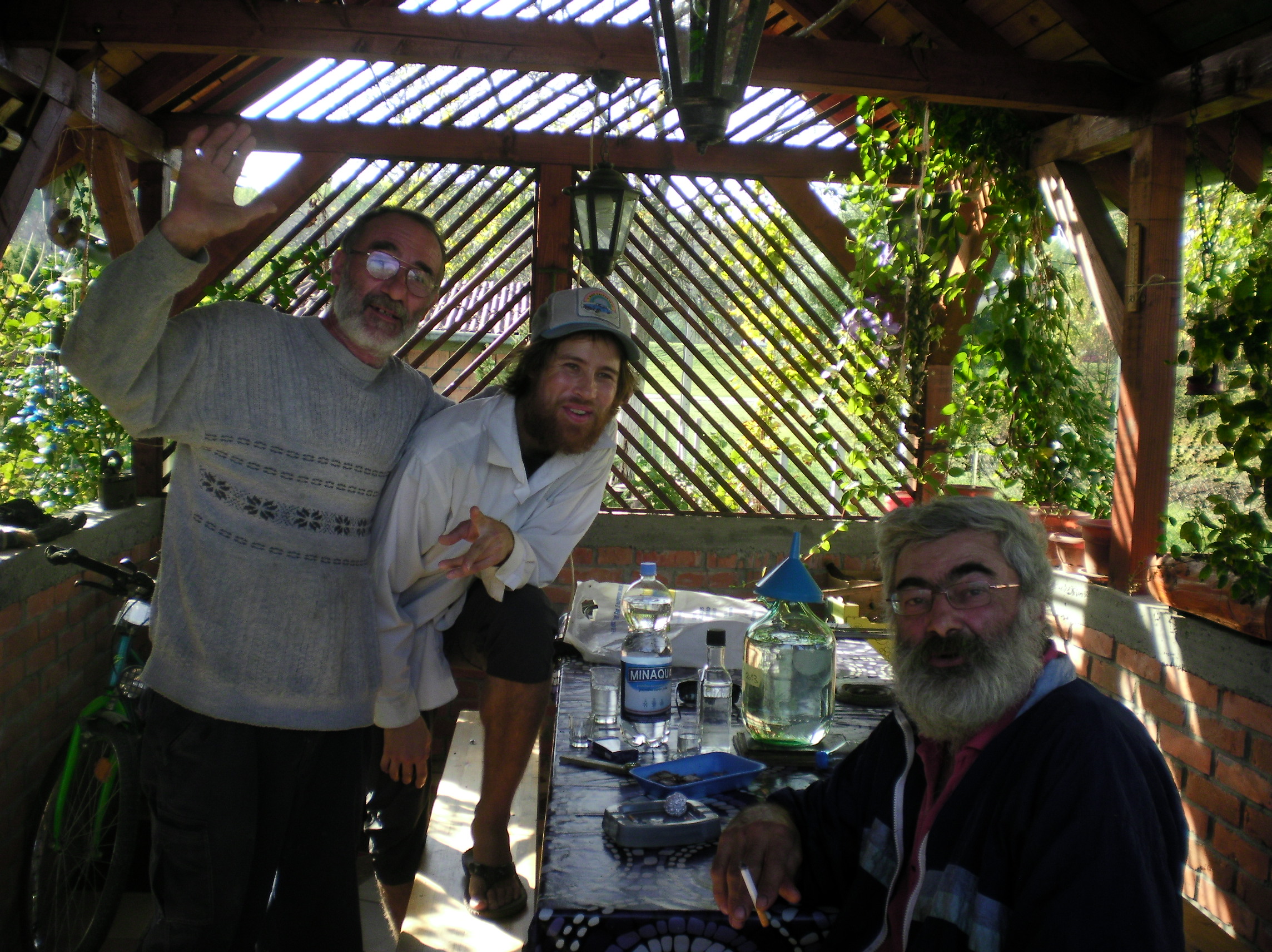
Upon arrival Constantine (Kole) pulled out a large glass gallon container of “Jabukovaca” (His very own plum brandy), and we toasted off the afternoon listening to Serbian folk songs. After a few hours, of partying I made an attempt to leave but notice that I could no longer stand up,  I also could feel the familiar salvia lubrication in my throat. I unsteadily paced to the river and spent about an hour puking and enjoying the grass by the river. Kole found me passed out on the grass and walked with me back to his house. He offered me his room and I slept for rest of the evening.

Jabukovaca, local distilled plum brandy

Jabukovaca, local distilled plum brandy

Tastes great but can also be used as motor fuel

Tastes great but can also be used as motor fuel


About 15 minutes before the world started spinning

About 15 minutes before the world started spinning

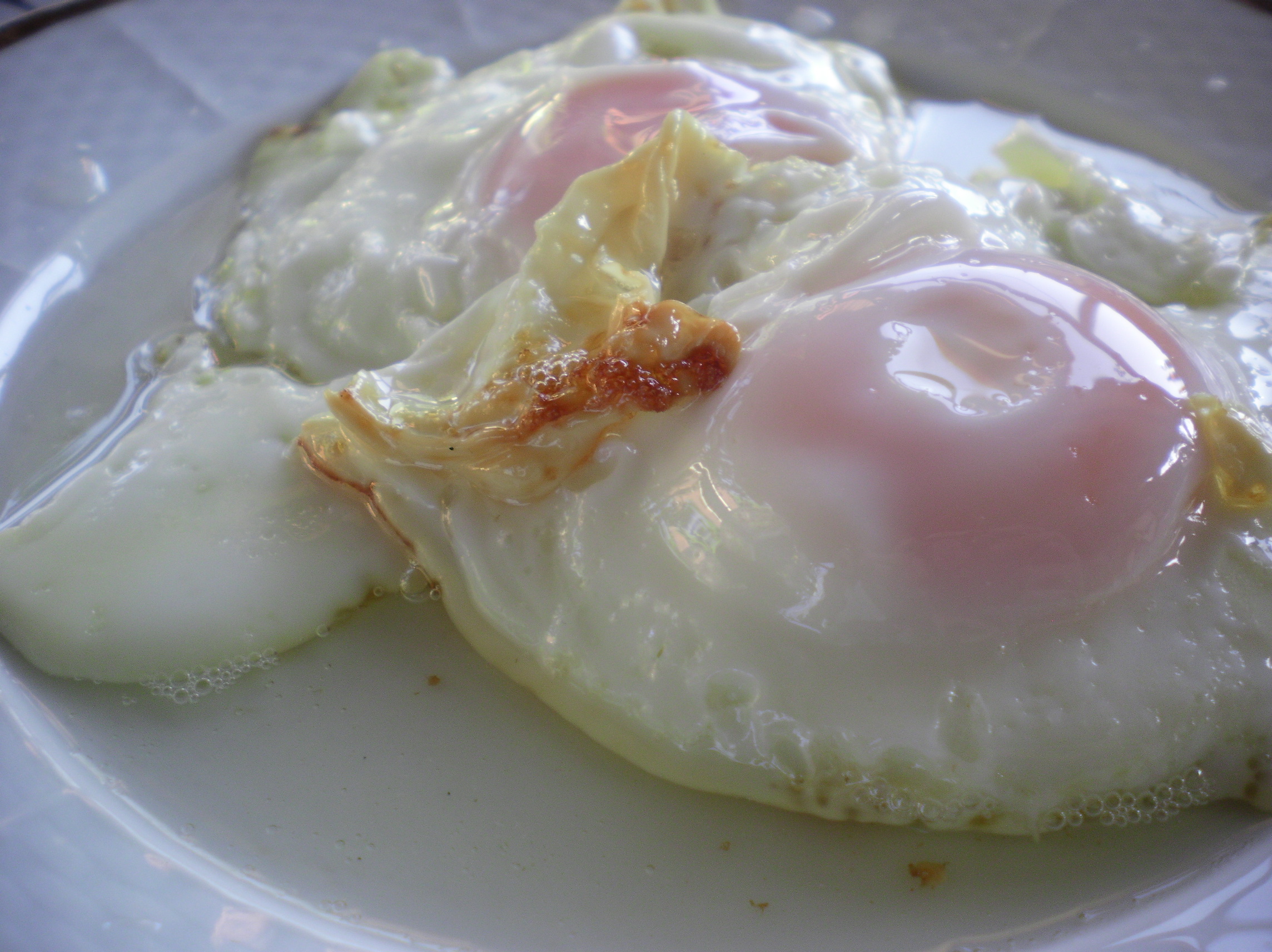
I woke up hangover free, and drank homemade tomato juice in the garden. My Ipod is now full of Serbian folk music, and Kole is now a big fan of African folk. International music exchange! Kole cooked me a breakfast of eggs and homemade jam and wished me luck on the journey.

Breakfast of champions eggs fried in bacon fat

Breakfast of champions eggs fried in bacon fat

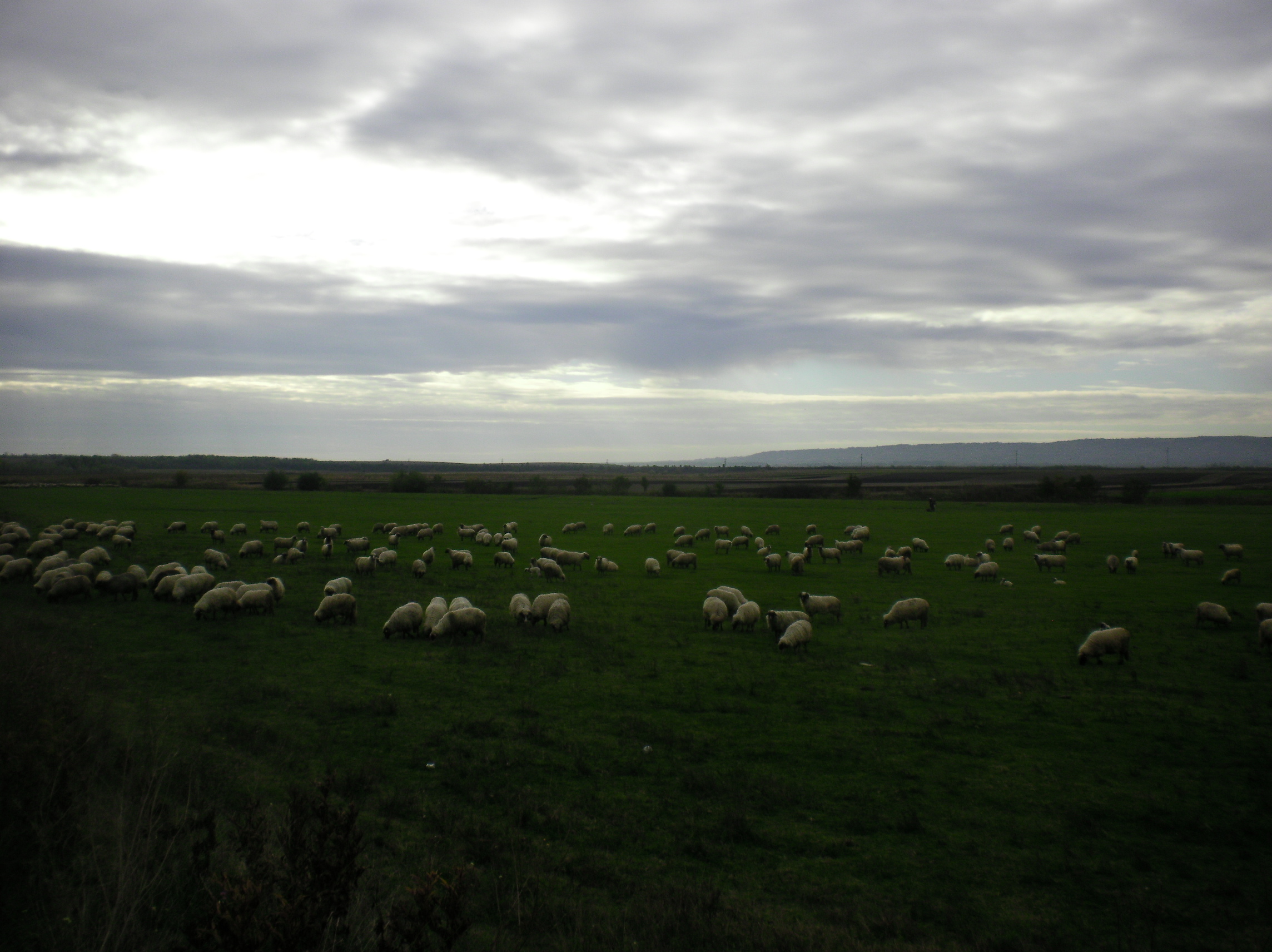
I am now in a small village about 30 km away called “Kovin”. The countryside is full of sheep and most of the villagers are either fishing or managing sheep. The weather is fantastic! During the day it is very close to 30 C, and other than a constant head wind conditions are ideal for sandals. I find the Serbia/Yugoslavian culture very interesting and I am finally getting the feeling that I am far away from home. With a huge Turkish influence on food, music and religion I thoroughly look forward to seeing the rest of Yugoslavia; Bosnia, Croatia, Montenegro and Macedonia.

The road to the Mediterranian and a Hindu Ashram

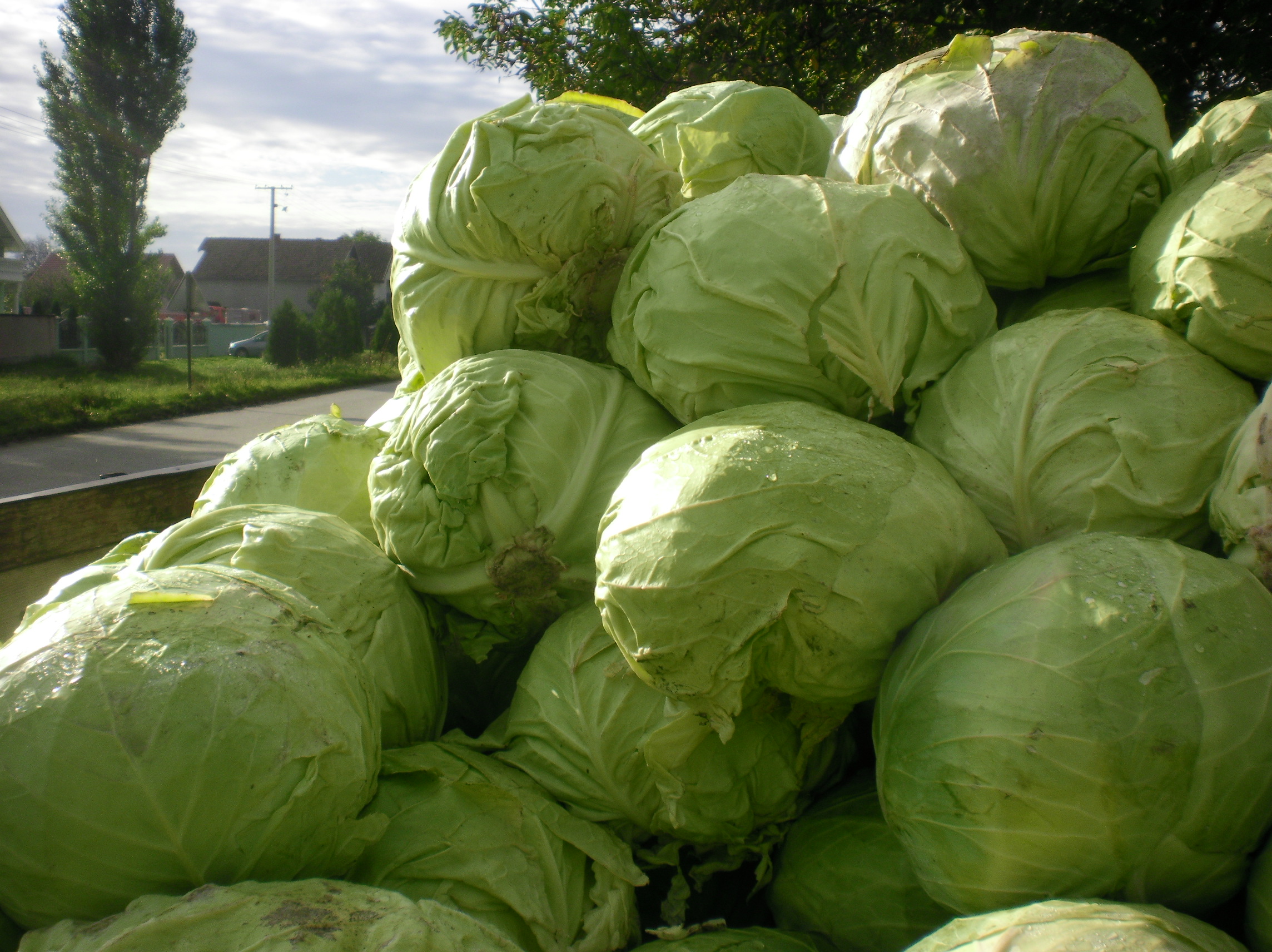
A cartload of Cabbage en-route to Belgrade

A cartload of Cabbage en-route to Belgrade

With a small spell of loneliness, I befriended a grape farmer in the southern Hungarian village of Szabadszallas. I had only cycled about 80 km, but was ready to stop for the day. Cycling near the center a nice man offered me grapes. We talked for a few minutes in broken English and Hungarian, and he offered me a camping space in his backyard. I set up my tent and cycled into the village to eat some local food. Wandering about on side roads in the dark I entered the community center, and walked in on a jazzercise class. More interested in me than the students the teacher informed me where I could find the only restaurant in the village, a small hotel converted into a pizzeria. Somehow my sausage pizza order was misunderstood for a breakfast pizza, and after a brief wait I was eating a pizza covered in runny scrambled eggs, and ketchup. Too hungry to complain I ate and felt comfortable in the warm evening.

Cotton in the country

Cotton in the country

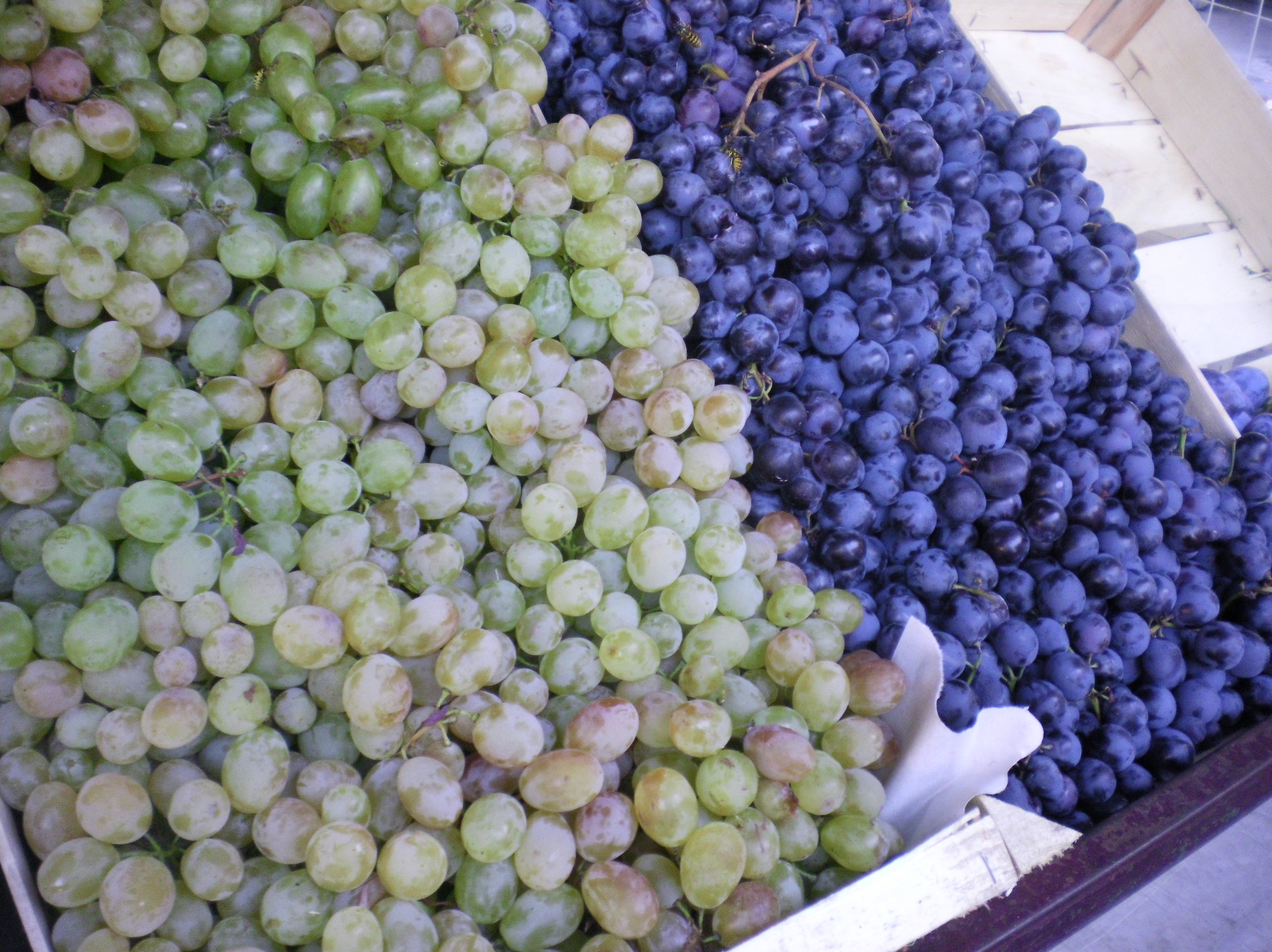
Hungarian grapes

Hungarian grapes

After 8 pm the village become a ghost town and I pedaled slowly passed the wild dogs back to my hosts house. Almost all night the bell in the clock tower would sound on the half and full hour. To my surprise I was camped within 20-30 yards of the tower, and found it a bit hard to sleep. When the bell finally stopped ringing the local dogs started barking and suddenly my stomach started to feel funny. Hmm, runny scrambled eggs cheese, dough and for desert a bit of yogurt, did my host tell me where the bathroom was? Not wanting to turn my fellow grape farmers backyard into a toilet I ran across the street into a cow Pasteur and joined my fellow mammals for a squat. Do the stomach problems ever stop?

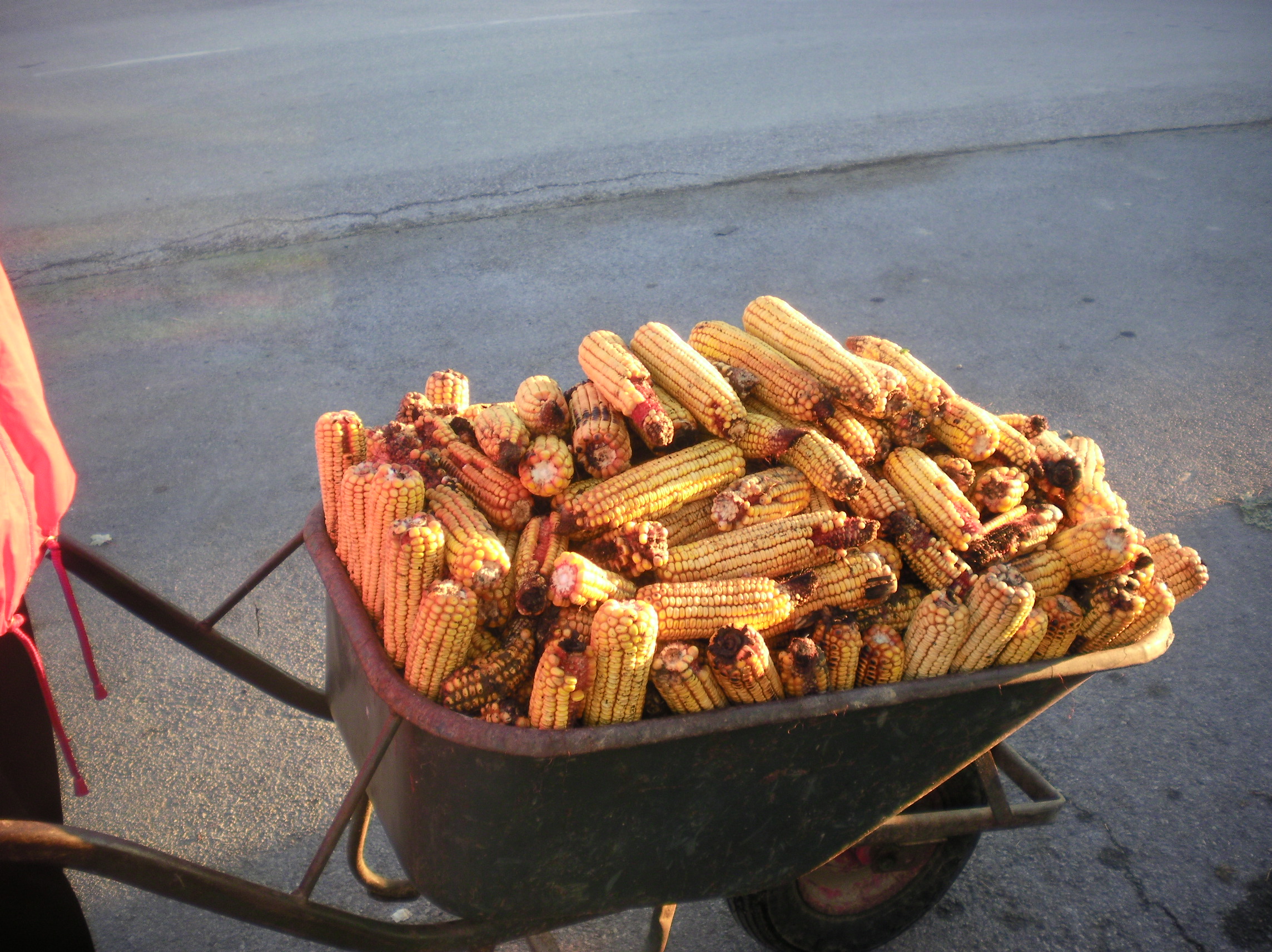
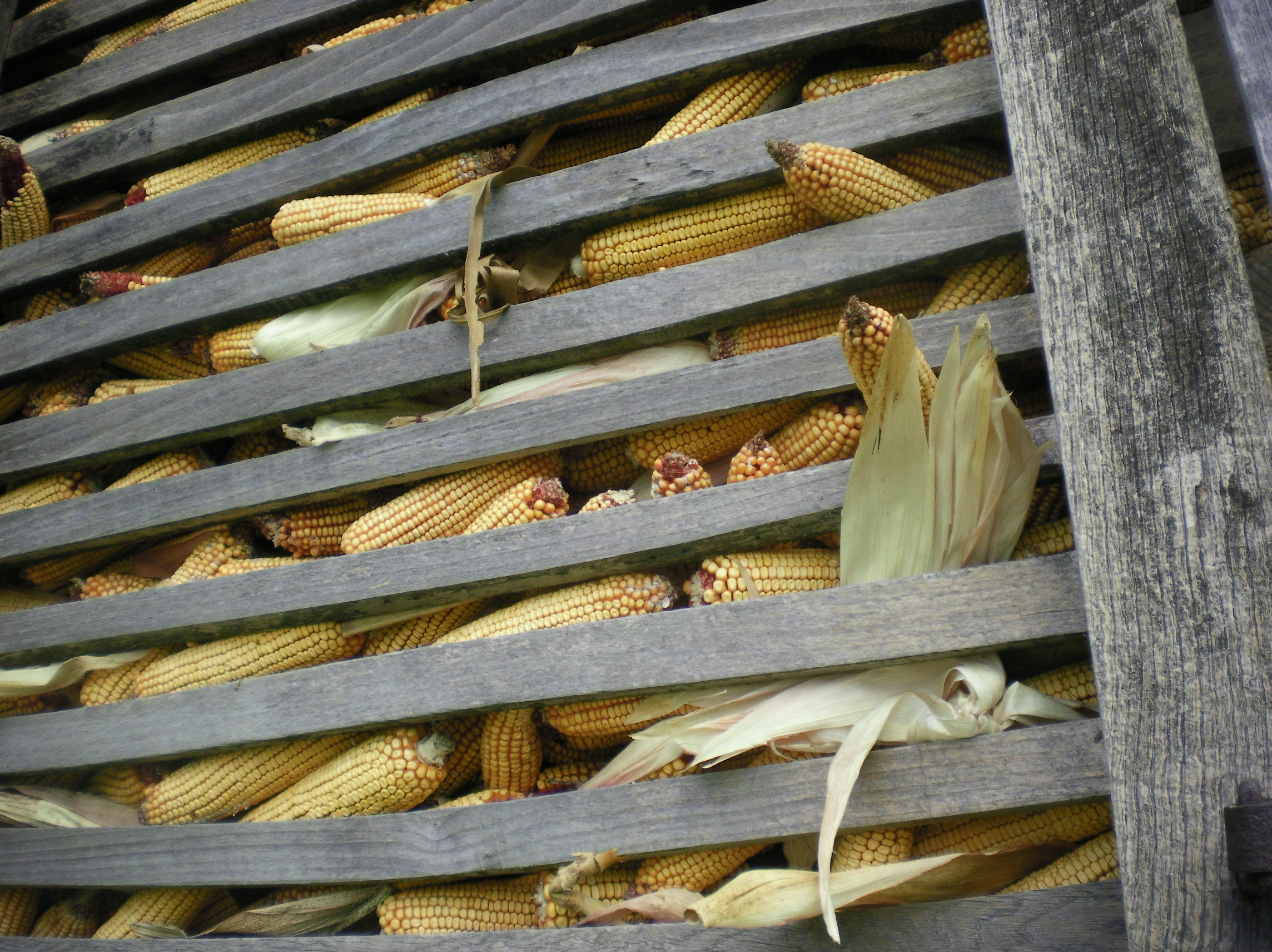
Tons of corn waiting the mouths of live stock

Tons of corn waiting the mouths of live stock

SANYO DIGITAL CAMERA
After a few hours of sleep constantly interrupted by doggie chorus or an uneasy stomach, I opened my eyes to a rainy morning. I said goodbye to my host, packed my panniers full of grapes and cycled south. A rainy but beautiful morning! My thoughts drifted past the wet, cold countryside, and found a peaceful rhythm in my pedaling pattern. I had spent the earlier part of the following evening listening to dharma talks and today I started working on my new meditative cycling practice (to be explained later). Grapes, muesli, and dry bread kept me going till the earlier part of the afternoon.

Sarva Shakti a great host at the Hindu Ashram

Sarva Shakti a great host at the Hindu Ashram

Pedaling into the small village of Forraskut, the left crank arm on Gaby fell off. Shit, somehow I managed to unscrew the crankarm bolt and now I could only pedal with one leg. A few km down the road brought be to a guitar repair shop, where I played them my favorite Nirvana song in drop D, “On a plain”. Afterwards they found the right tools to put everything back together. Upon inspection I noticed the arm was bent, creating tension on the bolt in the bottom bracket, eventually leading to the crank arm falling off. Have you ever heard of a bent crank arm? Just after leaving the guitar workshop I saw sign advertising a Hindu Temple,here in the Hungarian countryside? The Marpa stupa in Northern Hungary was also a surprise but I have learned that Hungary is a very spiritual place, and anything is possible. 5 km on a side road brought me to the Nadaflava temple, situated on about 50 hectares of wheat, corn and pine trees. With a guest house and all the open space there was only one person living at the ashram. Sarva Shakti, a very nice lady from Luxembourg, welcomed me and let me stay for a few nights. The first day I woke up before dawn, and walked to the temple for the morning meditation, the temple was warm and I fell into a nice comfortable state of concentration. It rained all day, and I enjoyed the peaceful ashram till the following day. I departed the Ashram before dawn and pedaled the last 40 km of Hungary to the Serbian border.

My Serbian friends from the Village of Zabalj

My Serbian friends from the Village of Zabalj

Cycling the main highway I found a line of cars, and waited for more than an hour, inching my way toward the border check. After a few stamps on my passport and a quick look inside my panniers I was free to cycle into Serbia. Compared to the Hungarians and Poles, the Serbians are extremely friendly. Constantly cars would pass, honk and wave. Farmers from the fields would wave and employees in the stores and gas stations would enquire about my heritage and journey. (It is often to hard to say no to requests and I often find myself drinking beers at every café)

The bridge connecting the New to the Old city

The bridge connecting the New to the Old city, Belgrade

I met some new friends in the village of Zabalj and spent the night drinking beers and eating barbeque pork. (At times it is so nice being a foreigner, everyone is happy to meet you and eager to learn about the land you call home). Hung-over and sleep deprived I said goodbye and I pedaled the last 80 km to Belgrade. A very busy and extremely bike unfriendly city Belgrade has a very eastern feel. Departing from the American pop music constantly played in Northern Europe, Belgrade has lots of live middle eastern influenced music.

Old city building

Old city building

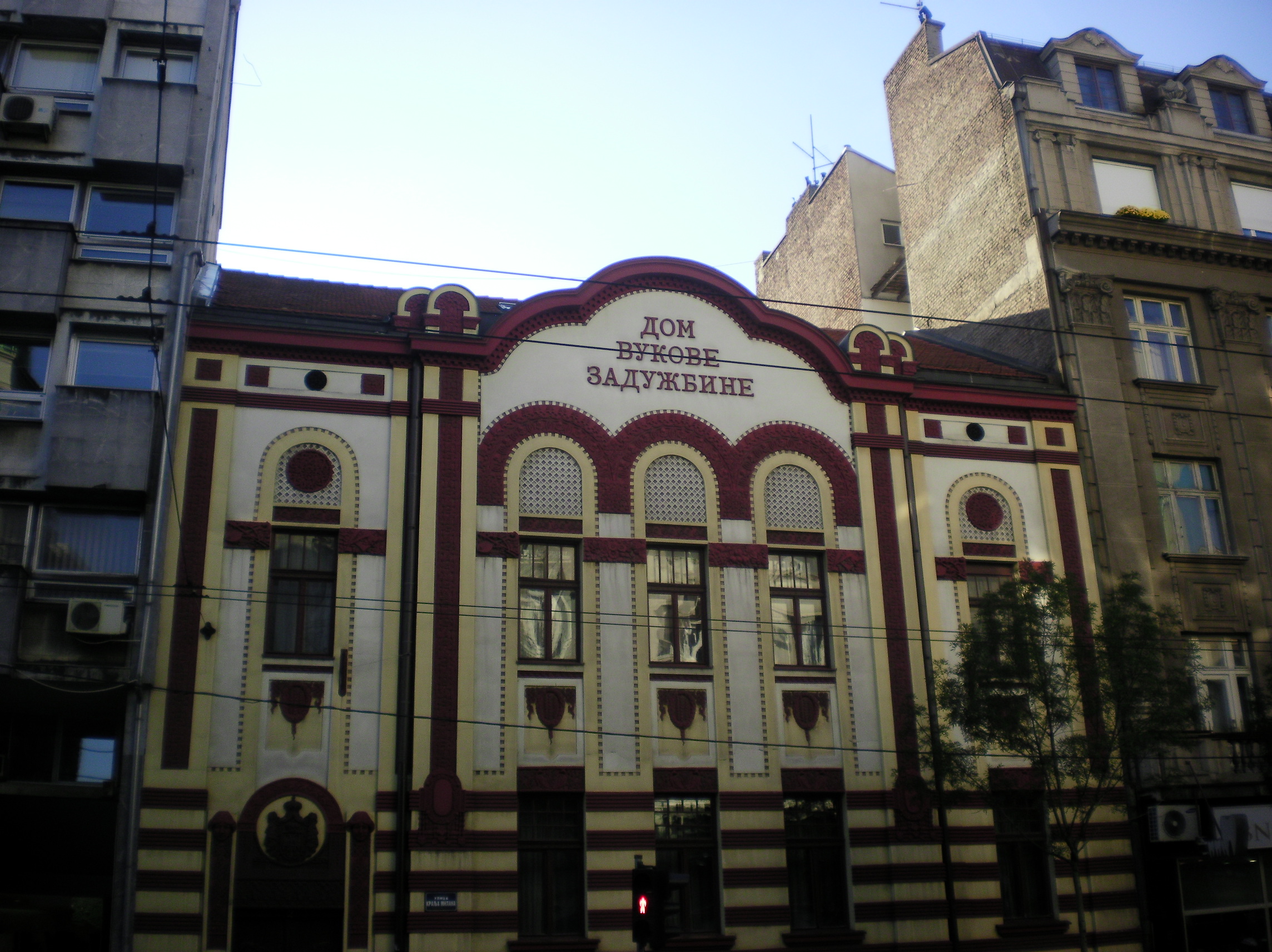
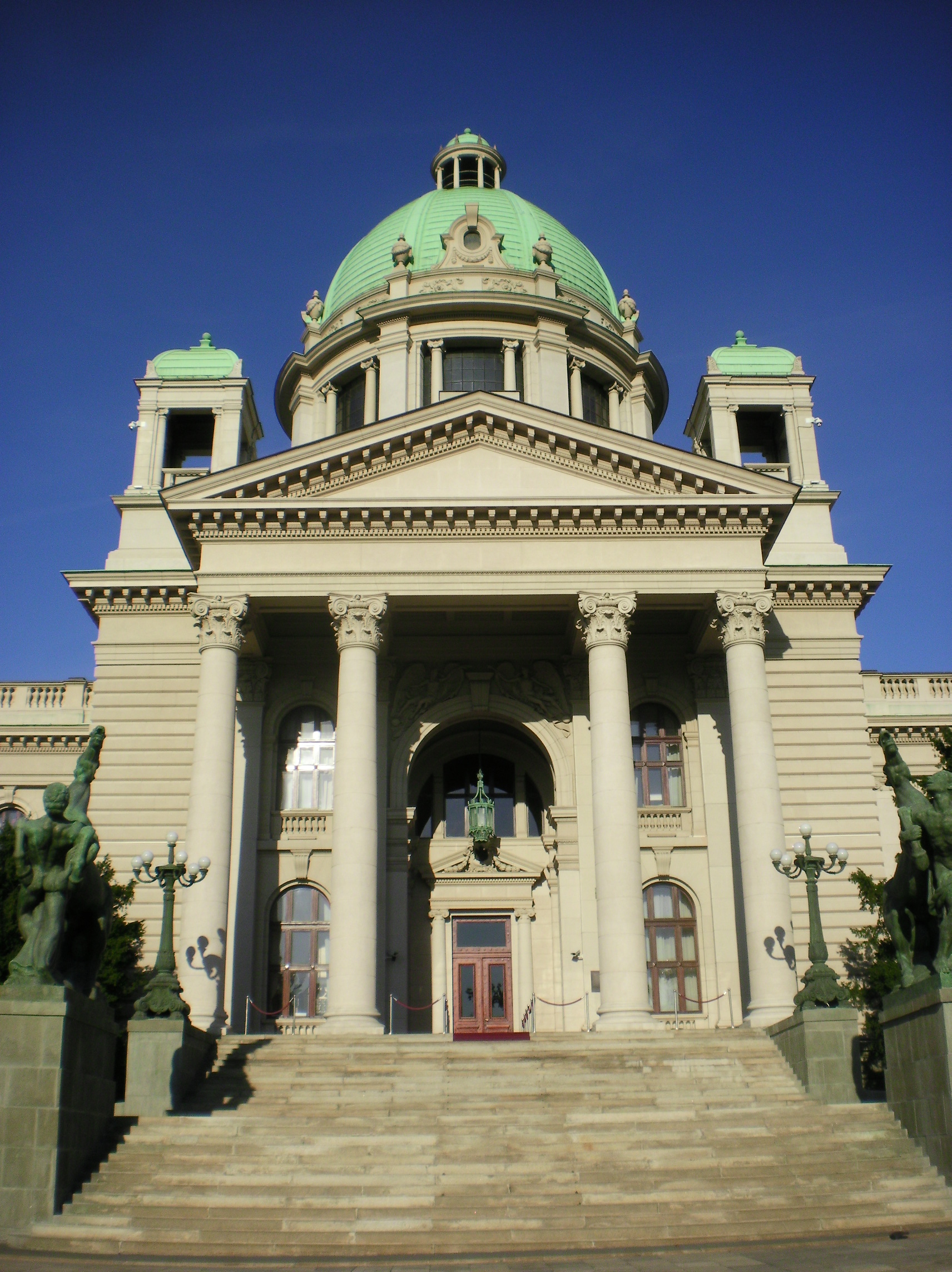
The city center, a very Santa Monica like Promenade, is packed all day with tourists and locals shopping in strip malls and department stores. The smell of roasted pork and spiced meats permeate the narrow alleys and pedestrians fight for space on the small sidewalks packed with parked cars. The city is broken into two districts the old city, located on the eastern side of the Sava river, and the new city on the western side. Several early 20th century buildings located in the new city were bombed during the Kosovo war, and they remnants remain as a symbol and a reminder of the war. I stayed in a full apartment with two other cyclists, Fanny and Bolaj, a European couple from France and Hungary and the residents Alex and Milica.

Serbian Gibanica, Filo dough, butter and cheese

Serbian Gibanica, Filo dough, butter and cheese

City Center, Belgrade

City Center, Belgrade

Although extremely hospitable I spent the two days on the sidelines, not quite feeling like the piece that fits. I cycled around the old city and viewed the Danube river from the top of ancient castle walls. I wandered through the small alleys and ate roasted pork with the locals. Bolaj and Fanny have been great travel companions in the city and in a way I envy their companionship.

Bolaj and Fanny

Bolaj and Fanny

One can become rather selfish spending so much time alone, and these qualities become more apparent when spending time with others, or maybe its just hard being the third wheel, either way we spent the weekend together in the city.  From Belgrade, I am headed to the Romanian border where I will cycle the euro-rail 6, a fantastic bike route along the Danube river, to the Djerdap national park. From Romania I will circle back north through Serbia and follow the Bosnia/Serbian border to the Tara national park and on to Sarajevo the capital of Bosnia. Still unsure about where to spend the winter, I now have all the pieces to my stove and a beautiful new tent thanks to the Klinefelters. I will write again shortly.  – Julian

Travels continue: Slovakia and Hungary

SANYO DIGITAL CAMERA

It is quite odd cycling through smaller countries. After leaving Poland, I spent three days in Slovakia. Just enough time to learn how to say “hello”, “thank you” and finally “good-bye”. Unlike Poland where I spent over two long weeks cycling from village to village, there was only one large city on my route through Slovakia.

SANYO DIGITAL CAMERA

SANYO DIGITAL CAMERA

A small country, Slovakia is tucked nicely between Poland and Hungary has over 500,000 Gypsies, 10% of its population. In Brezno, the largest city I visited, Slovakians were the minority. Two mountain ranges sprawl from north to south, and each day I would climb pass after pass and cycle through long fertile valleys. Compared to Poland, which pretty much had the same landscape throughout, Slovakia was a much-needed escape from the mundane rural villages, and endless feral dogs.

SANYO DIGITAL CAMERA

Definitely the most beautiful countryside I have seen since Scandinavia! Rolling hills, streams and thick dense forests filled with leaves of all colors. Some of the valleys were flooded with dense fog and at night it would drip from the leaves onto my tent like rain.

"Sound of Music" country

“Sound of Music” country

First encountered Stupa, Becske, Hungary at Tibetian Buddhist retreat center

First encountered Stupa, Becske, Hungary at Tibetian Buddhist retreat center

After three days of endless climbing my spirits soared as I crossed the Hungarian border. Exchanging money is a major burden! To buy anything outside of a grocery store chain, cash is the only acceptable form of payment. However when it is time to exchange currencies only paper currency is accepted, no coins! By the end of the trip I will probably have over $20 US dollars in coins of all countries! It was a short ride from the border to Budapest, the ancient capital of Hungary. Departing from country roads I cycled the last 50 km on a trans-country highway and held my breath while being passed by countless semi-trucks and cars pulling trailers.

Entering Budapest

Entering Budapest

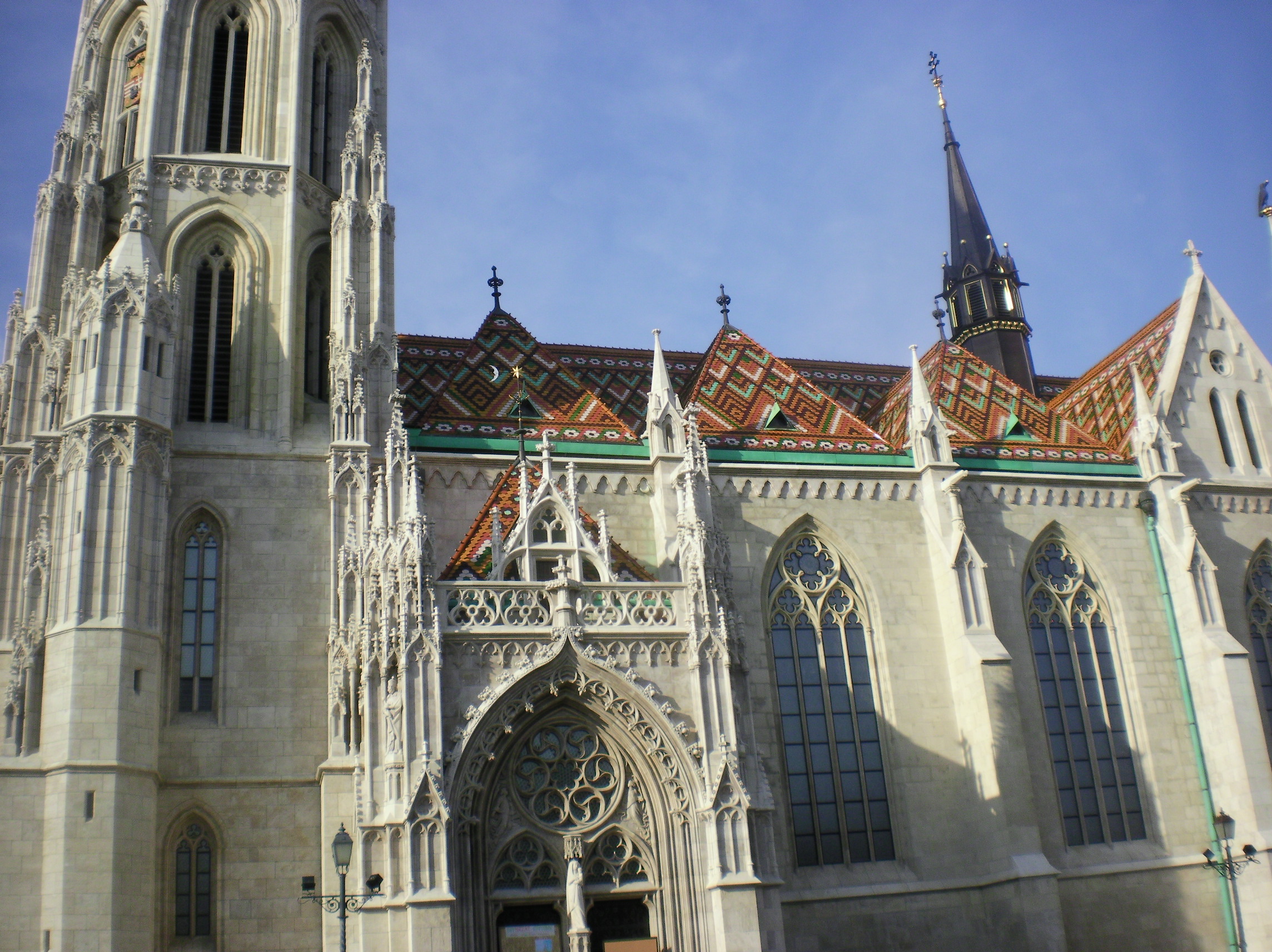
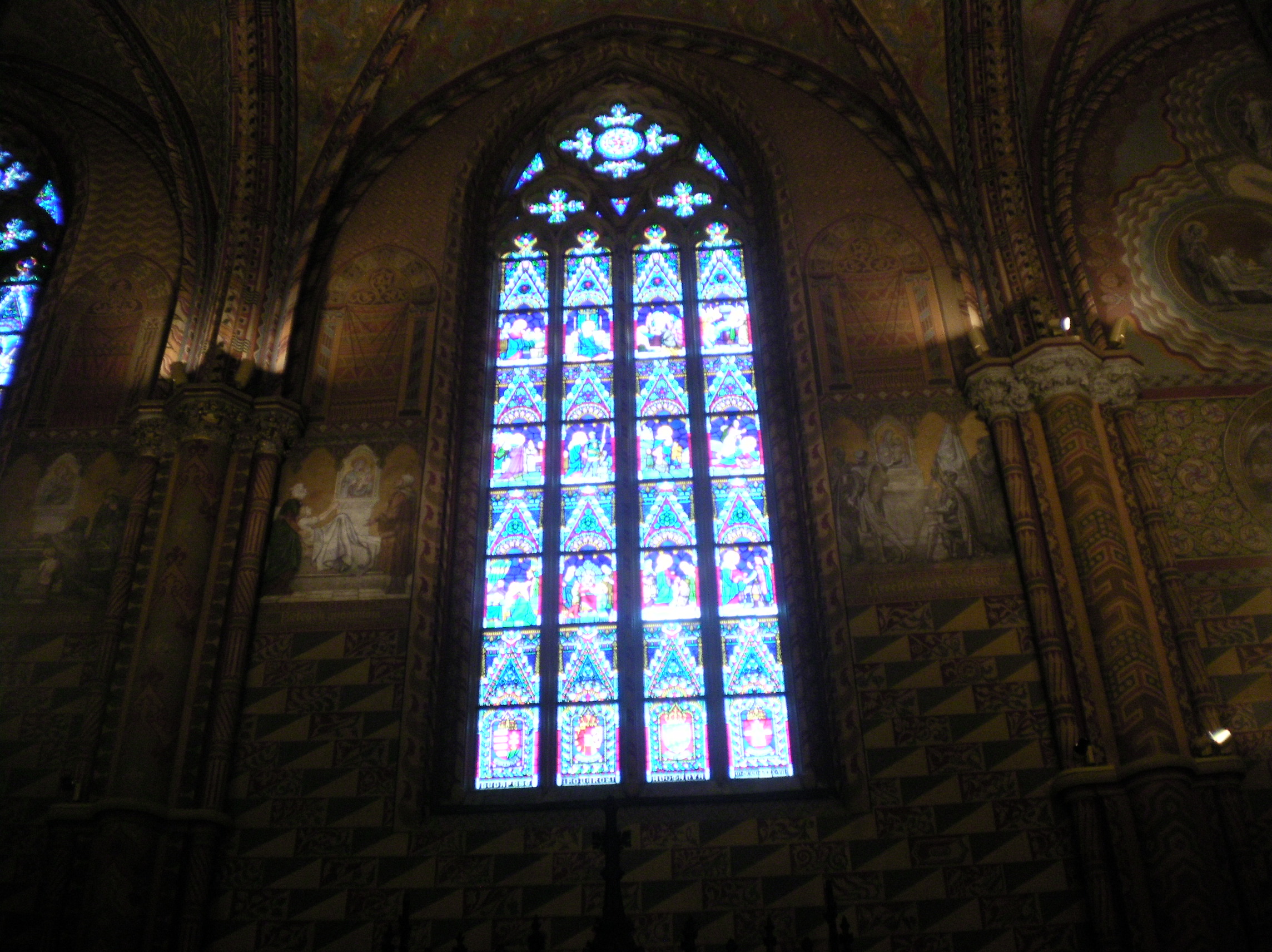
Matthias Churce

Matthias Church

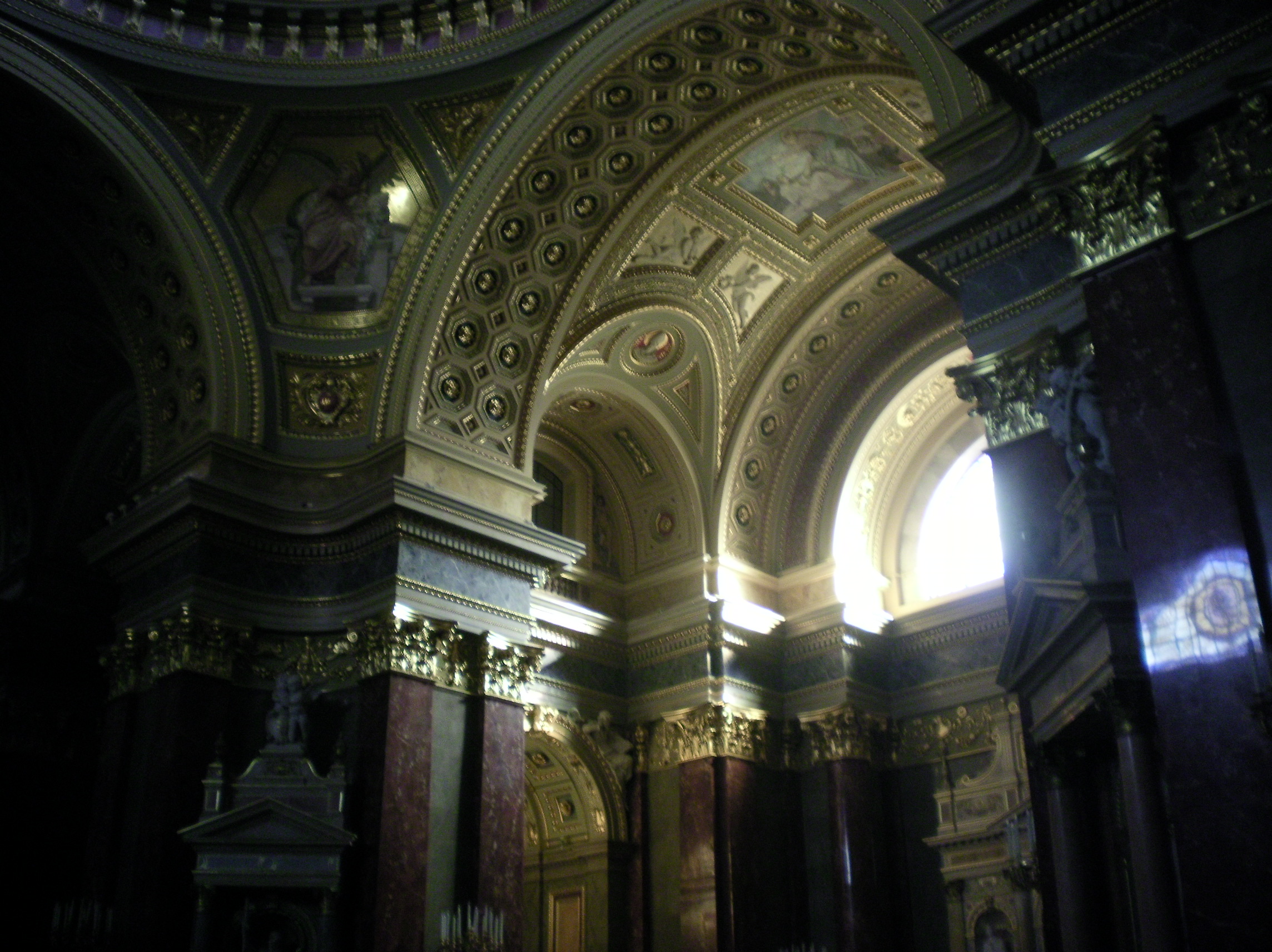
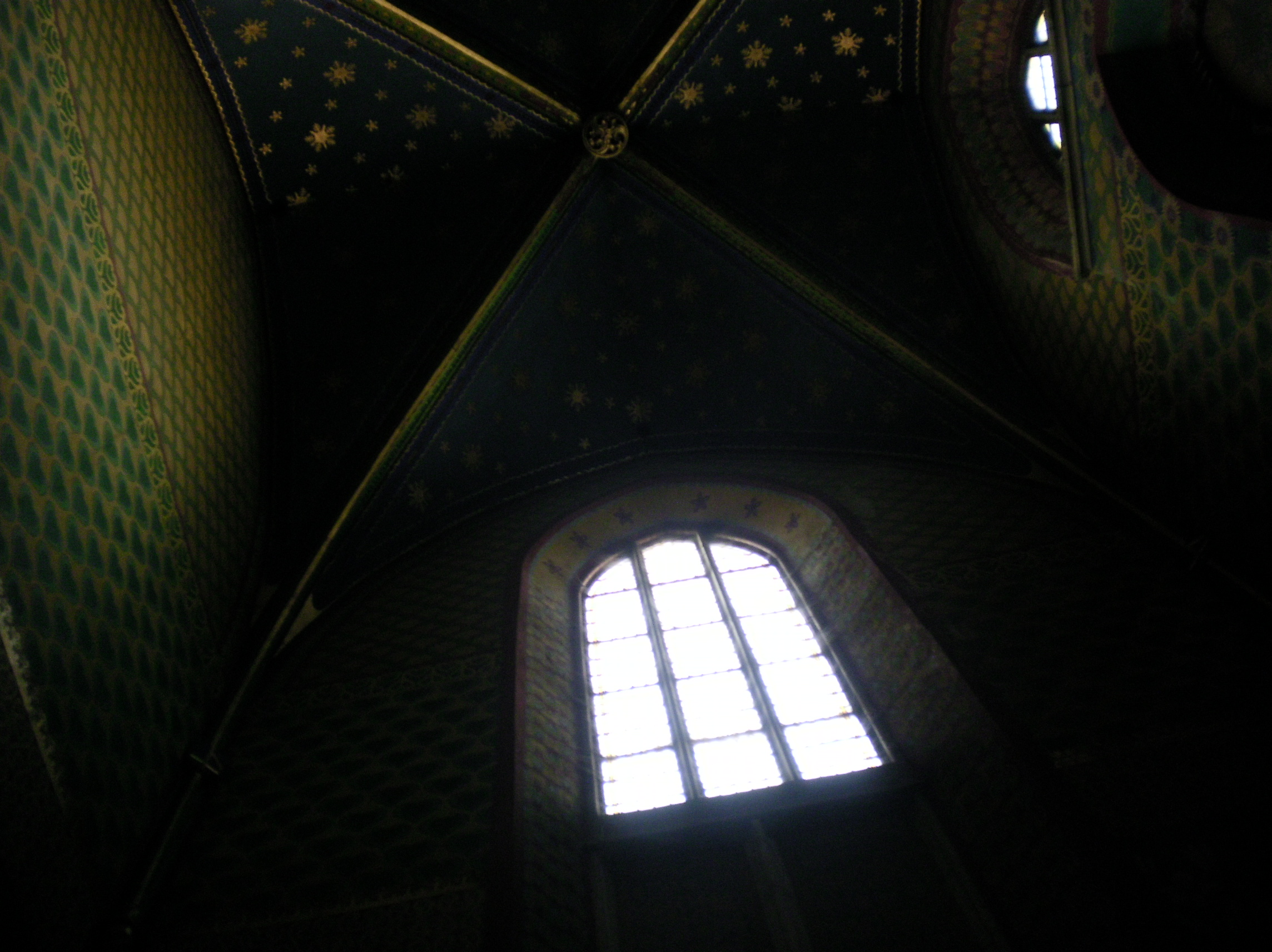
Inside

Inside

 
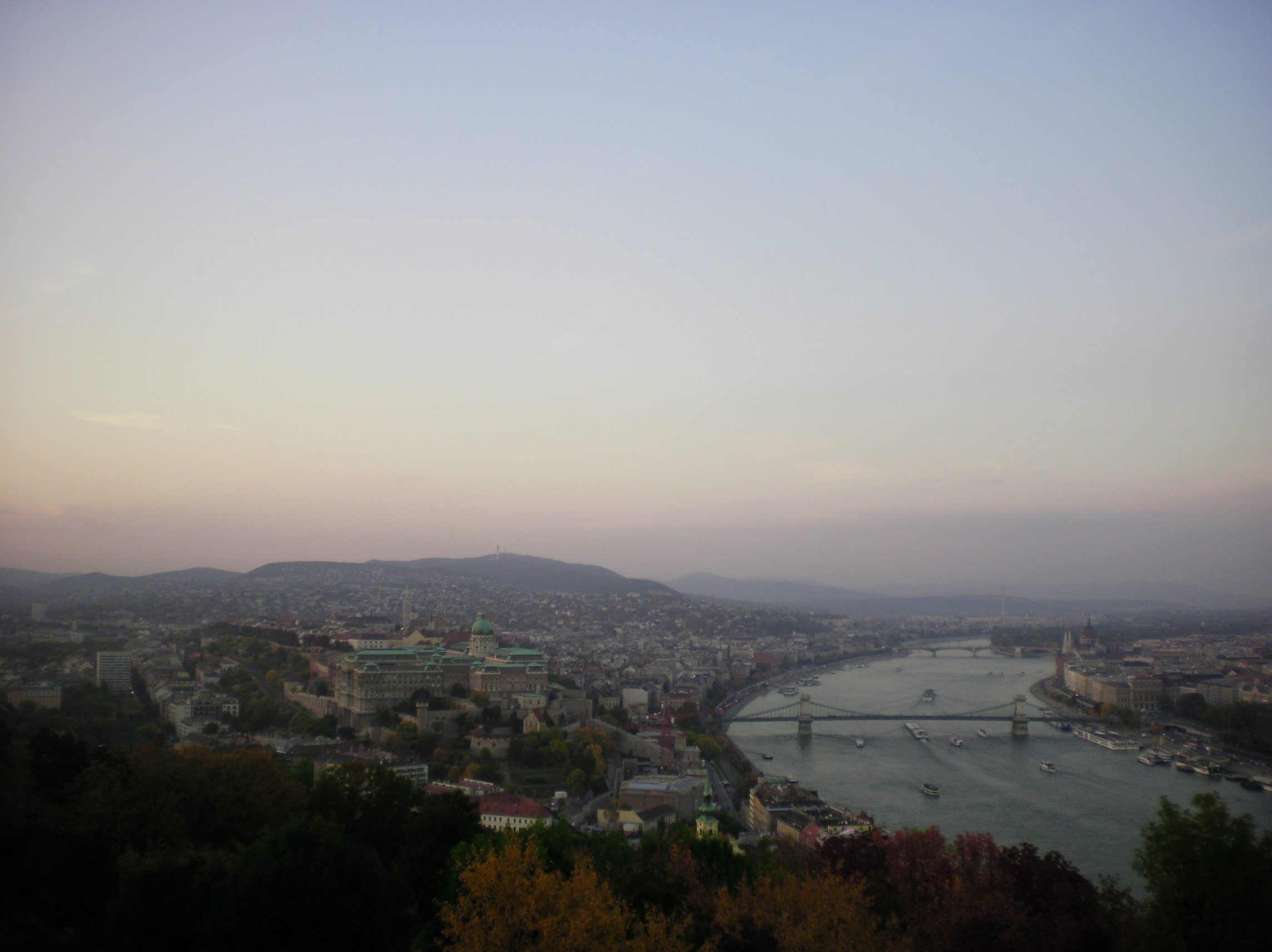
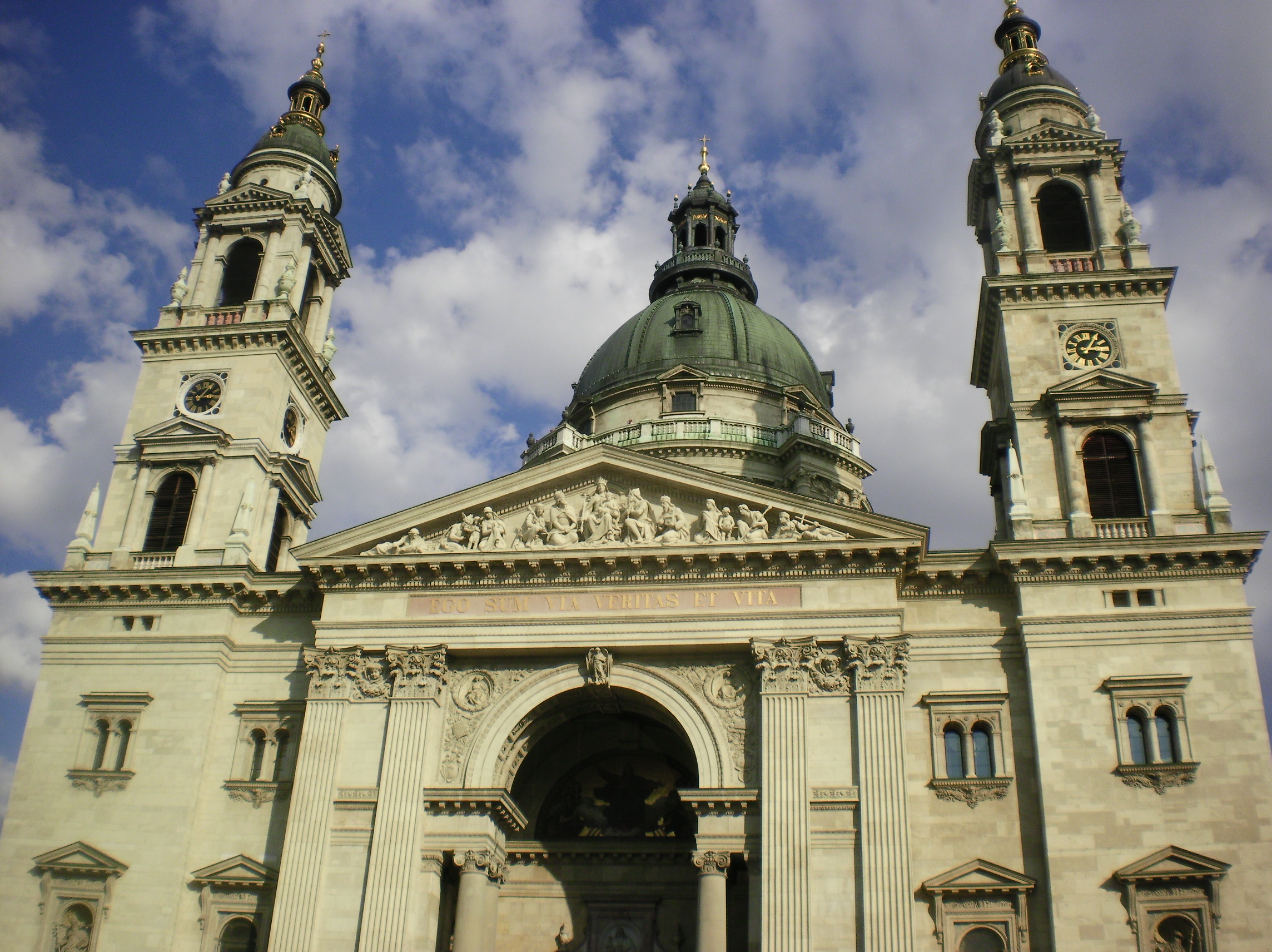
Budapest is the largest city I have visited so far in Europe. Over 20 districts and 2 million people inhabit the urban sprawl. In ancient times the city was broken up into two separate cities Buda and Pest, and the Danube river was the boundary between the two. The cities were united in the late 1800’s, and it became the capital of Hungary. Known as “the Paris of the East” there were so many sights that it was hard to get around to them all. There were at least two of everything castles, famous museums, holy Churches and many other obscure attractions like the mummified hand of St. Stephen.

Hungarian Disney Land, this is the second castle of Budapest located North of the Danube

Hungarian Disney Land, this is the second castle of Budapest located North of the Danube

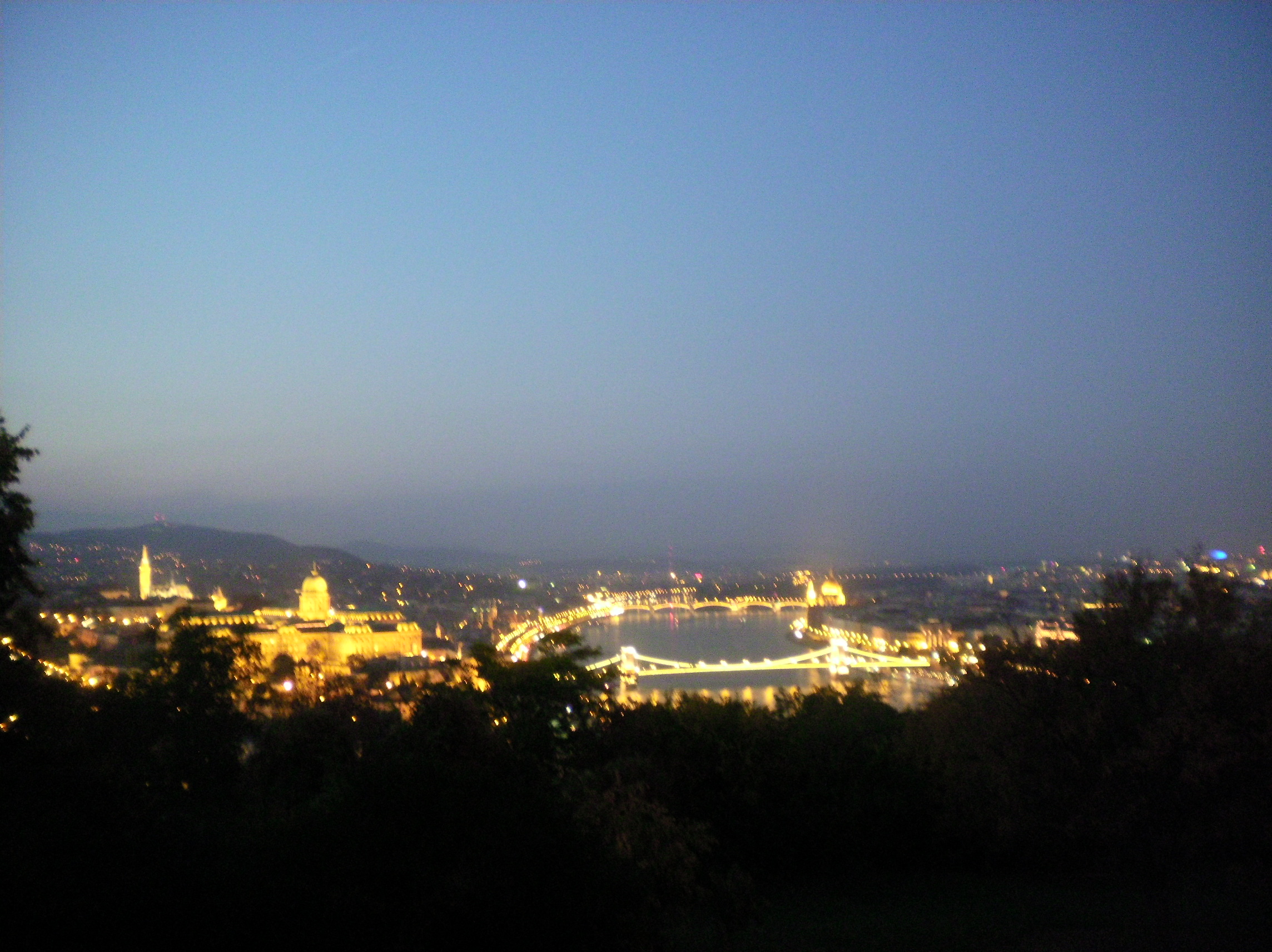
I spent two days cycling through the city, and thoroughly enjoyed the diverse culture and architecture. Half the city was under-construction and the other half was packed with tourists, what can one expect while visiting the 4th most popular city in the EU. At night the city is literally “plugged in” and lights trace the contours of the famous monuments.

SANYO DIGITAL CAMERA

St. Stevens Basilica, where the mummified hand is located

St. Stevens Basilica, where the mummified hand is located

Inside the Basilica

Inside the Basilica


Second largest Synagogue in Europe

Second largest Synagogue in Europe

I have noticed that the culture is slowly becoming eastern. Many of the attractions had Turks selling rugs and quilts, and lots of spices and eastern cuisine sold on the streets and in the market place. Lots of Kebab, the cheapest and fastest cuisine available on every street corner. Sometimes the roasted meat is wrapped in a tortilla other times served inside a gigantic “brain-sized” bun. It is nice to have warm food and I am a bit eager to arrive in Belgrade and get my stove working again. Hungary marks my departure from the EU, Serbia, my next destination, is about 200 km south of Budapest, and lies outside of the Union. It will require a separate visa, issued upon arrival but the country will allow me to stay for 90 days unconditionally. My health is overall much better, and I have been consuming lots of sauerkraut, available at every grocery store, (sold in bulk) and yogurt to replenish my lost intestinal flora. I am off to the road again, and will write from Belgrade.

SANYO DIGITAL CAMERA

Intestinal Parasites in a Polish Village

SANYO DIGITAL CAMERA

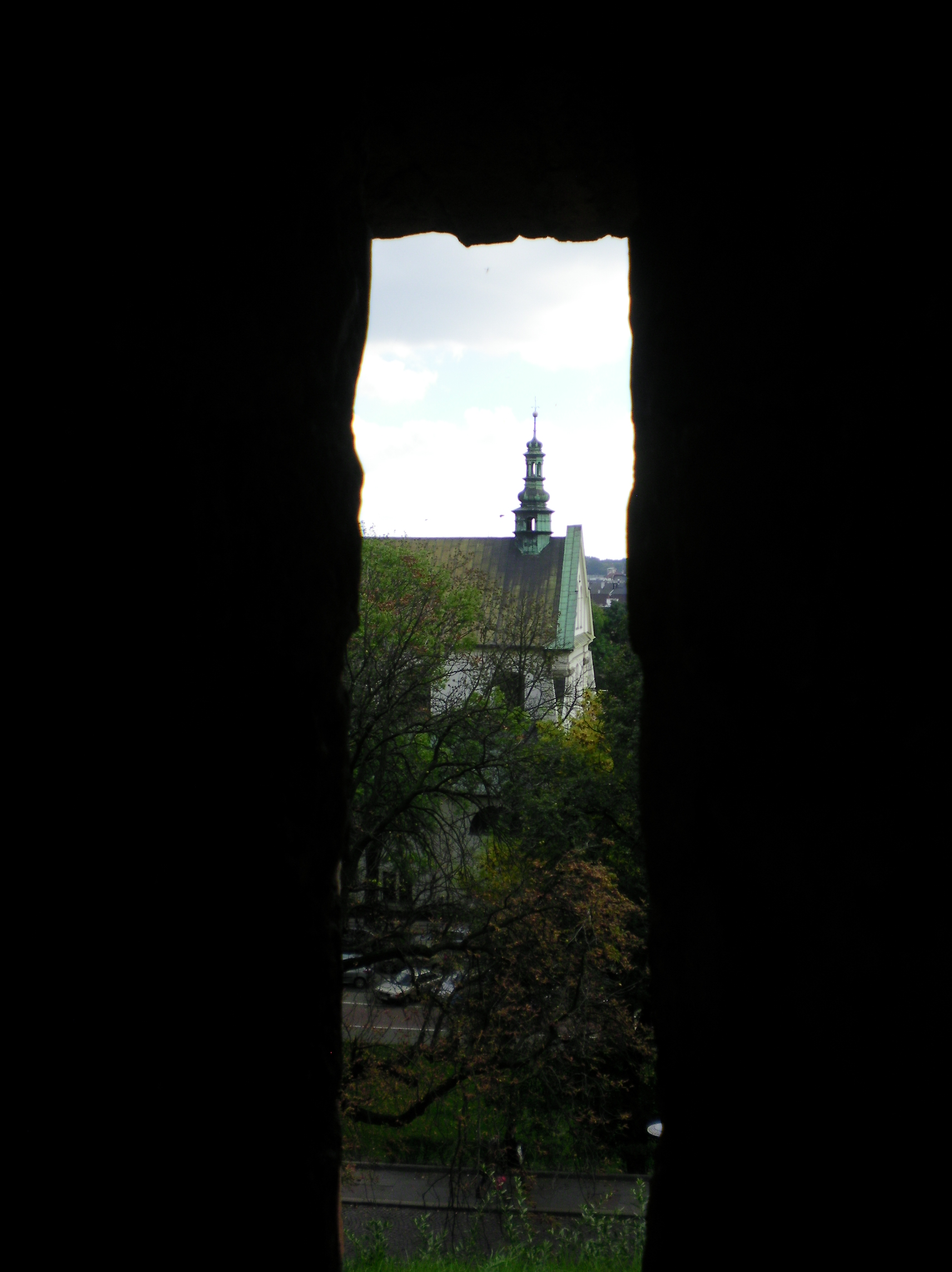
After leaving Krakow, and riding about 20-30 kilometers I was struck with a high fever and a terrible stomach pain. In Dobczyce, a small village just outside of Krakow, I picked up some water, aspirin and headed to the nearest forest for sleep. I found a nice, quiet stream bed and set up for the night. Temperatures dropped below zero, and I spent most of the night excreting in a small hole. Toilet paper quickly ran out and I resorted to washing with ice-cold stream water. On several occasions I would just start warming up in my sleeping bag and my stomach would groan. Back outside, into the cold dark to expel a watery stool, in a shallow hole.

View from stream bed near the lake where I was cooped up for two long nights

View from stream bed near the lake where I was cooped up for two long nights

The next day I was too weak to pack up, or even do anything but lie in tent. Without food I figured that my stomach would easy up, but it seemed that all waste was now channeled through my intestines. After another long night in the cold, and the onset of abdominal pains I decided to leave the stream bed and find a place to sleep indoors. I found lodging above a restaurant in the center of town, and quickly felt spoiled with a flushing toilet and shower.

Dobcyzce castle just in walking distance from my room

Dobcyzce castle just in walking distance from my room

After much rest, close to three days now, I continue to have constant diarrhea sometimes with blood and mucus(sorry to be so graphic). The abdominal pain has also not gone away, but seems to be getting a bit better. With tomorrow being Monday I am heading to the nearest Dr. in hope of getting some more lovely antibiotics. I have not been completely bed ridden but more likely bathroom bound, almost every hour I get the stomach pain and there better be a bathroom close, or some sort of foliage.

Church, view from my room

Church, view from my room, (very similar to Black Sabbaths debut album)

I have done a bit of exploring in the village. The window in my room faces the church and I can hear the choir sing in the evenings, beautiful Latin psalms, and sometimes devotional polish hymns. Last night, the who village gathered for a wedding in the church, and the reception was in the restaurant below me. All night a band polish fiddle band played and friends and family danced. Other than that I have been sleeping and reading. This is the most I have been off my feet in a while and I hope to get some good information tomorrow. I will keep you posted


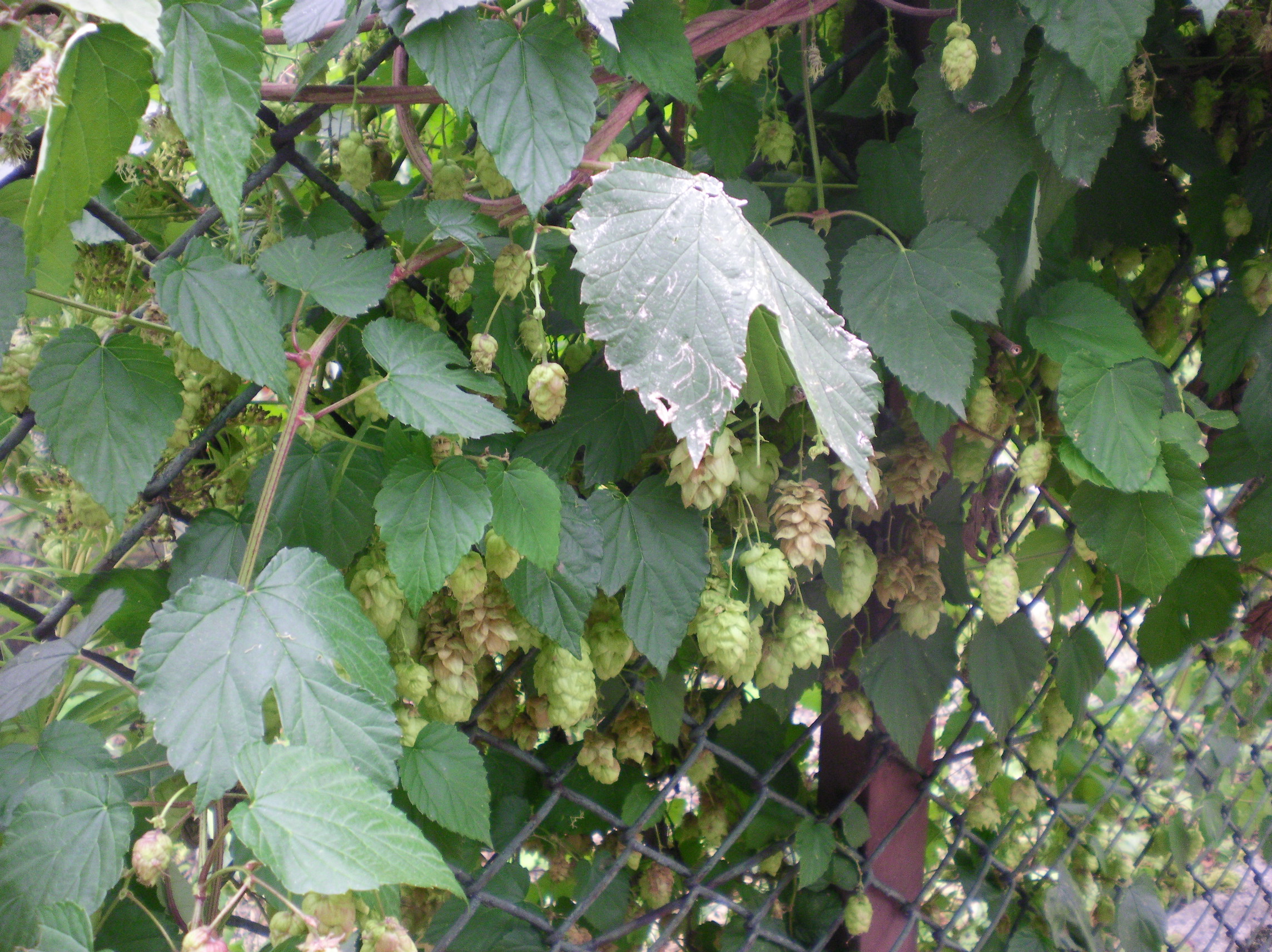
Polish hops

Polish hops


Lithuania, Poland, and an expiring Schengen visa

Quote

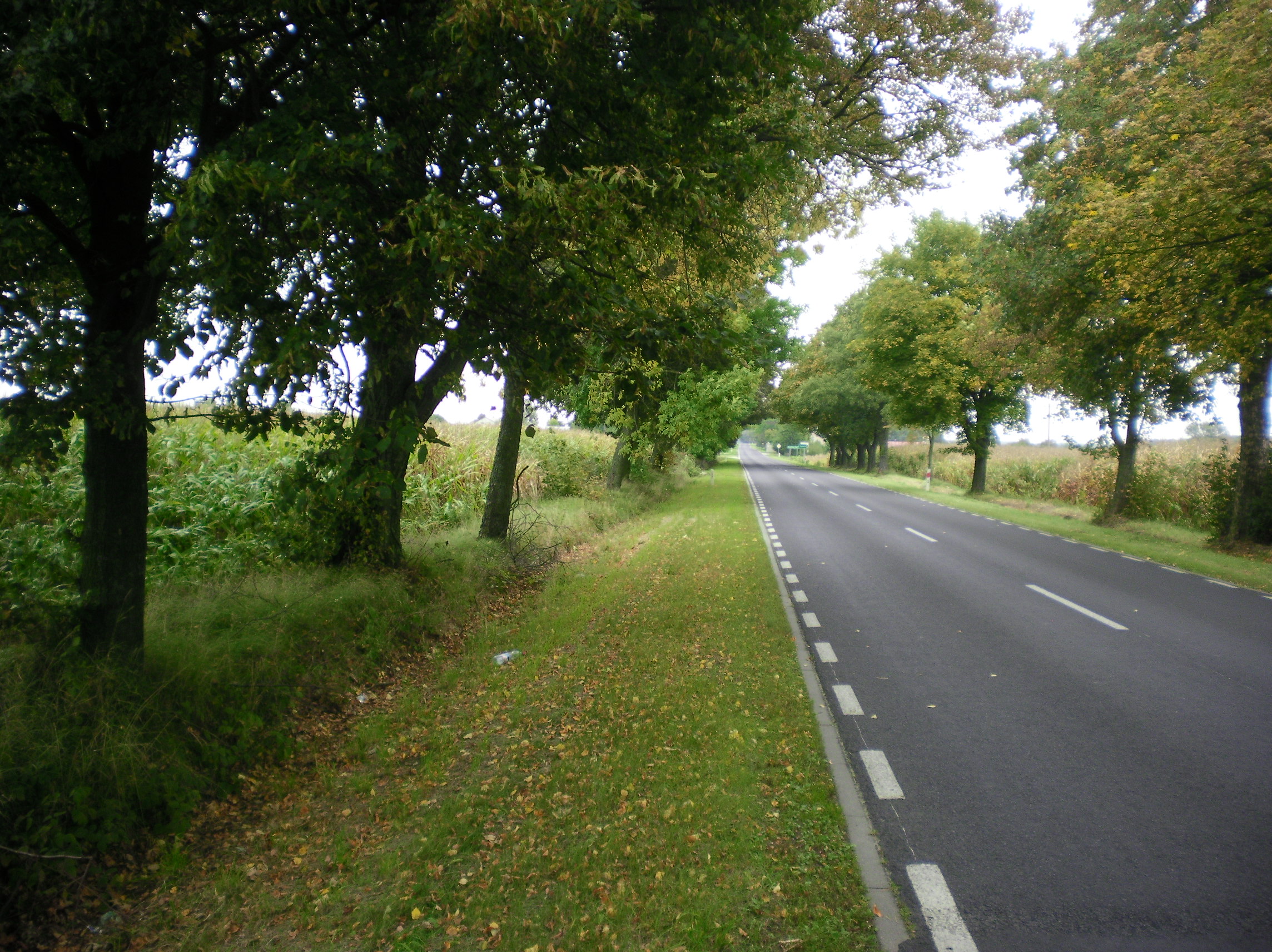
A rainy Polish countryside

The wet and rainy Polish countryside

Sorry for the temporary hiatus! I have literally spent the last two weeks in the countryside away from an internet connection. The countryside has not changed much, acres and acres of corn, potatoes, apples and recently in the south tobacco. I have been lucky to find plenty of wild camping and I often greet the local mushroom hunters in the morning. Fall begins! The temperatures at night have already dropped below 0C, and I have spent almost everyday in the rain.

SANYO DIGITAL CAMERA

My Schengen visa, which grants 90 days of travel in all of the Schengen zone, is quickly expiring. As of today I have four weeks left in the Schengen zone. I am planning a winter Italian cycling trip so the quicker I get to the Serbian border the better. I have changed my route yet again and am heading directly south to avoid the frost. Today I will depart Krakow, Poland and will continue through Slovakia, Hungary, Serbia, Bosnia and Montenegro (where I will have reached the Mediterranean sea)!.

Its almost Halloween

Its almost Halloween

A crash course in Polish would have been nice before cycling through the villages and farm country! It was very rare that I encountered an English speaker and the Poles have a tendency to keep to themselves, meaning things got a bit lonely. There was one particular night when I camped in a stinging nettle forest, in the middle of a big storm. I was at least 10 km from any other human and I spent the whole night dreaming of isolation. So I might need to work on my social skills again when I return, nothing I can’t handle!

My first Polish sunset, a very cold camping spot in the corn fields

My first Polish sunset, a very cold camping spot in the corn fields

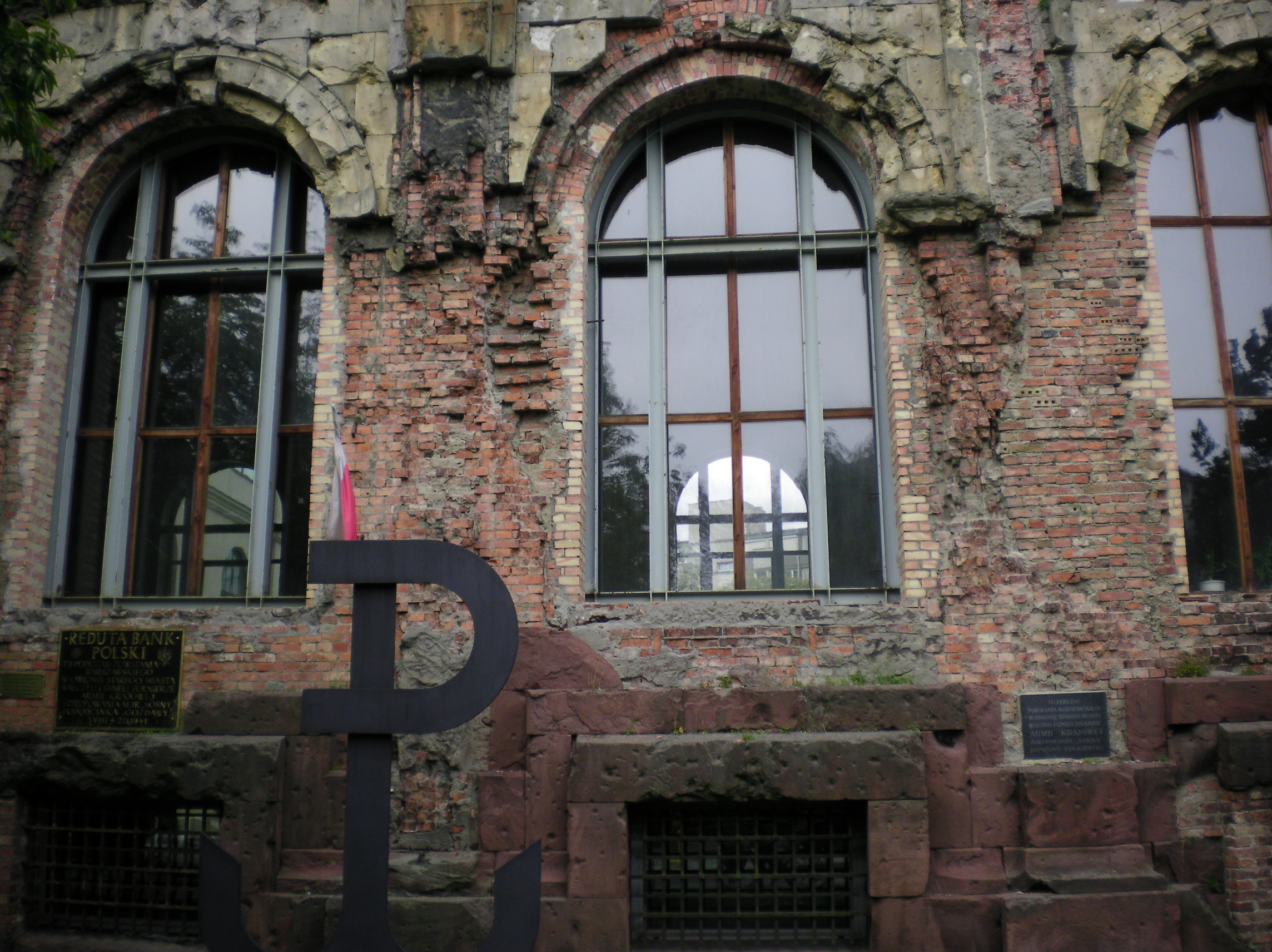
Warsaw, the capital was a busy, beautiful, new city. Almost all of the buildings (except for the famous Vodka distillery) were completely leveled by the Germans in the second world war. The “Old City” was actually one of the newest cities in the country built in the old style. Over 200,000 Poles lost their life in this city during the Warsaw uprising of 1942, and tens of thousands of Jews were imprisoned in the “Ghettos” before being transported to the concentration and death camps in the south. There are memorials all over the city, and walking through downtown it is hard to imagine that all this happened  no more than 70 years ago!

One of the few building to survive the war

One of the few building to survive the war

The corridor of the opera building, Warsaw

The corridor of the opera building, Warsaw


Touring the city mostly on foot, I found a local “milk bar” and enjoyed some good Polish food, toured Jewish district and spent the evening picking grapes in the community gardens.

Two types of Perogis (dumplings) Polish and Russia, followed by a deep fried pancake filled with sauerkraut

Two types of Perogis (dumplings) Polish and Russia, followed by a deep fried pancake filled with sauerkraut

I followed the Wisla river south of Warsaw and all the way to Krakow.  More Polish countryside, almost all identical to the north except for the occasional tobacco fields. People are beginning to burn wood, and in the early evenings most of the villages are covered in a smoky haze. On the second evening, in the middle of cooking some beautiful Russian pork Perogis my MSR whisperlite fuel pump failed. Cold half frozen dumplings for dinner with a raw bell pepper, I guess it could have been worse. Most of my suffering came from the fact that in another 7-10 minutes everything would have been cooked. I will not have a replacement fuel pump till Serbia, bread and cheese for dinner anyone?

SANYO DIGITAL CAMERA

The country roads were really quiet heading into Krakow, and I spent another beautiful evening camping in some corn fields. The city has a very laid back feel compared to Warsaw. The whole downtown can be explored on foot and pedestrian bridges and river paths make it convenient to miss rush hour. The city is built around the ancient castle and the old walls still surround the city. The city has a thriving nightlife and great late night street food, zapiekanka, a half loaf of French bread turned into a pizza.

Krakow Castle

Krakow Castle

Cathedral inside

Cathedral inside

SANYO DIGITAL CAMERA

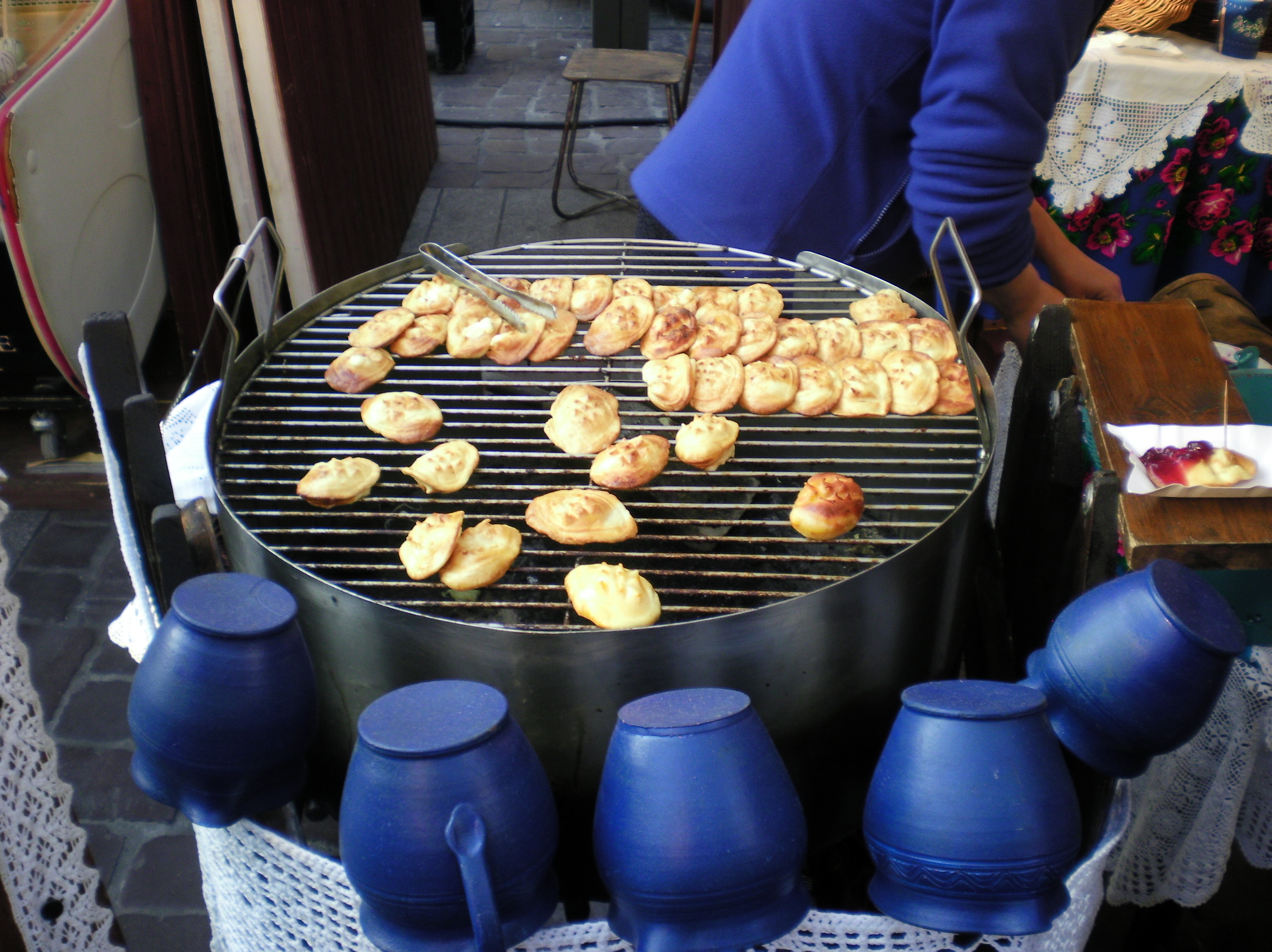
Fried Cheese, a mandatory digestive aide

Fried Cheese, a mandatory digestive aide

Locks of love, pedestrian bridge Krakow

Locks of love, pedestrian bridge Krakow


Yesterday I packed into a minibus, and took the 60 km trip to Auschwitz and Birkenau. There is really not too much to say except that anyone who desires to really understand what happened should make the trip to the small city of Oswiecim. Over 1,000,000 Jews were killed at the site of Auschwitz and the near by death camp Birkenau. The tour is pretty graphic and there is one room that has over 17,000 pounds of human hair! Just a fraction of what was recovered from the camp after the red army invaded Poland.

Aucshwitz

Auschwitz


I am heading out again today, and should be in Slovakia by tomorrow morning. I will finally cross some mountains. The roads have been flat since central Sweden and I am looking forward to the landscape change. I will write again as soon as I can but it may not be until Budapest.  I miss you all!

SANYO DIGITAL CAMERA

-J


On the road again….

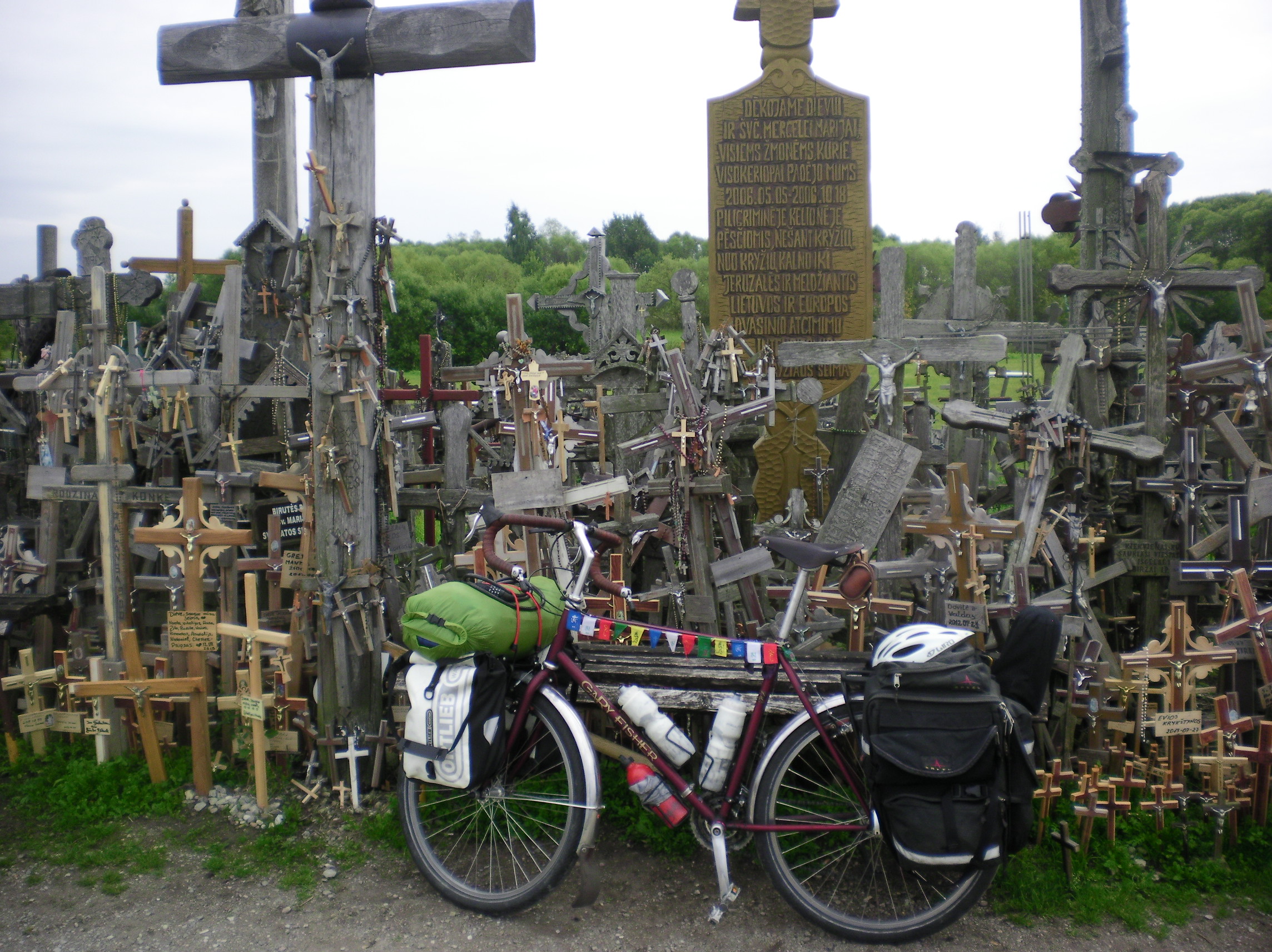
The famous hill of crosses, Sauili, Lithuania. The tap water tasted like sulfur!

The famous hill of crosses, Sauili, Lithuania. The tap water tasted like sulfur!

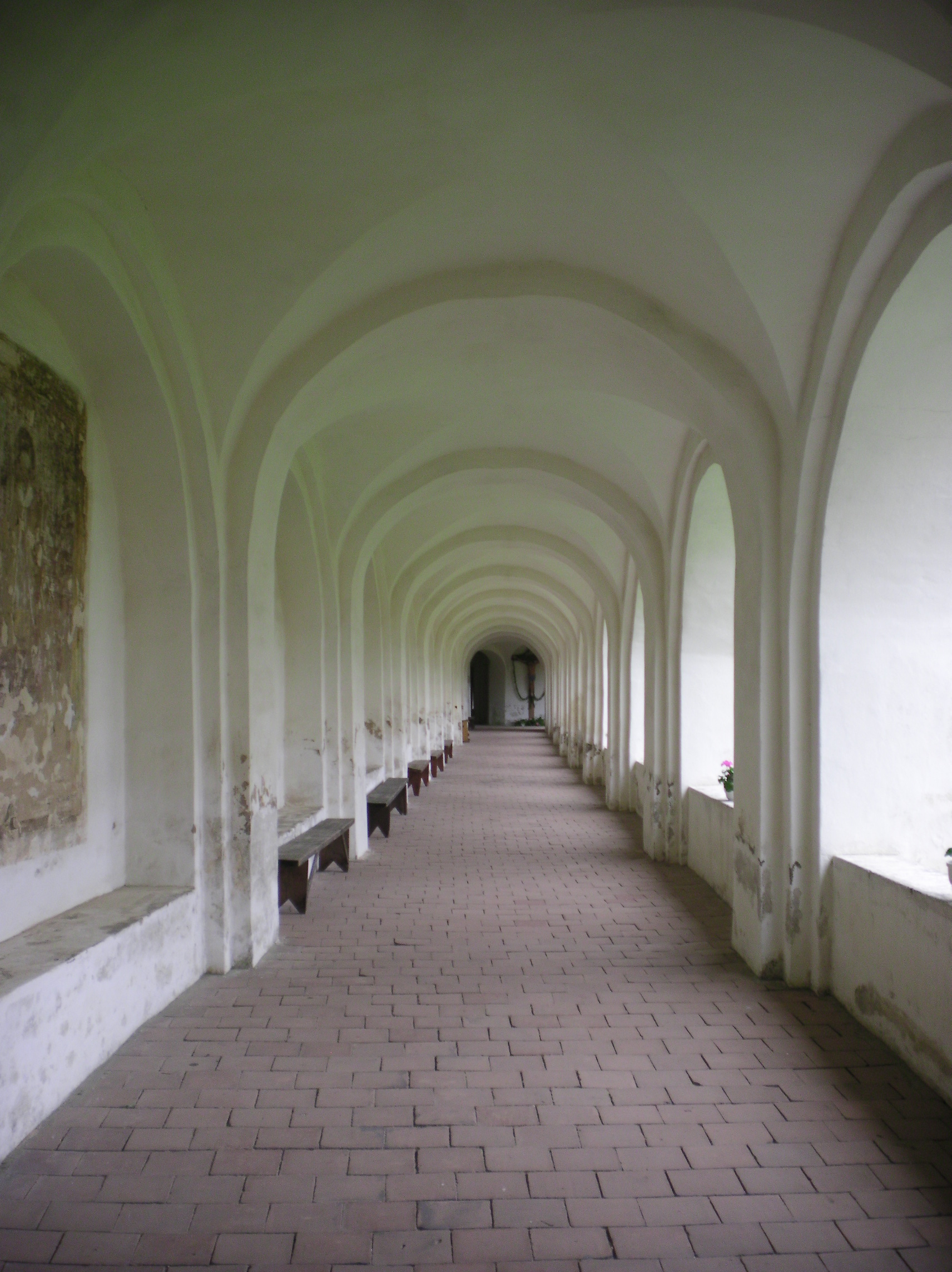
Long corridors of the Catholic monastery in Tytuvenai. There were speakers at the end of each hall that played personal prayers in Lithuanian

Long corridors of the Catholic monastery in Tytuvenai. There were speakers at the end of each hall that played personal prayers in Lithuanian


The weather has been extremely wet since leaving Riga. I have camped in several swampy forests and I was glad to have a roof over my head in Kaunas, Lithuania. I am only a few km north of the Polish border and will be spending the night near some lakes viewed from the map. My tent has gotten worse and I have to build up a sleeping platform in order to avoid being soaked at night. However the countryside is beautiful and my infection is healing up rather nicely. If I am lucky my sleeping bag will stay dry and the rain will subside long enough for me to cook some pasta. Soon the weather will become nice again, I hope. Anyway, here’s to Poland!

Scenes from the art exhibit in Kaunas

Scenes from the art exhibit in Kaunas

SANYO DIGITAL CAMERASANYO DIGITAL CAMERA